
Winter Blooming of Hundreds of Plants in UK: A Visible Signal of Climate Breakdown
“Unseasonal flowering in the UK highlights the growing impact of climate change on ecosystems and agriculture”

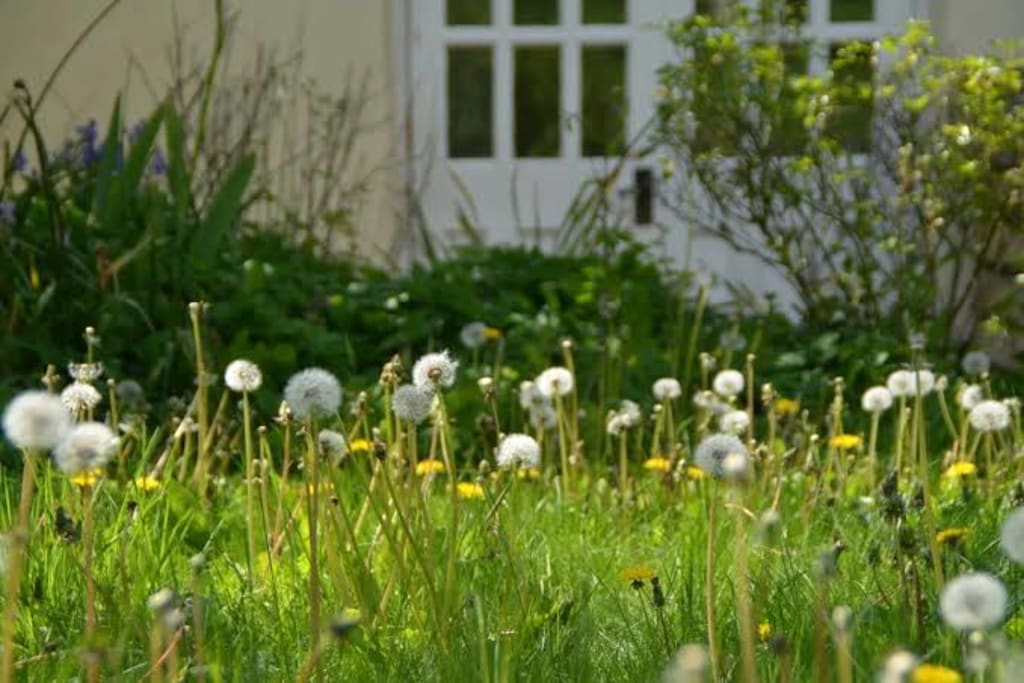
Across the United Kingdom, a startling natural phenomenon is capturing both public attention and scientific concern: hundreds of plant species are blooming during the winter months, months earlier than their usual spring or summer cycles. Experts warn that this unprecedented winter flowering is more than just a seasonal curiosity—it is a visible signal of climate breakdown.
Botanists and ecologists across the UK have observed early blooms in a variety of trees, shrubs, and flowers, including daffodils, primroses, and even certain species of cherry blossoms. In some urban parks and countryside areas, vibrant patches of yellow, pink, and white have emerged amidst frost and short daylight hours, creating an unusual spectacle for residents.
“This is an alarming phenomenon,” says Dr. Emily Harrington, a plant ecologist at the Royal Botanic Gardens, Kew. “Plants are responding to warmer winter temperatures and erratic weather patterns. These early blooms can disrupt natural cycles, affecting pollination, fruit production, and overall ecosystem health.”
The immediate cause of this winter blooming is a combination of rising average temperatures, milder winters, and unusually early periods of warmth. In December and January, many parts of the UK recorded temperatures significantly above historical averages, prompting plants to break dormancy earlier than usual. While these warmer spells may seem harmless or even beautiful to casual observers, scientists warn that they can have serious long-term consequences.
One key concern is the impact on pollinators. Bees and other insects rely on a predictable cycle of flowering to feed themselves and their colonies. When plants bloom too early, there may be insufficient pollinator activity to fertilize flowers, reducing fruit and seed production later in the year. This can disrupt local ecosystems and even threaten food supply chains for crops reliant on insect pollination.
Additionally, winter blooming leaves plants vulnerable to sudden cold snaps or frosts. Early blooms exposed to freezing temperatures can die off, damaging plants and reducing their productivity. “These mismatched cycles between climate and plant biology indicate stress on ecosystems,” notes Dr. Harrington. “We are seeing the consequences of climate variability manifesting in very visible ways.”
Urban areas have also felt the effects. Landscaped gardens, city parks, and roadside plantings that normally remain dormant during winter are now showing unexpected greenery and flowers. While this may delight residents and photographers, it signals a shift in seasonal norms that can affect horticulture and landscaping practices. Nurseries may struggle with premature growth, and gardeners may need to adjust care routines to prevent frost damage.
Environmental organizations are linking the winter flowering to broader climate trends, including global warming, increased carbon dioxide levels, and shifting jet streams that bring unseasonal warmth. Data from the UK Met Office indicate that the country’s winter temperatures have risen consistently over the last few decades, with the past five years recording some of the mildest winters on record.
“This is not an isolated event,” says Professor Richard Greene, a climate scientist at the University of Edinburgh. “Winter blooming is a symptom of systemic changes in our climate. It is a visible reminder that human-driven climate change is reshaping natural rhythms, often in unpredictable ways.”
The phenomenon also has social and economic implications. Early blooming can mislead the public into thinking spring has arrived, affecting travel, tourism, and even local celebrations traditionally tied to seasonal events. Agricultural sectors face challenges as fruit trees and other crops may bloom too early, exposing them to frost damage and potential financial losses.
Despite these concerns, scientists stress that such unusual events provide valuable data for studying climate impacts on ecosystems. Researchers are monitoring flowering patterns across the UK, using them as indicators of how plants adapt—or struggle—to cope with climate change. Citizen science initiatives are also encouraging residents to record unusual blooms, helping build a broader understanding of the effects on local biodiversity.
In conclusion, the winter blooming of hundreds of plants across the UK is more than an aesthetic curiosity—it is a visible warning of climate disruption. As unseasonal temperatures and erratic weather patterns continue, experts urge increased awareness and proactive measures to protect ecosystems, pollinators, and agricultural productivity. The vibrant winter blooms may delight the eye, but they also remind us that the natural rhythms we take for granted are being fundamentally altered by climate change.
About the Creator
Fiaz Ahmed Brohi
I am a passionate writer with a love for exploring and creating content on trending topics. Always curious, always sharing stories that engage and inspire.
Keep reading
More stories from Fiaz Ahmed Brohi and writers in Longevity and other communities.
People Who Stay Physically Fit as They Get Older, Even Without Exercising Much, Usually Adopt These 10 Daily Habits
Staying fit and healthy as we age is a challenge many people struggle with, especially when life gets busy and time for structured exercise becomes scarce. Yet, some older adults seem to maintain remarkable physical health without dedicating hours to the gym or strict workout routines. What sets these individuals apart isn’t just genetics—it’s their daily habits. Research and expert insights reveal that staying active and healthy in later years often comes down to simple, consistent lifestyle choices that anyone can adopt. Here are 10 daily habits commonly observed in people who remain fit and healthy as they age, even without heavy exercise: 1. They Keep Moving Throughout the Day While they may not hit the treadmill or lift weights regularly, these individuals rarely stay sedentary. Walking to the store, taking stairs instead of elevators, gardening, or even performing household chores keeps their muscles active and metabolism steady. Movement throughout the day often proves more effective for long-term fitness than a single intense workout session. 2. They Prioritize Quality Sleep Sleep is often underestimated, yet it’s essential for physical and mental health. Fit older adults ensure they get 7–9 hours of sleep each night, which helps with muscle recovery, hormone regulation, and maintaining a healthy weight. They also maintain consistent sleep schedules, even on weekends. 3. They Eat Mindfully Maintaining fitness isn’t just about calorie counting; it’s about the quality of food. Those who stay fit tend to eat nutrient-dense meals, rich in fruits, vegetables, whole grains, and lean proteins. They avoid processed foods and excess sugar and listen to their bodies, eating until they’re satisfied, not stuffed. 4. They Stay Hydrated Many people underestimate the power of water. Adequate hydration supports metabolism, keeps joints lubricated, aids digestion, and even improves cognitive function. Older adults who remain healthy typically consume water consistently throughout the day rather than drinking large amounts sporadically. 5. They Maintain Strong Social Connections Social interaction is surprisingly linked to physical health. Older adults with active social lives often remain more mobile and engaged, reducing the risk of depression, sedentary habits, and cognitive decline. Walking with friends, attending community events, or simply chatting with neighbors all contribute to overall wellness. 6. They Incorporate Small Strength Challenges Even without formal weight training, fit individuals engage in light resistance activities. Carrying groceries, climbing stairs, or doing simple bodyweight movements like squats or push-ups keeps muscles strong and bones healthy. Strength is key to maintaining mobility and reducing injury risk as we age. 7. They Practice Good Posture and Mobility Habits Remaining physically fit includes maintaining flexibility and balance. Daily stretching, yoga, or simple posture-focused exercises prevent stiffness, improve circulation, and help reduce falls. Many fit seniors incorporate these practices naturally into their routines without formal classes. 8. They Prioritize Mental Health Physical fitness is closely tied to mental well-being. People who remain healthy often manage stress effectively through meditation, hobbies, reading, or spending time outdoors. Lower stress levels reduce inflammation and support heart and immune health. 9. They Avoid Harmful Habits A common trait among fit older adults is their avoidance of smoking, excessive alcohol, and other detrimental habits. They understand that long-term health is cumulative and that small negative behaviors can offset years of otherwise healthy living. 10. They Keep a Sense of Purpose Finally, maintaining a reason to get up each day—whether volunteering, caring for family, or pursuing a hobby—encourages movement, mental stimulation, and social interaction. People with purpose tend to remain active and engaged physically, mentally, and socially. Why These Habits Work The beauty of these habits lies in their simplicity and consistency. You don’t need to follow an intense gym regimen or strict diet to maintain fitness. Instead, adopting small, sustainable routines over time—like taking stairs, walking daily, or preparing home-cooked meals—creates cumulative benefits. Research consistently shows that older adults who stay active through lifestyle habits rather than structured workouts often enjoy longer lifespans, lower disease risk, and better quality of life. Tips to Implement These Habits Start small: Incorporate short walks, light stretching, or mini strength exercises into your daily routine. Make meals colorful and balanced: Aim for variety with fruits, vegetables, proteins, and whole grains. Schedule social and physical activities: Treat them as essential appointments. Track progress: Journaling or using apps can motivate consistent movement and healthy eating. In conclusion, staying physically fit as you age doesn’t necessarily require hours at the gym. It’s about embedding movement, mindful eating, hydration, mental health, and purpose into your daily life. By adopting these ten habits, anyone can support long-term physical and mental well-being—even without dedicated exercise sessions. The secret lies in consistency, balance, and making health a lifestyle rather than a chore.
By Fiaz Ahmed Brohi18 days ago in Longevity
Day 4 of Quitting
If this is how sobriety feels, maybe it’s better to go through life a little buzzed… this, along with other hits like, I want to kill myself, I wish I was dead, and I’m going to throw myself off a bridge have been the only thoughts on rotation these past few days. I promise myself that if, in a month, I still feel like this (‘this’ meaning despondent, full of rage, and simultaneously numb) I can go back to smoking. Until mid-February though? Nicotine is off the table.
By sleepy drafts12 days ago in Longevity


Comments
There are no comments for this story
Be the first to respond and start the conversation.