
I Tried Living Without My Phone for 30 Days — The Results Changed Everything
Could you go a full month without the tiny glowing screen that rules your life? I did. And here’s what really happened.

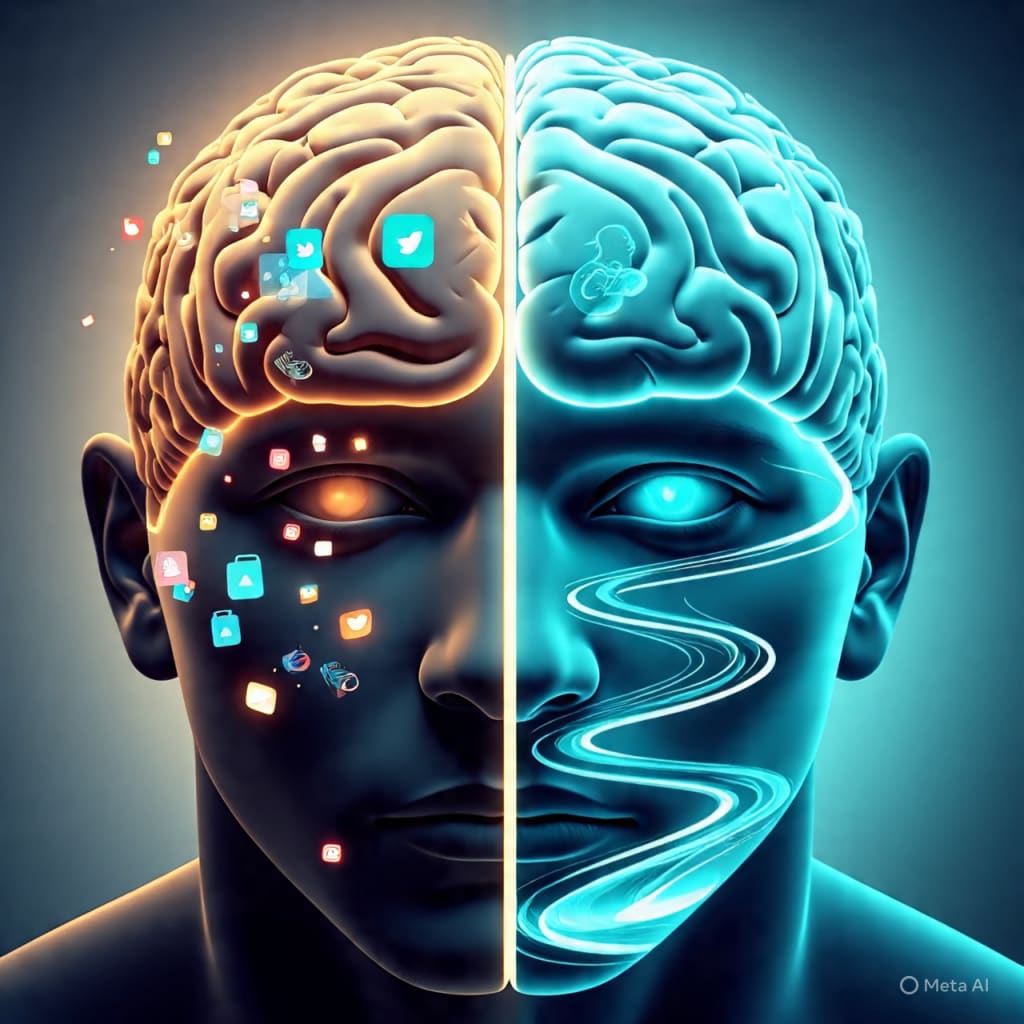
Day 1: The Panic Sets In
The first morning without my phone, I instinctively reached for it before I even opened my eyes. It wasn’t there. My brain fired a surge of anxiety—what if I missed a message? What if someone needed me?
By lunchtime, I was fidgeting like an addict without a fix. I kept tapping my empty pocket. My hand twitched toward a phone that wasn’t there. I realized just how hardwired my brain was for instant dopamine hits from notifications, social media, and endless scrolling.
Why I Did This Experiment
I didn’t start this challenge as some kind of Zen monk experiment. The truth is uglier: I was burned out. My average screen time was over 6 hours a day—almost 90 days a year staring at a phone. I was exhausted from the constant buzzing, news updates, and TikTok rabbit holes.
So I decided to attempt what most of us secretly fear: a 30-day digital detox. No smartphone. No social media. Just me, my thoughts, and a simple flip phone for emergencies.
Week 1: Withdrawal Symptoms Are Real
People laugh when I say I went through “withdrawal,” but that’s exactly what it felt like.
- I got phantom vibrations in my pocket.
- I reached for my phone over 70 times a day out of sheer habit.
- I felt disconnected from the world, like I had disappeared.
Even basic things became awkward. I couldn’t Google directions. I couldn’t check the weather. At dinner, instead of hiding behind a glowing screen, I had to actually… talk.
It was uncomfortable, raw, and honestly, a little terrifying.
Week 2: The Fog Lifts
Around day 10, something shifted. My b
slowed down. The constant buzzing in my head began to fade.
I slept deeper than I had in years.
Conversations felt real again—without the urge to “just check something.”
I rediscovered old hobbies. I read three books in a single week.
Most surprisingly, I stopped feeling like I was missing out. Instead, I felt… free.
What the Science Says
I wasn’t imagining it. Studies show that heavy smartphone use:
- Raises anxiety and depression levels (University of Arizona, 2022).
- Disrupts sleep cycles by flooding your brain with blue light.
- Can even shrink gray matter in areas related to focus and memory (Journal of Behavioral Addictions, 2023).
My 30-day detox wasn’t just about willpower—it was literally rewiring my brain.
Week 3: The Reconnection
Without my phone, I noticed things I had been blind to for years.
- On walks, I saw details I’d always missed—like the way the late summer sun made the leaves glow.
- At dinner, I heard every word instead of nodding while secretly scrolling.
- My creativity exploded. I started journaling, sketching, and even planning a small side project.
The biggest change? I felt present.
Week 4: The Breakthrough
By the final week, I no longer craved my phone. In fact, I dreaded turning it back on.
I'mLife had slowed down, but not in a boring way—more like it had gained depth. My brain felt sharper. My stress levels had plummeted.
I had built new habits:
- Reading every night instead of doomscrolling.
- Taking walks without headphones.
- Writing instead of swiping.
Day 30: The Moment of Truth
On the last day, I powered up my smartphone. Within seconds, 87 notifications bombarded my screen—emails, group chats, random app alerts. My heart rate spiked.
For the first time, I realized it wasn’t me who had been addicted to my phone. It was my phone that had been addicted to me.
What I Learned
1. Most notifications are fake emergencies. 95% of what buzzes your phone isn’t urgent.
2. Your brain is calmer without constant pings. I had fewer headaches and slept better.
3. Real life feels richer. Moments are sharper, conversations deeper, creativity freer.
Should You Try It?
You don’t need to quit for 30 days to feel the benefits. Even a 7-day digital detox can transform your focus, sleep, and mood.
Here’s how to start:
- Turn off all non-essential notifications.
- Delete one addictive app for a week.
- Try leaving your phone at home for short walks.
- Replace screen time with a hobby you loved as a kid.
The Takeaway
Going without my phone for 30 days didn’t just change my habits—it changed my mindset. I realized that I don’t need to be available 24/7. I don’t need constant entertainment.
What I need is presence—and no app in the world can replace that.
So ask yourself: could you do it? Could you live without your phone for 7, 14, or even 30 days? The results might just shock you too.
About the Creator
The Narrative Hub
Your daily destination for the most compelling stories and insightful articles. At The Narrative Hub, we bring you trending topics, human experiences, and thought-provoking narratives—all in one place.
Keep reading
More stories from The Narrative Hub and writers in Longevity and other communities.
The AI Life Coach: How Artificial Intelligence is Quietly Transforming Mental Health and Self-Care
A New Kind of Therapist Five years ago, the idea of telling your deepest fears to a robot would have sounded absurd. Today, it’s becoming normal. From AI therapy chatbots to personalized self-care apps, millions of people worldwide are turning to artificial intelligence for mental health support.
By The Narrative Hub7 months ago in Longevity
Why Nutrition During Pregnancy Matters More Than You Think
Pregnancy is one of the most important stages in a woman’s life, not only emotionally but also nutritionally. During these nine months, the body works continuously to support the growth and development of a new life. Because of this, nutrition plays a crucial role in ensuring both the mother and the baby remain healthy.
By Being Inquisitive4 days ago in Longevity
Herbal Tea: Natural Drink for Relaxation and Better Health
Introduction: Herbal tea is a natural beverage made from dried herbs, flowers, fruits, or spices. Unlike traditional teas such as black or green tea, herbal tea usually does not come from the Camellia sinensis plant.
By Health Tips2 days ago in Longevity


Comments
There are no comments for this story
Be the first to respond and start the conversation.