
Human Design vs. Astrology: Understanding the Key Differences
Exploring the Distinctive Frameworks for Self-Discovery and Personal Growth!!!

In recent years, the interest in personal development and self-discovery has surged, leading many to explore various systems that promise insights into our personalities and life paths. Two popular systems that have gained traction are Human Design and Astrology. While both offer profound insights into our nature and behavior, they are fundamentally different in their approach and application. This blog aims to delve into the intricacies of Human Design and Astrology, highlighting their unique characteristics and key differences.
What is Astrology?
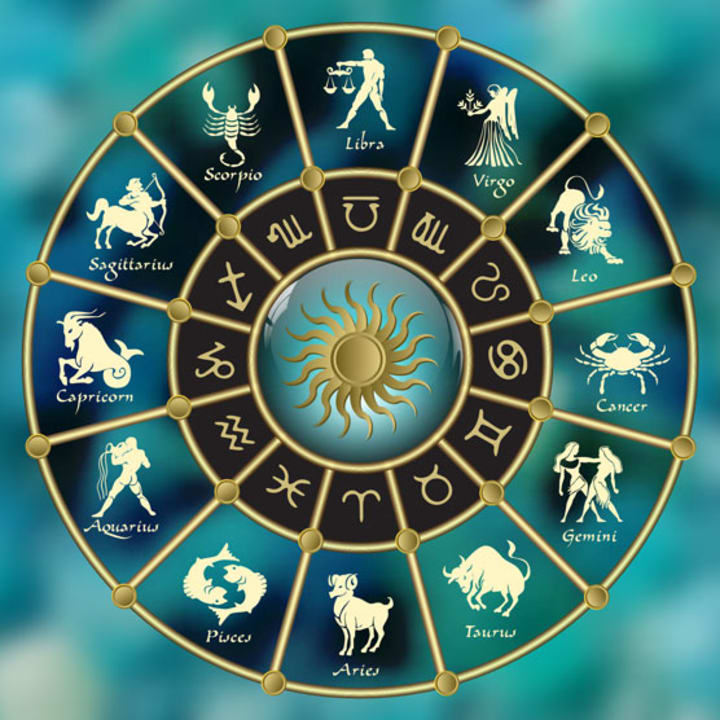
Astrology is an ancient practice that dates back thousands of years, rooted in the belief that the positions and movements of celestial bodies—such as planets and stars—affect human affairs and natural phenomena. At its core, astrology is based on the idea that the alignment of these celestial bodies at the time of our birth can provide insights into our personalities, relationships, and life events.
Astrologers create a natal chart, also known as a horoscope, which maps the positions of celestial bodies in relation to the Earth at the time of a person's birth. This chart reveals key aspects, such as:
Sun Sign: Represents core personality traits.
Moon Sign: Reflects emotional landscape and inner self.
Rising Sign (Ascendant): Indicates outward behavior and first impressions.
Houses: Areas of life affected by planetary influences.
Aspects: Angles between planets that denote relationships and influences.
Astrology provides a rich tapestry of information, allowing individuals to understand themselves and their place in the universe better.
What is Human Design?
Human Design, developed in 1987 by Ra Uru Hu (born Robert Alan Krakower), is a modern synthesis of several ancient and contemporary systems, including Astrology, the I Ching, the Kabbalah, the Hindu-Brahmin chakra system, and quantum physics. It combines these diverse elements to create a comprehensive system that helps individuals understand their unique energy types and decision-making strategies.
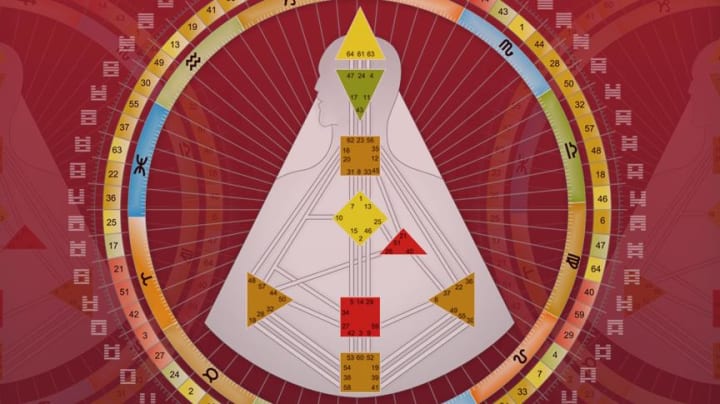
At the heart of Human Design is the Bodygraph, a visual representation of a person's energetic makeup, which is calculated using the birth date, time, and location. The Bodygraph consists of:
Energy Centers: Corresponding to chakras, these centers can be defined (active) or undefined (inactive), indicating how individuals process energy.
Types: There are four primary energy types—Manifestor, Generator, Projector, and Reflector—each with unique strategies for interaction and decision-making.
Profile: A combination of numbers that describes one’s personality and life themes.
Gates and Channels: Elements derived from the I Ching that represent specific traits and connections between energy centers.
Human Design is less about predicting fate and more about understanding one's innate potential and living authentically according to one’s design.
Key Differences Between Human Design and Astrology
1. Foundations and Origins
Astrology is an ancient practice with roots in various cultures, relying heavily on the movements of celestial bodies. In contrast, Human Design is a relatively new system that combines elements from multiple traditions, focusing on the interplay of energy dynamics and individual potential.
2. Methodology and Tools
Astrology uses the natal chart to analyze the positions of planets and signs, providing insights based on celestial influences. The chart offers a detailed view of an individual's personality, tendencies, and potential life events.
Human Design employs the Bodygraph, which focuses on energy centers, types, and strategies for decision-making. It emphasizes the importance of understanding how to interact with the world based on one's energetic makeup rather than relying solely on external influences.
3. Focus on Individuality
While both systems aim to provide self-understanding, their approaches to individuality differ significantly. Astrology often focuses on traits associated with planetary positions and their impacts, suggesting general tendencies based on one’s Sun, Moon, and Rising signs.
Human Design, however, emphasizes the uniqueness of each individual’s energy configuration. It encourages personal experimentation and living according to one's design, fostering a deeper connection to one’s authentic self rather than conforming to general archetypes.
4. Predictive vs. Experiential
Astrology has a predictive element, often used to forecast trends, events, and challenges based on planetary transits and progressions. Many people consult astrologers for guidance on future events, relationships, and career decisions.
Human Design is more experiential, focusing on how individuals can make choices aligned with their energy types. It encourages self-discovery through experimentation, allowing individuals to navigate life with greater awareness of their inherent traits and strategies.
5. Practical Application
Astrology often provides insights for reflection, personal growth, and navigating life events. Many individuals use it for guidance in relationships, career choices, and life transitions.
Human Design, on the other hand, offers practical tools for daily living, encouraging people to make decisions based on their energy type and strategy. This leads to more authentic interactions and choices that align with one's true self.
Conclusion
Both Human Design and Astrology offer valuable frameworks for self-discovery and personal growth, yet they operate from different foundational principles and methodologies. While Astrology draws from the cosmos, revealing the influence of celestial bodies on human behavior, Human Design focuses on the intricate web of energy dynamics that shape our unique identities.
Choosing between the two depends on your interests and what you seek to understand. Whether you resonate more with the cosmic influences of Astrology or the energy mechanics of Human Design, both systems can offer profound insights into your journey of self-discovery and personal development. Embracing either—or both—can lead to a richer understanding of yourself and your place in the world.
Thank you 🙏
Future of Resilience
About the Creator
Future of Resilience
I enjoy writing book and product review, relationship and parenting blogs. I hope you enjoy my writing. Happy Reading!
Keep reading
More stories from Future of Resilience and writers in Longevity and other communities.
Discovering Natural Hydrogen Water: Locations and Health Benefits
In the ever-evolving world of health and wellness, one beverage has captured the attention of enthusiasts and researchers alike: natural hydrogen water. This unique drink, infused with molecular hydrogen (H₂), is celebrated not only for its refreshing taste but also for its potential health benefits. But where can you find natural hydrogen water, and why should you consider adding it to your hydration routine? Let’s explore the locations around the globe that produce natural hydrogen water and the science behind its health advantages.
By Future of Resilience about a year ago in Longevity
UK Sees Highest Temperature of the Year, Snow and Blood Rain in Last 48 Hours
From warmest day so far to Saharan dust showers and hill snow — Britain’s weather has swung dramatically this week. In a remarkable turn of meteorological events, the United Kingdom has experienced an extraordinary mix of weather over the past 48 hours — recording its highest temperature of the year, followed by snowfall in parts of the north and a rare “blood rain” event linked to Saharan dust. These dramatic swings illustrate the UK’s characteristic weather variability and underline the influence of dynamic atmospheric patterns across Europe. Warmest Day of 2026 So Far On Thursday, parts of England basked in unusually mild conditions for early March, with the Met Office confirming a high of 19.2 °C in Northolt, west London — the warmest day recorded in the UK so far this year. This exceeded the previous 2026 peak of 18.7 °C at Kew Gardens earlier in the week and briefly made British temperatures warmer than those in Barcelona. Forecasters attributed the warmth to a surge of mild southerly air drawn up from southern Europe and North Africa. These warm air currents not only boosted temperatures but also transported fine dust particles from the Sahara Desert into the British atmosphere — setting the stage for the unusual rain events that followed. The Saharan Dust Effect and “Blood Rain” As the warm, dusty air crossed north over the Atlantic and Europe, it brought with it a visible cloud of Saharan dust. When this dust mixes with rain falling through the atmosphere, the resulting droplets can carry red or orange‑tinted particles — a phenomenon colloquially known as “blood rain.” While the term suggests something sinister, scientists emphasise that the event is purely natural. The colour comes from mineral dust in the rain droplets, not from any harmful substance. The dust, lifted from the Sahara Desert and carried thousands of kilometres, can settle as a reddish film on cars, windows and outdoor surfaces after rain. Weather services noted that while the dust concentration was not high enough to make the rain itself look vividly red as it fell, the residue left behind after showers was noticeable across parts of England and Wales. These dust‑enhanced skies also created striking sunsets and sunrises for many observers. Snow in the Hills: A Chill Returns Just as residents were putting away winter coats after the warm spell, colder air pushed back into the UK from the north. This led to snowfall over high ground in parts of northern England and southern Scotland, including areas of the Yorkshire Dales and near Edinburgh. The rapid shift in conditions — from near‑20 °C sunshine to wintry precipitation — highlighted the UK’s unpredictable transitional weather between seasons. Local authorities in these rural areas reported icy road conditions and some vehicles becoming stuck on snowy roads, prompting police and emergency services to advise caution over the weekend. Broader Weather Trends and Outlook Experts say these rapid temperature swings are consistent with the UK’s maritime climate and the interplay of high and low pressure systems during early spring. Meteorologists also point out that February 2026 was unusually mild and dull overall, with southern England registering average winter temperatures among its warmest on record. Despite the warm peak, forecasters predict a cooler, wetter and windier period ahead, as Atlantic weather systems return. This means more frequent showers, gusty winds and temperatures falling back toward seasonal norms in the coming week. Public Reaction and Preparations Across social media, many Britons shared photos of the vivid orange‑tinged skies and dusty windshields, marveling at the strange mix of weather phenomena experienced in such a short span of time. Others were reminded that, despite signs of spring, the UK can still deliver winter chill without warning. The Met Office continues to advise people to stay updated with local forecasts — especially if planning outdoor activities or travel in areas where sudden snow or rain might affect conditions.
By Fiaz Ahmed 7 days ago in Longevity
Pandora’s Burden
“My brother warned me to not accept gifts from the one who commissioned you,” said Epimetheus to the woman clad in silvery raiments standing at the entrance to the temple. Her silver tiara and the silver rings on her fingers and toes glinted in the firelight cast by torches set on either side of the doorway. Lingering in the shadows, beyond the reach of the flames as she was, he could not tell what she held in her hands. At first what appeared to be a box was perhaps a funerary urn, or maybe merely an apple.
By J. Otis Haasabout 23 hours ago in Fiction




Comments (1)
I always thought these two could go together. The body, mind and spirit. Interesting and good work.