
How to Support Digestion After 30: Real Tips Backed by Science (and Bacteria)
A practical guide to restoring gut balance, reducing bloating, and improving digestion as your body evolves—powered by real habits and probiotic science.

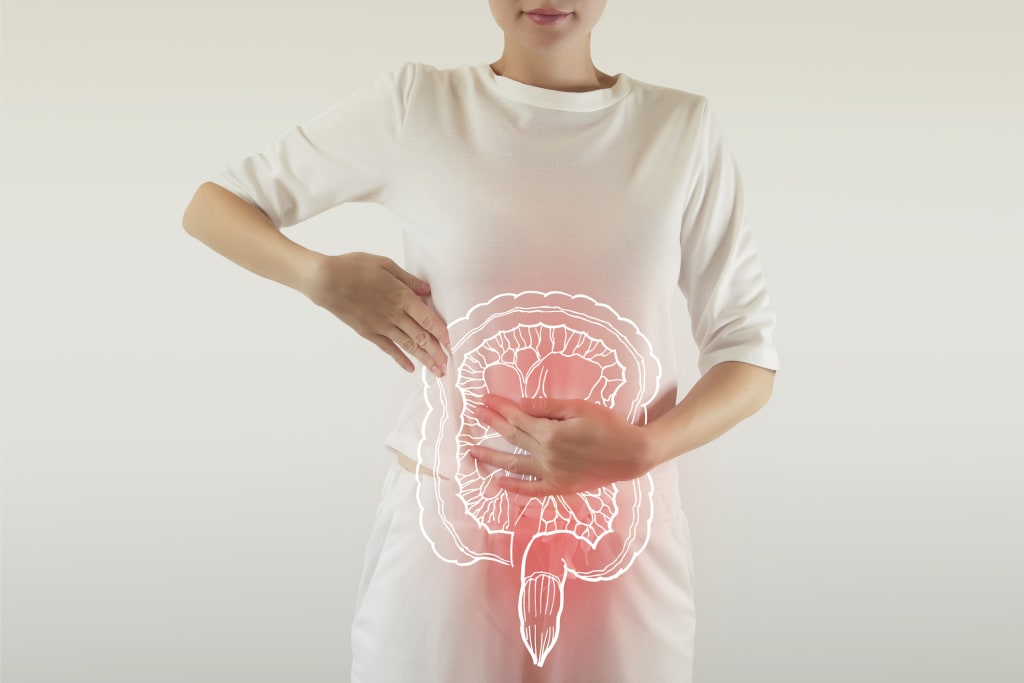
You hit your 30s and suddenly, your digestion doesn’t feel the same. Foods you used to love now cause bloating. You feel fuller faster, deal with unexpected gas, or start skipping your morning coffee because it “doesn’t sit right” anymore.
Here’s the thing: your digestive system changes with age, and after 30, these changes become more noticeable.
This guide breaks down what’s really going on with your gut as you get older and shares real, science-backed (and bacteria-approved) tips to help you support digestion after 30—naturally, effectively, and without giving up your favorite foods.
Why Digestion Changes After 30
Once you cross into your 30s, a few things start happening under the hood that directly impact digestion:
1. Stomach Acid Starts to Decrease
Stomach acid (hydrochloric acid or HCl) helps break down food—especially protein. As you age, acid production drops, making it harder to digest meals properly.
2. Enzyme Production Slows
Digestive enzymes help break down carbs, fats, and proteins. Reduced enzyme levels can lead to indigestion, bloating, and gas.
3. Hormonal Changes Begin
Women start experiencing shifts in estrogen and progesterone, which can impact gut motility, mood, and inflammation.
4. The Gut Microbiome Evolves
The balance of good vs. bad bacteria can shift over time due to stress, antibiotics, diet, or hormone changes—leading to dysbiosis (gut imbalance).
Symptoms That Suggest Your Digestion Needs Support
You don’t need to have a serious gut condition to feel “off.” Some signs your digestion could use a boost include:
• Bloating, especially after meals
• Gas or burping
• Constipation or irregularity
• Acid reflux
• Feeling full quickly
• Fatigue after eating
These are all signals that your body wants more digestive support.
1. Eat More Mindfully (and Slowly)
In our busy lives, we often eat while distracted—scrolling, working, or on the go. But digestion starts in the brain and mouth.
Why it works:
• Chewing stimulates digestive enzymes
• Mindful eating triggers the parasympathetic “rest and digest” response
Tips:
• Sit down and chew each bite at least 20–30 times
• Avoid multitasking while eating
• Take 5 deep breaths before your first bite
2. Support Stomach Acid with Bitter Foods or ACV
Low stomach acid means food isn’t broken down well—especially protein—leading to bloating, reflux, and even nutrient deficiencies.
Natural ways to increase HCl:
• Drink warm water with lemon or a teaspoon of apple cider vinegar 10–20 minutes before meals
• Include bitter greens like arugula, kale, and dandelion
• Avoid drinking lots of water during meals (dilutes stomach acid)
Note: If you suspect ulcers or take acid-blocking meds, check with a healthcare provider before trying ACV.
3. Add Digestive Enzymes with Heavier Meals
If you feel sluggish or bloated after meals, enzyme support can help.
What to look for:
• Protease (for protein)
• Lipase (for fat)
• Amylase (for carbs)
• Lactase (for dairy)
Take enzymes right before or during meals. They’re especially helpful if you’re eating out, trying new foods, or recovering from gut issues.
4. Feed Your Good Bacteria
Your gut is home to trillions of bacteria that help digest food, produce vitamins, and regulate your immune system.
After 30, gut diversity tends to drop. You want to feed the good guys and keep the bad ones in check.
Do this with:
• Prebiotic foods: garlic, onions, oats, leeks, bananas, asparagus
• Probiotic foods: yogurt, kefir, sauerkraut, kimchi, miso
• Fermented beverages: kombucha, apple cider vinegar tonics
And if your gut has been out of balance, consider taking a daily probiotic.
A helpful guide to the top probiotic supplements for bloating, gas, and constipation (especially for women over 30):https://www.globenewswire.com/news-release/2025/05/11/3078699/0/en/Best-Probiotic-for-Bloating-Gas-and-Constipation-Top-Probiotic-Supplements-for-Gut-Health-to-Reduce-Bloating-Indigestion-Flatulence-YourBiology.html
YourBiology is one standout option that supports digestion, mood, and hormone balance with 4 targeted strains.
5. Manage Stress Like Your Digestion Depends on It—Because It Does
The gut and brain are deeply connected. Chronic stress impacts motility, increases inflammation, and changes your microbiome.
Try these stress-lowering habits:
• Daily walks (even 10–15 minutes)
• Morning journaling or breathwork
• Adaptogens like ashwagandha or rhodiola (talk to your doctor first)
• Setting boundaries with tech and work
Calm gut = better digestion = flatter belly and more energy.
6. Drink the Right Fluids (At the Right Times)
Hydration is crucial, but drinking a big glass of cold water with meals? Not ideal.
What helps:
• Start the day with warm water and lemon
• Drink herbal teas between meals (peppermint, ginger, fennel)
• Avoid chugging water during meals to keep stomach acid strong
7. Get Regular—Literally
Constipation becomes more common with age due to slowed transit time and lifestyle habits.
For healthy, daily bowel movements:
• Increase fiber gradually (25–30g/day)
• Stay active—move after meals
• Add magnesium citrate at night if needed
You should be going at least once per day, and it should feel complete—not forced.
8. Check for Hidden Food Sensitivities
As we age, some foods we used to digest easily can become triggers.
Signs:
• Bloating after dairy, wheat, or fried foods
• Fatigue or brain fog after meals
• Skin flare-ups or headaches
Try:
• An elimination diet for 2–3 weeks (remove gluten, dairy, or processed sugar)
• Reintroduce foods one at a time to spot culprits
Food sensitivity is not the same as allergy—but it still impacts digestion and energy.
9. Supplement Smartly—Don’t Go Overboard
If you want to support digestion post-30, consider stacking:
• Probiotics (daily)
• Digestive enzymes (as needed with meals)
• Magnesium (for motility and stress)
• L-glutamine (repairs gut lining if you’ve had leaky gut or IBS)
Again, start simple. Supplements are tools—not crutches.
Final Thoughts: Digestion After 30 Isn’t Broken—It Just Needs Support
Feeling gassy, bloated, or “off” after meals doesn’t mean you’ve lost your gut mojo. It just means your body is evolving—and asking for more intentional support.
By slowing down, choosing nourishing foods, and strengthening your microbiome, you can:
• Improve digestion
• Boost energy
• Flatten your belly
• Support mental clarity and hormonal balance
Your gut is the foundation of your health—especially after 30.
So listen to your body, be patient, and let good bacteria (and habits) do their work.
You deserve to feel light, energized, and comfortable in your own skin—at any age. Let your gut lead the way.
About the Creator
Amber Matson
Amber Matson is a wellness writer specializing in supplements, longevity, and cognitive health. She simplifies complex science to help readers make informed, healthy lifestyle choices.
Keep reading
More stories from Amber Matson and writers in Longevity and other communities.
Neuroprotection and Performance: The Emerging Role of NAD+ and Nootropic Stacks
In today’s fast-paced world, maintaining cognitive health and optimizing brain performance isn’t just a luxury—it’s a necessity. With more people juggling mentally demanding work, long hours, and chronic stress, the search for tools that support neuroprotection and mental performance has never been more urgent.
By Amber Matson8 months ago in Longevity
Day 4 of Quitting
If this is how sobriety feels, maybe it’s better to go through life a little buzzed… this, along with other hits like, I want to kill myself, I wish I was dead, and I’m going to throw myself off a bridge have been the only thoughts on rotation these past few days. I promise myself that if, in a month, I still feel like this (‘this’ meaning despondent, full of rage, and simultaneously numb) I can go back to smoking. Until mid-February though? Nicotine is off the table.
By sleepy drafts13 days ago in Longevity
Baby Monitor Market Trends & Summary: How Smart Parenting Tech Is Shaping the Future of Child Safety
Introduction: A New Era of Digital Parenting Parenting in the modern world looks very different from what it did even a decade ago. As more parents balance demanding careers with family life, technology has stepped in as a silent partner—helping caregivers stay connected, informed, and reassured. Among the most trusted of these innovations is the baby monitor, a device that has evolved from simple audio tools into intelligent, AI-powered guardians.
By Marthan Sirabout 4 hours ago in Longevity



Comments
There are no comments for this story
Be the first to respond and start the conversation.