
How to Prevent From Heart Attack
Say good bye to heart attack

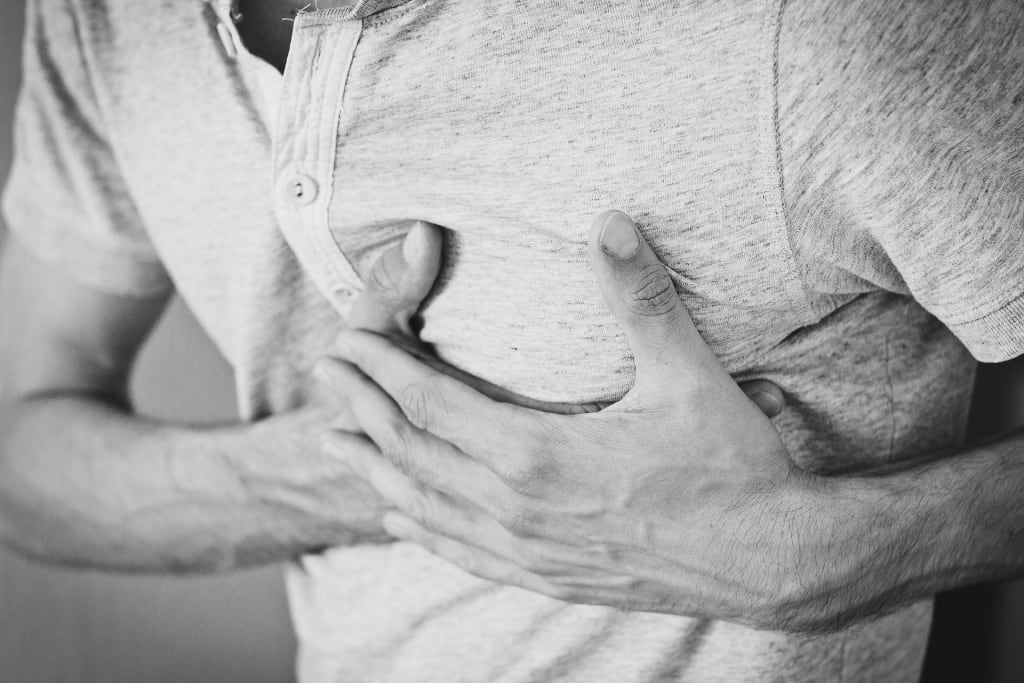
Heart Attack: An Overview
A heart attack, also known as a myocardial infarction, is a medical emergency in which the blood supply to a part of the heart muscle is blocked, leading to damage or death of the heart muscle cells.
1) Causes of Heart Attack
Coronary Artery Disease
Coronary artery disease is the most common cause of heart attack. It occurs when the blood vessels that supply blood to the heart become narrow or blocked, reducing the flow of oxygen-rich blood to the heart.
-Smoking
Smoking is a major risk factor for heart attack. The chemicals in cigarette smoke damage the inner lining of the blood vessels, causing them to narrow and restrict blood flow to the heart.
-High Blood Pressure
High blood pressure is another major risk factor for heart attack. It puts extra strain on the heart and blood vessels, causing damage over time and increasing the risk of heart attack.

-High Cholesterol
High cholesterol levels can lead to the buildup of fatty deposits in the blood vessels, increasing the risk of heart attack.
-Diabetes
People with diabetes are at an increased risk of heart attack. High blood sugar levels can damage the blood vessels and increase the risk of heart disease.
2) Preventing Heart Attack:
* Lifestyle Changes:
-Quit smoking.
-Maintain a healthy diet low in saturated and trans fats.
-Regular physical activity.
-Maintain a healthy weight.
-Limit alcohol consumption.
* Medical Treatment:
-Control and manage high blood pressure, cholesterol, and diabetes through medication if necessary.
-Aspirin therapy under medical supervision.
* Regular Check-Ups:
-Regular visits to the doctor for monitoring and early detection of heart disease
-Get regular health screenings and assessments, such as cholesterol tests and electrocardiograms (ECGs).
* Stress Management:
-Practice stress reducing techniques like deep breathing, yoga, and meditation.
-Get enough sleep and engage in relaxation activities.
* Avoid Risk Factors:
-Avoid exposure to second
-hand smoke
-Limit air pollution exposure
By adopting these preventive measures, individuals can reduce their risk of heart attack and improve their overall heart health. It is important to work closely with a healthcare provider to determine the best approach for individual needs.
3) Breathing Practices for Heart Attack
- Slow and Deep Breathing Taking slow, deep breaths can help reduce stress and lower blood pressure, which can help prevent a heart attack.
- Controlled Breathing Controlled breathing, such as the 4-7-8 breathing technique, can help slow down the heart rate and calm the mind, reducing the risk of heart attack.
- Yoga and Meditation Yoga and meditation can help reduce stress and promote relaxation, which can help lower the risk of heart attack. These practices can also improve overall heart health by reducing blood pressure and improving circulation.
4) Suggestions for Heart Patients :
- Follow a healthy lifestyle:
Maintain a healthy diet low in saturated and trans fats, engage in regular physical activity, maintain a healthy weight, and limit alcohol consumption.
- Take medication as prescribed:
Follow the medication regimen as directed by a healthcare provider and do not skip or alter doses without consulting a doctor.
- Monitor symptoms:
Be aware of any chest pain, shortness of breath, or irregular heartbeats and report these symptoms to a doctor immediately.
- Manage stress:
Practice stress-reducing techniques like deep breathing, yoga, and meditation, and get enough sleep to reduce stress levels.
- Avoid risk factors:
Avoid exposure to second-hand smoke and limit air pollution exposure.
- Regular check-ups:
Regular visits to the doctor for monitoring and early detection of heart disease and to assess the effectiveness of medication.
- Seek medical attention immediately in case of an emergency:
If chest pain or other symptoms of a heart attack occur, seek medical attention immediately.
By following these guidelines, heart patients can improve their overall heart health and reduce the risk of heart attack. It is important to work closely with a healthcare provider to determine the best approach for individual needs.
5) Quick Relief During a Heart Attack:
* Call emergency services:
Dial emergency services or the local emergency number immediately and seek medical attention.
* Chew aspirin:
If advised by a doctor, chew a low-dose aspirin as it can help dissolve blood clots and improve blood flow to the heart.
* Take nitroglycerin:
If prescribed by a doctor, take a nitroglycerin tablet as directed to help widen blood vessels and improve blood flow to the heart.
* Practice deep breathing:
Slow and deep breathing can help slow the heart rate and reduce anxiety and stress.
* Loosen tight clothing:
If clothing is tight around the chest or neck, loosen it to help improve breathing and reduce discomfort.
* Stay calm:
Try to stay calm and relaxed, as stress and anxiety can make symptoms worse.
It is important to seek medical attention as soon as possible during a heart attack and to follow the advice of healthcare providers. If a heart attack is suspected, do not drive yourself to the hospital and do not delay seeking medical attention.
6) Providing First Aid for a Heart Attack in a Stranger :
* Call emergency services -
Dial emergency services or the local emergency number immediately and seek medical attention.
* Check for responsiveness -
If the person is unconscious, check for responsiveness by gently tapping their shoulder and asking if they are okay.
* Start CPR -

If the person is not breathing or has no pulse, start CPR by pushing down hard and fast on the center of the chest.
* Keep the person comfortable -
Keep the person comfortable by loosening tight clothing, supporting their head and neck, and positioning them on their back with their feet elevated.
* Wait for medical help -
Continue providing care until medical professionals arrive. Try to remain calm and reassure the person that help is on the way.
In conclusion, a heart attack is a serious medical emergency that can be caused by several factors, including coronary artery disease, smoking, high blood pressure, high cholesterol, and diabetes. By making lifestyle changes, receiving medical treatment, and engaging in regular check-ups and breathing practices, individuals can help reduce their risk of heart attack and improve their overall heart health.
About the Creator
Keep reading
More stories from Pro Writer and writers in Longevity and other communities.
10 ways to connect Lord shiva
Lord Shiva, also known as Mahadev or the "Great God", is one of the most revered and worshipped deities in Hinduism. He is known for his various attributes such as his benevolence, power, and knowledge. Connecting with Lord Shiva is said to bring peace, harmony, and enlightenment in one's life. In this article, we will discuss ten ways to connect with Lord Shiva and deepen our spiritual journey.
By Pro Writer3 years ago in Longevity
Best Artwork Styles for Contemporary Living Spaces
Contemporary living spaces are defined by simplicity, clean lines, and intentional design choices. Unlike traditional interiors that rely heavily on ornamentation, contemporary homes often embrace openness, neutral palettes, and functional layouts. Because of this minimal foundation, artwork plays an essential role in adding personality, warmth, and visual depth.
By CEO A&S Developersabout 13 hours ago in Longevity




Comments
There are no comments for this story
Be the first to respond and start the conversation.