
How to Meditate Without Sitting Still
Discovering mindfulness in motion, rhythm, and everyday activity

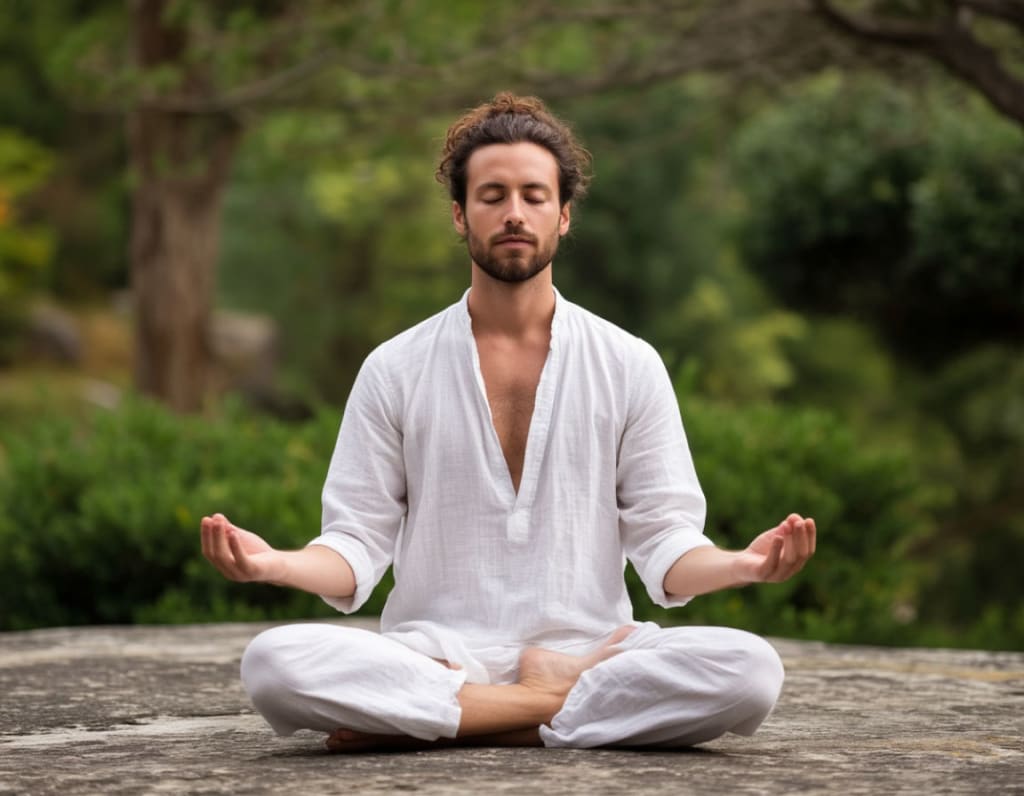
When we think of meditation, we often imagine a person sitting cross-legged in perfect stillness—eyes closed, spine straight, surrounded by silence. But what if sitting still isn’t your thing?
Whether you struggle with restlessness, chronic pain, ADHD, or simply find stillness uncomfortable, there’s good news: you can absolutely meditate without sitting still.
In fact, many traditional and modern meditation practices are designed to be dynamic, embodied, and even rhythmic. Mindfulness isn’t limited to posture—it’s about attention, intention, and presence.
Why Moving Meditation Works
Meditation is the art of noticing—of being aware, on purpose, in the present moment. That awareness can happen whether you’re sitting, walking, sweeping the floor, or dancing barefoot in your kitchen.
For many people, movement actually makes mindfulness more accessible. Here's why:
Movement engages the body, helping ground attention in sensation
It reduces mental agitation by offering rhythm and flow
It allows restlessness to release, rather than suppressing it
It can transform ordinary tasks into sacred rituals
When the body moves, the mind often follows.
1. Walking Meditation
This is one of the most accessible forms of moving meditation. Found in Buddhist traditions, walking meditation is about bringing full attention to the act of walking—step by step.
How to try it:
Walk slowly in a quiet place (indoors or out)
Feel your feet making contact with the ground
Coordinate your breath with your steps
Use a simple mental cue like “lift, move, place” for each part of your stride
Even 5–10 minutes of mindful walking can center you in your body and calm your thoughts.
2. Gentle Movement Practices (Yoga, Qigong, Tai Chi)
These practices weave breath, awareness, and slow motion into one seamless flow. They’re perfect for people who want a moving practice that also stretches and strengthens the body.
Yoga: Combine breath with movement through gentle poses
Qigong: Flowing sequences that cultivate life energy (qi)
Tai Chi: Meditative martial arts for balance, focus, and inner calm
Start with slow, mindful sequences. Focus more on sensation than precision.
3. Rhythmic Activities as Meditation
Activities like:
Knitting
Rocking in a chair
Drawing repetitive patterns (like mandalas)
Drumming or tapping gently to a beat
These actions bring the mind into sync with rhythm and repetition—two powerful anchors for mindfulness.
They’re especially helpful if you're feeling emotionally overloaded or need something tactile to return to the present.
4. Everyday Mindfulness in Action
You don’t need special movements to meditate. You can transform daily tasks into meditation by bringing full presence to them.
Try this with:
Washing dishes: Feel the water, smell the soap, move slowly.
Folding laundry: Notice the texture, the colors, the breath.
Making tea or coffee: Let it become a calming ritual.
Brushing your teeth: Feel each movement, each sound, the balance of your body.
The key is to focus entirely on the moment-to-moment experience—not the outcome.
Let Your Practice Fit You
You don’t have to force yourself into stillness to find peace. Meditation should support you, not frustrate you.
By moving mindfully, you may discover a deeper connection with your body, greater mental clarity, and a more natural way to integrate awareness into your day.
If you’d like guidance on building a practice that meets you where you are—whether seated or in motion—explore this meditation resource. You’ll find techniques and tools for real-life mindfulness that’s flexible, supportive, and effective.
Final Thought: Meditation Isn’t About Sitting—It’s About Showing Up
You don’t need to sit cross-legged to be mindful. You just need to be where you are, as you are, with attention and kindness.
So the next time you feel too restless or sore to sit still, remember: movement is meditation—when done with awareness.
Let your breath guide your steps. Let presence be your posture.
About the Creator
Keep reading
More stories from Marina Gomez and writers in Longevity and other communities.
The Connection Between ADHD and Genetics.
Commentary An Impulsive Gene? My youngest son jumps from one task to another. Ask him to clean his room, he eventually quits because he becomes fixated on something. He can’t sit still for long. On the other hand, when he’s doing something he likes, he is fixated on it, sometimes barely taking in his surroundings or listening to others.
By Dean Traylor4 days ago in Longevity




Comments
There are no comments for this story
Be the first to respond and start the conversation.