
How to Create a Meditation Corner at Home
Designing a space that supports stillness, focus, and everyday calm

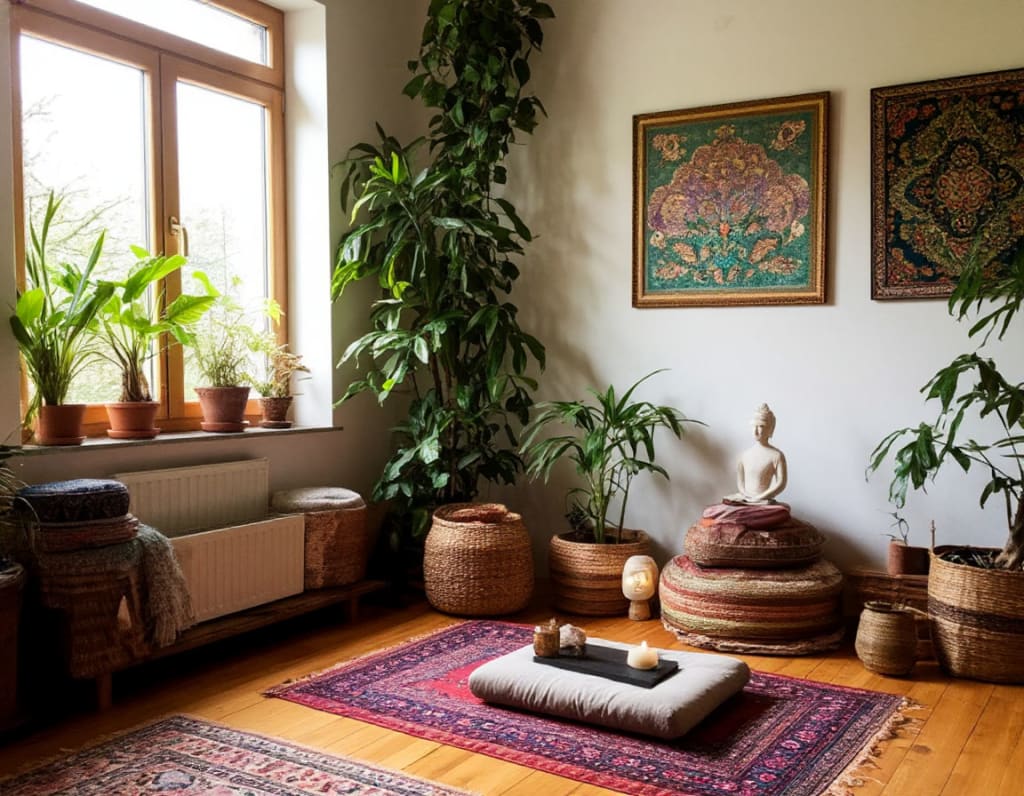
In the rush of modern life, finding a moment of peace can feel like a luxury. But what if that peace wasn’t something you had to escape to—it was waiting in the corner of your own home?
Creating a meditation corner is one of the simplest, most effective ways to support your practice. It doesn’t require a spare room, a major renovation, or fancy equipment. Just a few intentional choices can transform a small space into a sanctuary of calm.
Whether you're a seasoned meditator or just beginning, this guide will help you design a space that invites presence—and keeps you coming back.
Why a Dedicated Space Matters
We often underestimate how much our environment affects our mindset. Just like a desk sets the tone for work and a bed signals rest, a meditation space becomes a physical cue for stillness.
Having a dedicated corner:
Reduces resistance to practicing daily
Helps train your brain to shift into a calm state more quickly
Creates emotional safety and consistency
Makes your meditation feel more intentional and meaningful
When your space is ready, so are you.
Step 1: Choose the Right Spot
You don’t need a whole room—just a quiet corner where you can sit undisturbed.
Look for a space that is:
Low-traffic (away from main walkways)
Naturally quiet or easy to soften with sound (e.g., curtains, rugs)
Near a window if possible, for natural light and airflow
Small enough to feel cozy, but not cramped
Even a corner of your bedroom, a nook by a bookshelf, or a section of your living room can work beautifully.
Step 2: Anchor It With a Cushion or Seat
Your seat is the heart of your meditation space. It signals that this is a place for intentional presence.
Options include:
A meditation cushion (zafu)
A folded blanket or yoga mat
A small stool or chair if you prefer back support
Choose something that supports comfort without encouraging slouching. Your spine should feel upright and alert, not stiff.
Step 3: Add a Touch of Ritual
Personalizing your space turns it from practical to powerful. Think of it as a ritual zone, not just a location.
You might include:
A small table or tray for objects like a candle, incense, or crystal
A journal and pen for pre- or post-meditation reflection
A plant or natural item (stone, feather, leaf) to ground your senses
A photo, symbol, or quote that inspires peace or presence
Minimalism is your friend. Too many items can clutter the mind. Let your space breathe.
Step 4: Set the Mood
Lighting and sound affect how your nervous system responds to space.
Use soft, indirect light (lamps, candles, fairy lights) instead of harsh overhead bulbs
Consider noise-canceling headphones, a white noise machine, or a playlist of nature sounds
Try essential oils or incense to engage scent as part of your calming ritual
All of these elements work together to create a sensory atmosphere that welcomes you into practice.
Step 5: Protect Your Space
Once your meditation corner is set, treat it as sacred—even if it's just a 2x2-foot patch of carpet.
Keep it tidy
Avoid using it for scrolling or stressful tasks
Let others in your home know it’s your space for quiet
When you respect the space, it begins to offer something back: a sense of refuge and return.
Final Thought: Build the Habit Through Space
Meditation doesn’t require perfection, but it does benefit from structure and intention. A meditation corner becomes a visual and energetic reminder that stillness is always available to you.
If you want more ideas on how to start or deepen your practice at home, explore the practical guides and tools at this meditation resource—designed for real people with real lives.
You don’t need to go far.
Peace might be waiting in the corner of your room.
About the Creator
Keep reading
More stories from Marina Gomez and writers in Longevity and other communities.
Visualization Techniques That Make Meditation Easier
If you've ever tried to meditate, you know the challenge: your body sits still, but your mind runs marathons. Thoughts come rushing in, distractions multiply, and the whole experience feels more like mental chaos than calm clarity.
By Marina Gomez6 months ago in Longevity
Day 4 of Quitting
If this is how sobriety feels, maybe it’s better to go through life a little buzzed… this, along with other hits like, I want to kill myself, I wish I was dead, and I’m going to throw myself off a bridge have been the only thoughts on rotation these past few days. I promise myself that if, in a month, I still feel like this (‘this’ meaning despondent, full of rage, and simultaneously numb) I can go back to smoking. Until mid-February though? Nicotine is off the table.
By sleepy drafts4 days ago in Longevity
Chilly Robins in the Garden? Put This Out Today and They’ll Start Coming Back Every Single Morning
As winter tightens its grip and frost coats the edges of your garden, you might notice that the familiar chirps of robins have become far less frequent. These charming, bright-breasted birds, often symbols of the festive season, are not disappearing; they are simply seeking food and warmth elsewhere. Yet, with a few thoughtful steps, you can turn your garden into a welcoming haven that keeps these delightful visitors returning day after day.
By Fiazahmedbrohi 3 days ago in Longevity


Comments
There are no comments for this story
Be the first to respond and start the conversation.