
How to Do Sun Salutation: A Step-by-Step Guide
Master the 12 Poses of Surya Namaskar for Flexibility, Strength, and Mindfulness

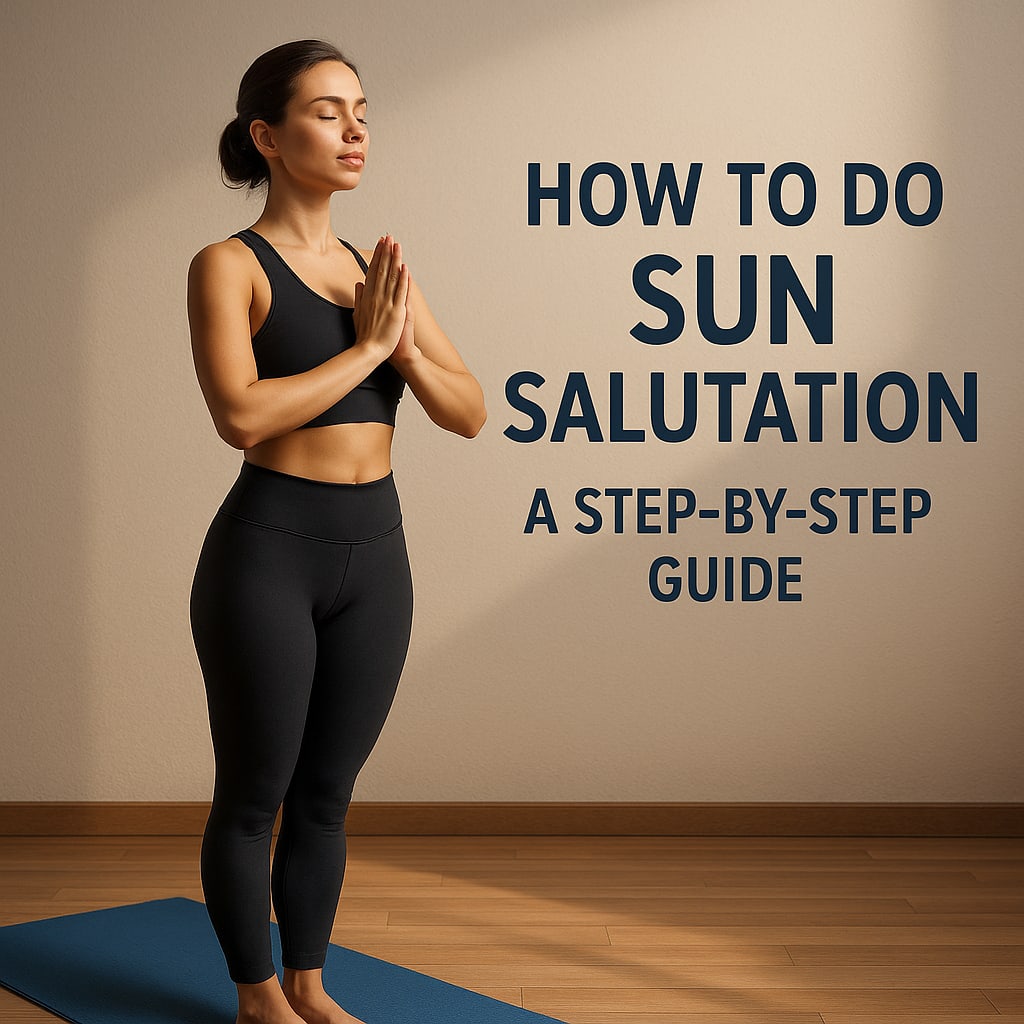
Sun Salutation, or Surya Namaskar, is a foundational sequence in yoga that links breath and movement to energize the body and calm the mind. Practiced for centuries, it combines physical exercise, mental focus, and spiritual grounding. Whether you're a beginner or looking to refine your technique, this step-by-step guide will help you perform Sun Salutation correctly and reap its full benefits.
What is Sun Salutation?
Sun Salutation is a sequence of 12 powerful yoga poses. Each movement is synchronized with your breath: inhale to extend or open the body, and exhale to bend or contract. Traditionally performed facing the rising sun, this sequence honors the sun's energy and invigorates the body for the day ahead.
Benefits of Practicing Sun Salutation
- Improves flexibility: The dynamic movements stretch all major muscle groups.
- Boosts circulation: Elevates heart rate and enhances blood flow.
- Enhances lung capacity: Controlled breathing strengthens the respiratory system.
- Tones muscles: Regular practice tones arms, legs, and core.
- Promotes mental clarity: Focused movement and breath work calm the mind.
Preparing for Sun Salutation
- Choose a quiet space: Find a peaceful, clutter-free area with enough room to move freely.
- Use a yoga mat: Provides grip and cushioning for your joints.
- Wear comfortable clothing: Allows unrestricted movement.
- Warm up: Gentle stretches or light cardio help prepare your body.
Step-by-Step Sun Salutation (Surya Namaskar A)
Each round of Sun Salutation consists of 12 poses. Here's how to perform them:
1. Pranamasana (Prayer Pose)
How to do it: Stand at the front of your mat. Feet together, hands in prayer position at your heart.
Breath: Inhale and exhale normally.
Focus: Center yourself and set an intention for your practice.
2. Hastauttanasana (Raised Arms Pose)
How to do it: Inhale, lift your arms overhead, palms together. Arch back slightly.
Tips: Engage thighs and reach up from the waist.
3. Uttanasana (Standing Forward Bend)
How to do it: Exhale, hinge at the hips, and fold forward. Hands touch the floor or shins.
Tips: Keep knees slightly bent if needed.
4. Ashwa Sanchalanasana (Equestrian Pose)
How to do it: Inhale, step your right leg back, right knee on the floor. Look forward.
Tips: Keep left knee above the ankle.
5. Dandasana (Plank Pose)
How to do it: Exhale, step left leg back to a plank. Body in a straight line.
Tips: Engage your core, don’t let hips sag.
6. Ashtanga Namaskara (Eight Limbed Pose)
How to do it: Lower knees, chest, and chin to the mat. Hips stay raised.
Breath: Hold breath.
Tips: Elbows close to body.
7. Bhujangasana (Cobra Pose)
How to do it: Inhale, slide forward and lift your chest. Elbows bent.
Tips: Shoulders away from ears.
8. Adho Mukha Svanasana (Downward Facing Dog)
How to do it: Exhale, lift hips into an inverted V.
Tips: Press heels toward the floor, spread fingers wide.
9. Ashwa Sanchalanasana (Equestrian Pose - Left Side)
How to do it: Inhale, step right foot forward between hands. Left knee down.
Tips: Mirror of step 4.
10. Uttanasana (Standing Forward Bend)
How to do it: Exhale, bring left foot forward. Fold into forward bend.
11. Hastauttanasana (Raised Arms Pose)
How to do it: Inhale, rise up with arms overhead.
12. Pranamasana (Prayer Pose)
How to do it: Exhale, bring hands back to heart center.
Tips for a Safe and Effective Practice
- Move with your breath: Synchronize each movement with either an inhale or exhale.
- Start slow: Begin with 2-4 rounds and gradually increase.
- Listen to your body: Modify poses if you feel strain.
- Stay hydrated: Drink water before and after practice.
- Practice consistency: Daily practice yields the best results.
Common Mistakes to Avoid
- Skipping warm-up: Can lead to injury.
- Holding breath: Disrupts flow and focus.
- Locking joints: Keep a micro-bend in elbows and knees.
- Overextending: Avoid forcing deep backbends.
Variations and Modifications
- Beginners: Use blocks for forward folds and lunges.
- Advanced practitioners: Add Chaturanga and Upward Dog.
- Chair Sun Salutation: Ideal for seniors or those with limited mobility.
Sun Salutation is more than a physical workout. It’s a holistic practice that nurtures the body, mind, and spirit.
With regular practice, you’ll notice improved strength, flexibility, and mental clarity. Take it one breath, one pose at a time, and enjoy the journey.
FAQs
Q: How many rounds of Sun Salutation should I do daily?
A: Start with 4-6 rounds and gradually increase to 12.
Q: When is the best time to do Sun Salutation?
A: Early morning on an empty stomach is ideal.
Q: Can I do Sun Salutation if I have injuries?
A: Consult a physician or certified yoga instructor before practicing.
Practice with mindfulness, and let Sun Salutation be your daily ritual for vitality and inner peace.
About the Creator
Richard Bailey
I am currently working on expanding my writing topics and exploring different areas and topics of writing. I have a personal history with a very severe form of treatment-resistant major depressive disorder.
Keep reading
More stories from Richard Bailey and writers in Longevity and other communities.
Holistic Approaches to Chronic Illness Management: A Comprehensive Guide
Living with a chronic illness can be a challenging, lifelong journey. Whether it's diabetes, arthritis, heart disease, autoimmune conditions, or chronic fatigue syndrome, these persistent conditions require ongoing care, not just symptom relief. As individuals seek more comprehensive and sustainable ways to manage their health, holistic approaches to chronic illness management have become increasingly popular.
By Richard Bailey10 months ago in Longevity
The Biomechanics of Better Steps
Most people assume that better walking begins with stronger muscles. Walking is not just a muscular act — it is a neurological performance. Every step is shaped by a constant exchange of information between your feet and your brain. This communication system, known as the sensory motor network, determines how stable and confident your movement feels.
By AhmedFitLife6 days ago in Longevity



Comments (1)
Very informative ♦️♦️♦️