
Holistic Approaches to Chronic Illness Management: A Comprehensive Guide
Explore Integrative Medicine, Lifestyle Changes, and Alternative Therapies to Improve Quality of Life with Chronic Illness.

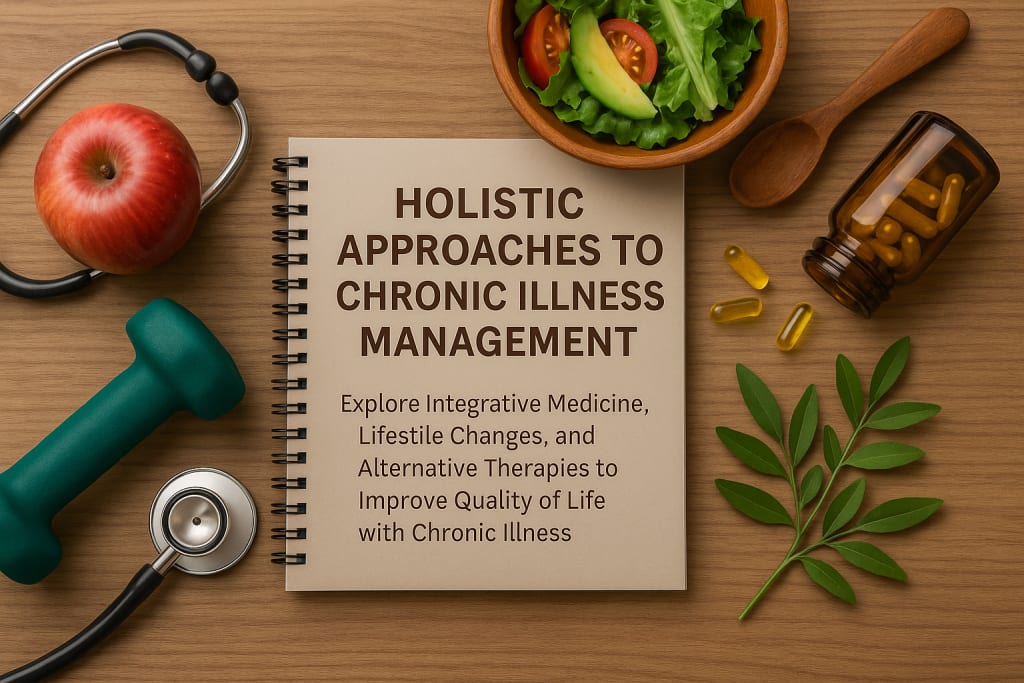
Living with a chronic illness can be a challenging, lifelong journey. Whether it's diabetes, arthritis, heart disease, autoimmune conditions, or chronic fatigue syndrome, these persistent conditions require ongoing care, not just symptom relief. As individuals seek more comprehensive and sustainable ways to manage their health, holistic approaches to chronic illness management have become increasingly popular.
This in-depth guide explores integrative medicine, lifestyle changes for chronic illness, and alternative therapies that are gaining recognition in the medical community and among patients.
What Is Holistic Chronic Illness Management?
Holistic health refers to treating the whole person — body, mind, emotions, and spirit — rather than focusing solely on the disease or symptoms. When it comes to chronic illness, a holistic approach emphasizes long-term strategies that support the patient’s overall well-being, addressing root causes and improving quality of life.
Key components of holistic chronic illness care include:
- Integrative medicine
- Nutrition and diet
- Exercise and movement
- Mental and emotional health
- Alternative and complementary therapies
- Social and spiritual support
1. Integrative Medicine: Bridging Conventional and Complementary Care
Integrative medicine blends traditional Western medical practices with evidence-based complementary therapies. It is patient-centered, preventative in nature, and focuses on healing rather than just managing symptoms.
How Integrative Medicine Helps Chronic Illness
- Personalized care plans: Treatment plans are tailored to the individual’s unique needs and preferences.
- Focus on prevention and lifestyle: Doctors often incorporate coaching on nutrition, exercise, and stress management.
- Reduced reliance on medication: Complementary therapies can reduce the need for pharmaceuticals and their side effects.
Common Practices in Integrative Medicine
- Functional medicine: Investigates the root causes of illness using lab tests and lifestyle assessments.
- Nutritional therapy: Uses diet and supplements to correct imbalances.
- Mind-body interventions: Includes meditation, biofeedback, and mindfulness to reduce stress-related flare-ups.
2. Lifestyle Changes for Chronic Illness: Small Steps, Big Impact
Chronic illnesses often stem from — or are worsened by — poor lifestyle habits. Making lifestyle changes is not just beneficial; it’s essential for managing long-term conditions.
Nutrition: Food as Medicine
- Anti-inflammatory diets like the Mediterranean or DASH diet can reduce symptoms in diseases such as arthritis or hypertension.
- Elimination diets help identify food sensitivities that may exacerbate autoimmune or digestive disorders.
- Whole-food nutrition supports better energy levels, immune function, and mental clarity.
Movement and Physical Activity
- Gentle exercises like yoga, tai chi, or swimming improve mobility and reduce pain without overexertion.
- Consistency over intensity: Daily low-impact activity can be more beneficial than sporadic intense workouts.
Sleep and Rest
- Chronic conditions are often worsened by poor sleep hygiene.
- Create a bedtime routine, minimize blue light exposure, and address conditions like sleep apnea.
Stress Management
- Chronic stress can worsen autoimmune conditions and increase inflammation.
- Practices like meditation, deep breathing, and journaling can dramatically reduce stress levels.
3. Alternative Therapies for Chronic Illness Relief
Many individuals find relief through alternative therapies that fall outside the scope of conventional medicine but are increasingly validated by research.
Acupuncture
- Often used for pain relief, migraine management, and reducing inflammation.
- Helps regulate nervous system activity and blood flow.
Chiropractic and Osteopathic Manipulation
- Can relieve back pain, headaches, and improve physical function.
- Often used in conjunction with physical therapy.
Herbal and Natural Supplements
- Turmeric, ashwagandha, CBD, and omega-3 fatty acids are popular among chronic illness patients.
- Always consult a healthcare provider before starting new supplements.
Massage and Bodywork
- Helps with muscle tension, stress, and circulation.
- Modalities include lymphatic drainage, craniosacral therapy, and myofascial release.
4. Mind-Body Medicine: The Power of the Brain-Body Connection
The relationship between the mind and body is critical in chronic illness. Mental and emotional health are often overlooked, yet they can directly influence physical symptoms.
Mindfulness and Meditation
- Proven to lower cortisol levels and inflammation.
- Helps patients manage pain, anxiety, and fatigue.
Cognitive Behavioral Therapy (CBT)
- Teaches tools to reframe negative thought patterns that worsen symptoms.
- Often used in conditions like IBS, fibromyalgia, and depression.
Support Groups and Counseling
- Living with a chronic condition can be isolating.
- Group therapy or one-on-one counseling provides emotional validation and coping strategies.
5. Spiritual and Community Support
For many, spirituality — whether religious or not — provides purpose, hope, and peace.
- Practices like prayer, meditation, or gratitude journaling can enhance emotional resilience.
- A sense of community reduces isolation and supports healing.
- Volunteering or engaging in meaningful activities can boost mood and provide a sense of purpose.
Real-World Example: A Holistic Plan for Autoimmune Disease
Let’s take rheumatoid arthritis (RA) as an example. A holistic management plan might include:
- A plant-based, anti-inflammatory diet
- Regular, gentle movement through yoga
- Acupuncture for joint pain
- Stress-reduction techniques like meditation
- Nutritional supplements such as omega-3s and vitamin D
- Psychological support from a therapist or support group
- Working with a functional medicine practitioner to explore root causes
The Takeaway: Healing Is a Journey, Not a Quick Fix
Holistic approaches to chronic illness don’t promise instant cures — instead, they offer a sustainable, empowering path to healing. By integrating medical treatment with lifestyle changes, emotional support, and complementary therapies, individuals can regain a sense of control and significantly improve their quality of life.
Whether you're newly diagnosed or have lived with chronic illness for years, exploring a holistic management strategy could be the missing link in your wellness journey.
Frequently Asked Questions (FAQs)
Is holistic treatment safe for all chronic illnesses?
Generally, yes — especially when practiced under the guidance of trained professionals. Always consult your healthcare provider before making significant changes.
Can I stop taking my medication if I follow a holistic plan?
No. Holistic strategies are complementary. Always discuss any changes with your doctor.
How do I find a holistic practitioner?
Search for certified professionals in integrative or functional medicine, or ask your primary care provider for referrals.
As awareness grows around the limits of conventional medicine for chronic disease, more people are turning to holistic and integrative approaches. From lifestyle changes to alternative therapies, this personalized, whole-person strategy offers hope and tangible improvement.
If you're feeling overwhelmed by chronic illness, remember: healing doesn't have to be linear — and you're not alone.
About the Creator
Richard Bailey
I am currently working on expanding my writing topics and exploring different areas and topics of writing. I have a personal history with a very severe form of treatment-resistant major depressive disorder.
Keep reading
More stories from Richard Bailey and writers in Longevity and other communities.
Home Workouts for Busy Professionals: Quick, Effective Routines for a Healthier You
In today’s fast-paced world, balancing a demanding career with personal health often feels like an impossible challenge. For busy professionals, finding time for the gym can seem like a luxury. However, the growing demand for convenient fitness solutions has led to a surge in home workouts — efficient, flexible, and accessible exercises you can do right from your living room.
By Richard Bailey10 months ago in Longevity
You’re Probably Shortening Your Life Without Realizing It (Here’s the Simple Fix Nobody Talks About)
Most people don’t think they’re making choices that shorten their life. They assume that serious health problems come from obvious risks—smoking, extreme stress, or poor genetics. But the reality is far more subtle. The biggest impact on longevity often comes from small, repeated habits that feel harmless in the moment.
By Lukáš Hrdlička7 days ago in Longevity


Comments
There are no comments for this story
Be the first to respond and start the conversation.