
How to Boost Skin Collagen: Tips for Youthful, Firm Skin
how to Increase collagen production for firmer, younger-looking skin.
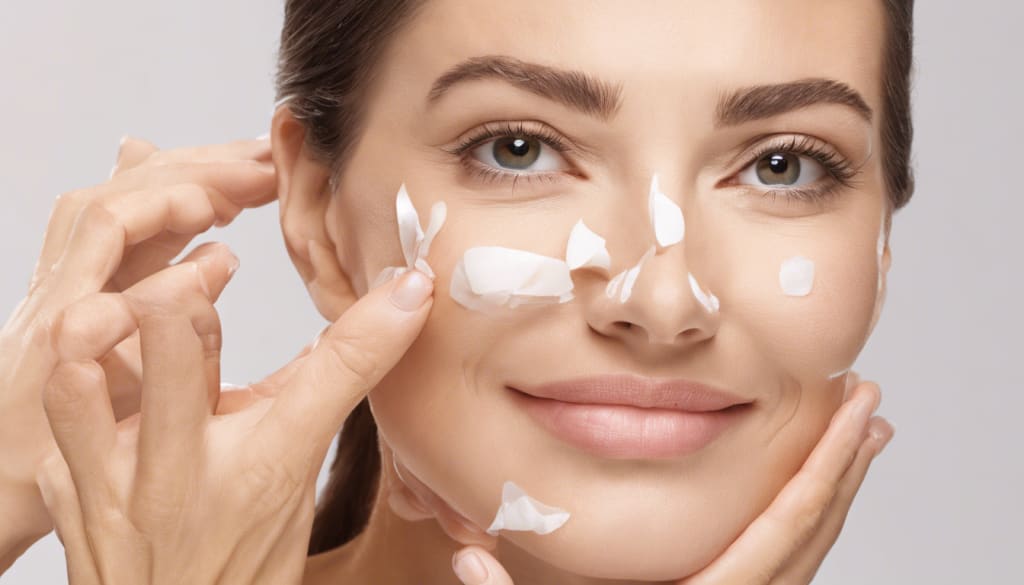
Article ImageCollagen is the cornerstone of youthful, firm skin, yet its production naturally decreases with age, leading to the appearance of fine lines, wrinkles, and a loss of elasticity. Understanding how to boost skin collagen can play a pivotal role in maintaining a radiant, healthy complexion. In the quest for anti-aging solutions, a myriad of factors including diet, the application of certain skincare ingredients, and lifestyle habits come into play, each contributing to the overall health and appearance of the skin. This article aims to shed light on effective strategies to stimulate collagen production, offering insights into achieving and preserving a youthful glow.
The ensuing discussion delves into the significance of collagen for skin health, the impact of diet on collagen synthesis—highlighting the roles of amino acids, antioxidants, and specific nutrients like vitamin C, ginseng, and zinc. It further explores topical solutions, including the benefits of ingredients such as retinoids, peptides, hyaluronic acid, and aloe vera, in supporting collagen levels. Additionally, lifestyle practices such as the importance of sunscreen to protect against collagen degradation, the advantages of exercise, and the detrimental effects of smoking on the skin’s structural integrity will be examined. Highlighting practical steps such as hydration, sleep, and the application of advanced treatments like microneedling, LED light therapy, and chemical peels, the article provides a comprehensive roadmap for those looking to enhance their skin’s collagen levels and diminish the signs of aging.
Collagen and Skin Health
Collagen is a crucial protein that plays a vital role in maintaining the structure and integrity of the skin. It is the most abundant protein in the body, responsible for providing strength, elasticity, and hydration to the skin 12.
Basics of Collagen
Collagen molecules join together to form long, sturdy fibers that make up the majority of connective tissue in the body, supporting various structures including the skin 1. In the skin, collagen encourages the regeneration of the superficial layer, restores dead skin cells, and helps repair any damage 1. It acts as the building block, keeping the skin healthy and youthful-looking 1.
Why Collagen Declines with Age
As we age, the body's natural collagen production decreases significantly 12. By the late 40s, the amount of collagen produced is considerably less than in the 20s and 30s 1. For women, menopause marks another dramatic drop in collagen levels 1. By the age of 60, both men and women experience a substantial decline in collagen production 1. This decrease in collagen leads to changes in the skin, such as the appearance of fine lines, wrinkles, and a loss of elasticity and firmness 234.
Intrinsic aging and photoaging (skin damage caused by UV exposure) are two major factors that contribute to the depletion of collagen in the body 43. As collagen levels diminish, the skin becomes thinner, losing its elasticity and flexibility 43. This process is a natural consequence of aging, but certain lifestyle factors like smoking and excessive sun exposure can accelerate collagen breakdown 5.
Human skin is composed of various types of collagen, including types I, III, and V 6. Collagen fibrils in the dermis are hybrids of type I and type III collagen molecules 6. With aging, the ratio of these collagen types changes, leading to alterations in the structural integrity of the skin 67.
Several studies have shown that collagen peptides or supplements containing collagen may help slow the aging of the skin by reducing wrinkles and dryness 28. However, the absorption of collagen from food sources may not be as efficient as from supplements 2.
Human skin is composed of various types of collagen, including types I, III, and V 6. Collagen fibrils in the dermis are hybrids of type I and type III collagen molecules 6. With aging, the ratio of these collagen types changes, leading to alterations in the structural integrity of the skin 67.
Several studies have shown that collagen peptides or supplements containing collagen may help slow the aging of the skin by reducing wrinkles and dryness 28. However, the absorption of collagen from food sources may not be as efficient as from supplements 2.
Human skin is composed of various types of collagen, including types I, III, and V 6. Collagen fibrils in the dermis are hybrids of type I and type III collagen molecules 6. With aging, the ratio of these collagen types changes, leading to alterations in the structural integrity of the skin 67.
Several studies have shown that collagen peptides or supplements containing collagen may help slow the aging of the skin by reducing wrinkles and dryness 28. However, the absorption of collagen from food sources may not be as efficient as from supplements 2.
Human skin is composed of various types of collagen, including types I, III, and V 6. Collagen fibrils in the dermis are hybrids of type I and type III collagen molecules 6. With aging, the ratio of these collagen types changes, leading to alterations in the structural integrity of the skin 67.
Several studies have shown that collagen peptides or supplements containing collagen may help slow the aging of the skin by reducing wrinkles and dryness 28. However, the absorption of collagen from food sources may not be as efficient as from supplements 2.
Human skin is composed of various types of collagen, including types I, III, and V 6. Collagen fibrils in the dermis are hybrids of type I and type III collagen molecules 6. With aging, the ratio of these collagen types changes, leading to alterations in the structural integrity of the skin 67.
Several studies have shown that collagen peptides or supplements containing collagen may help slow the aging of the skin by reducing wrinkles and dryness 28. However, the absorption of collagen from food sources may not be as efficient as from supplements 2.
Human skin is composed of various types of collagen, including types I, III, and V 6. Collagen fibrils in the dermis are hybrids of type I and type III collagen molecules 6. With aging, the ratio of these collagen types changes, leading to alterations in the structural integrity of the skin 67.
Several studies have shown that collagen peptides or supplements containing collagen may help slow the aging of the skin by reducing wrinkles and dryness 28. However, the absorption of collagen from food sources may not be as efficient as from supplements 2.
Human skin is composed of various types of collagen, including types I, III, and V 6. Collagen fibrils in the dermis are hybrids of type I and type III collagen molecules 6. With aging, the ratio of these collagen types changes, leading to alterations in the structural integrity of the skin 67.
Several studies have shown that collagen peptides or supplements containing collagen may help slow the aging of the skin by reducing wrinkles and dryness 28. However, the absorption of collagen from food sources may not be as efficient as from supplements 2.
Human skin is composed of various types of collagen, including types I, III, and V 6. Collagen fibrils in the dermis are hybrids of type I and type III collagen molecules 6. With aging, the ratio of these collagen types changes, leading to alterations in the structural integrity of the skin 67.
Several studies have shown that collagen peptides or supplements containing collagen may help slow the aging of the skin by reducing wrinkles and dryness 28. However, the absorption of collagen from food sources may not be as efficient as from supplements 2.
Human skin is composed of various types of collagen, including types I, III, and V 6. Collagen fibrils in the dermis are hybrids of type I and type III collagen molecules 6. With aging, the ratio of these collagen types changes, leading to alterations in the structural integrity of the skin 67.
Several studies have shown that collagen peptides or supplements containing collagen may help slow the aging of the skin by reducing wrinkles and dryness 28. However, the absorption of collagen from food sources may not be as efficient as from supplements 2.
Human skin is composed of various types of collagen, including types I, III, and V 6. Collagen fibrils in the dermis are hybrids of type I and type III collagen molecules 6. With aging, the ratio of these collagen types changes, leading to alterations in the structural integrity of the skin 67.
Several studies have shown that collagen peptides or supplements containing collagen may help slow the aging of the skin by reducing wrinkles and dryness 28. However, the absorption of collagen from food sources may not be as efficient as from supplements 2.
Human skin is composed of various types of collagen, including types I, III, and V 6. Collagen fibrils in the dermis are hybrids of type I and type III collagen molecules 6. With aging, the ratio of these collagen types changes, leading to alterations in the structural integrity of the skin 67.
Several studies have shown that collagen peptides or supplements containing collagen may help slow the aging of the skin by reducing wrinkles and dryness 28. However, the absorption of collagen from food sources may not be as efficient as from supplements 2.
Human skin is composed of various types of collagen, including types I, III, and V 6. Collagen fibrils in the dermis are hybrids of type I and type III collagen molecules 6. With aging, the ratio of these collagen types changes, leading to alterations in the structural integrity of the skin 67.
Several studies have shown that collagen peptides or supplements containing collagen may help slow the aging of the skin by reducing wrinkles and dryness 28. However, the absorption of collagen from food sources may not be as efficient as from supplements 2.
Diet and Collagen Production
The body's ability to produce collagen is influenced by various dietary factors. Incorporating specific foods and nutrients into one's diet can support and promote collagen synthesis, contributing to healthier, more youthful-looking skin.
Foods to Eat
Bone Broth: Bone broth is made by simmering animal bones in water, which is believed to extract collagen 57. This collagen-rich liquid can be consumed directly or used as a base for soups and stews, providing a bioavailable form of collagen that the body can readily utilize 5.
Chicken: Chicken is a relatively good source of collagen, which is why many collagen supplements are derived from this protein-rich food 59.
Fish: Like other animals, fish have bones and ligaments made of collagen. Some experts suggest that marine collagen may be one of the most easily absorbed forms 5.
Egg Whites: Egg whites contain relatively high levels of proline and glycine, two amino acids essential for collagen synthesis 5.
Berries: Berries are rich in antioxidants, which help protect the skin from damage and may promote collagen production 59.
Citrus Fruits: Citrus fruits like oranges, grapefruits, lemons, and limes are excellent sources of vitamin C, a nutrient vital for collagen production 59.
Garlic: Garlic is high in sulfur, a trace mineral that helps synthesize and prevent the breakdown of collagen 5.
Leafy Greens: Spinach, kale, Swiss chard, and other salad greens contain chlorophyll, an antioxidant compound that has been shown to increase collagen precursors in the skin 5.
Cashews: Cashews are a good source of zinc and copper, both of which boost the body's ability to create collagen 5.
Tomatoes: Tomatoes are rich in lycopene, a powerful antioxidant that may help protect collagen from damage 5.
Bell Peppers: Bell peppers are high in vitamin C and contain capsaicin, an anti-inflammatory compound that may support collagen production 5.
Vitamins and Minerals for Collagen
Vitamin C: Vitamin C is essential for collagen production, as it plays a crucial role in the formation and cross-linking of collagen fibers 359. Symptoms of vitamin C deficiency, such as scurvy, can include skin problems and impaired wound healing 3.
Antioxidants: Antioxidants help protect the body from free radicals, which can damage collagen and accelerate skin aging 45. Various plant-based foods, including blueberries, green tea, yerba mate, licorice extract, mulberry extract, pomegranate extract, coffee extract, astragalus, cinnamon, and basil, oregano, and thyme essential oils, are rich sources of antioxidants 4.
Zinc and Copper: These minerals are essential for collagen production and are found in meats, shellfish, nuts, whole grains, and beans 9.
By incorporating these collagen-boosting foods and nutrients into one's diet, individuals can support their body's natural ability to produce and maintain healthy levels of collagen, promoting firmer, more youthful-looking skin 59.
Topical Solutions for Collagen Support
Topical solutions can play a significant role in supporting and boosting collagen levels in the skin. Two key components often found in skincare products are retinoids and antioxidants.
Use of Retinoids and Serums
Retinoids, derivatives of vitamin A, are widely used in skincare products for their ability to stimulate collagen production and improve skin texture 10. Retinol, a form of vitamin A, increases skin cell proliferation, helps unclog pores, and exfoliates the skin 10. It also enhances collagen production, reducing the appearance of fine lines and wrinkles, giving the skin a fresher, plump appearance 10.
Topical retinoids, such as tretinoin and tazarotene, can improve the appearance of fine lines and wrinkles by slowing the breakdown of collagen and making the skin more elastic 10. Prescription retinoids contain higher concentrations of active ingredients and may show more significant changes to the skin faster 10. Over-the-counter retinol products, while less potent, can also hydrate and brighten the skin due to the combination of other ingredients 10.
Serums containing collagen peptides, or small amino acid sequences that are components of collagen, can penetrate the skin and signal the body to produce more collagen and elastin 11. These peptides are small enough to be absorbed into the skin, unlike larger collagen molecules, which are too big to be absorbed topically 11.
Role of Antioxidants
Antioxidants, such as vitamins C and E, can benefit the skin by preventing or slowing aging and cell damage 12139. Many skincare products contain antioxidants, which can improve the skin by reducing DNA damage from UV light, improving hydration, stimulating collagen and elastin production, reducing wrinkles and pigmentation, supporting healing processes, reducing inflammation, and softening the skin 12139.
Vitamin C, in particular, is a potent antioxidant that can interact with harmful free radicals and donate its electron 12. This strong effect is especially relevant in photoaged skin, quenching reactive oxygen species (ROS) induced by UV radiation and protecting the epidermal morphology 12. Studies have shown that vitamin C has a strong antioxidant potential and high efficacy against lipid peroxidation and protein glycosylation, demonstrating a positive effect on collagen neosynthesis 12.
Hyaluronic acid (HA) has also been found to have antioxidant properties, inhibiting lipid peroxidation and reducing the activity of ROS by scavenging free radicals 12. The combination of antioxidants and other active ingredients in skincare products can provide protection against exposure to various factors that cause oxidative stress and collagen degradation 12.
Lifestyle Changes to Sustain Collagen
Avoid UV Exposure
Protecting the skin from excessive sun exposure is crucial for maintaining healthy collagen levels and preventing premature aging. UV radiation from the sun can increase the formation of reactive oxygen species (ROS), which can damage collagen and elastin fibers in the skin 14. Overexposure to UV radiation leads to the degradation of these proteins, contributing to the formation of wrinkles, sagging skin, and a loss of elasticity 14.
One of the main effects of UV radiation is an increase in the expression of matrix metalloproteinases (MMPs), enzymes responsible for breaking down extracellular matrix proteins like collagen, fibronectin, and elastin 14. Excessive MMP activity, particularly MMP-1, MMP-3, and MMP-9, accelerates the degradation of collagen, leading to premature skin aging and the formation of deep wrinkles 14.
Additionally, UV radiation stimulates the mitogen-activated protein kinase (MAPK) pathway, which activates the transcription factor AP-1 14. AP-1 not only upregulates MMP expression but also inhibits the signaling of transforming growth factor-beta (TGF-β), a key regulator of collagen synthesis in the skin 14. This dual effect results in reduced collagen production and increased collagen breakdown, exacerbating the signs of aging.
To protect the skin from UV-induced collagen degradation, it is essential to adopt sun-safe practices, such as 15:
Staying out of the sun during peak hours (typically between 10 a.m. and 4 p.m.)
Wearing protective clothing, including long-sleeved shirts, pants, and wide-brimmed hats
Using broad-spectrum sunscreen with an SPF of 30 or higher, and reapplying it every two hours when outdoors
By minimizing exposure to UV radiation, individuals can help preserve their skin's collagen levels and maintain a youthful, radiant complexion.
Quit Smoking and Reduce Stress
Smoking and chronic stress can have detrimental effects on collagen production and skin health. Quitting smoking and managing stress levels are essential lifestyle changes for sustaining collagen levels and maintaining a youthful appearance.
Smoking is a significant contributor to premature skin aging, as the chemicals in tobacco smoke can impair collagen formation and increase the expression of enzymes that degrade collagen 16. Smoking also narrows blood vessels in the skin, depriving it of oxygen and nutrients necessary for collagen synthesis 16. Additionally, smoking promotes oxidative stress, which can further damage collagen and elastin fibers, leading to wrinkles, sagging skin, and a loss of elasticity 16.
Quitting smoking can have a positive impact on skin health and collagen production. Studies have shown that within 4 to 12 weeks of quitting, the body begins to restore its collagen production and improve circulation 16. This can lead to a noticeable improvement in skin appearance, with a reduction in wrinkles and a more youthful, radiant complexion.
Furthermore, chronic stress can also negatively impact collagen levels in the skin. Stress triggers the release of cortisol, a hormone that can disrupt the balance of collagen production and breakdown 917. High cortisol levels can lead to increased activity of MMPs, enzymes responsible for collagen degradation, while also inhibiting the synthesis of new collagen fibers 917.
To reduce the effects of stress on collagen levels, it is essential to adopt stress management techniques, such as regular exercise, meditation, yoga, or engaging in relaxing activities. Incorporating stress-reducing practices into daily life can help maintain a healthy balance of collagen production and breakdown, promoting a more youthful and radiant complexion.
By quitting smoking and managing stress levels, individuals can take proactive steps to sustain their skin's collagen levels, minimize the signs of aging, and maintain a healthy, youthful appearance.
Conclusion
Throughout this exploration of strategies to boost skin collagen, it's evident that maintaining a youthful, firm skin involves a holistic approach encompassing dietary choices, topical treatments, and lifestyle modifications. Key takeaways include the essential role of amino acids, antioxidants, and specific nutrients like vitamin C in collagen synthesis, as well as the benefits of incorporating retinoids, peptides, and hyaluronic acid in skincare routines. Moreover, the importance of protecting the skin from UV damage, the deleterious effects of smoking, and the role of stress management have been underscored in sustaining collagen levels and skin health.
In essence, the journey to preserve skin's youthful vitality is multifaceted, requiring consistent and informed efforts across various aspects of daily life. By integrating a collagen-friendly diet, adopting effective skincare practices, and making healthier lifestyle choices, individuals can significantly enhance their skin’s collagen levels, thereby reducing the signs of aging and promoting a healthier, more radiant complexion. The implications of these practices are profound, not only for esthetic improvement but for the overall health and resilience of the skin, highlighting the significance of collagen maintenance in the broader context of skin care and aging.
FAQs
What are effective methods to enhance collagen for a more youthful skin appearance?
One effective strategy to increase collagen production is to protect your skin from sun exposure. Ultraviolet rays can harm collagen fibers, which can lead to fine lines and wrinkles. Applying sunscreen before going outdoors is crucial. Additionally, maintaining a nutritious diet can help boost collagen levels.
Is it possible to regenerate collagen in your skin?
As we age, collagen levels naturally decline and it's inevitable. However, various cosmetic treatments are available that can help rebuild or restore collagen in the skin.
Does collagen help with sagging skin?
Collagen is a vital protein that acts as a foundational element for bones, skin, hair, muscles, tendons, and ligaments. According to dermatologist Dr. Ohara Aivaz, collagen is essential for maintaining skin’s elasticity and firmness, providing that plump, youthful appearance.
How can I naturally boost collagen production in my face?
To enhance collagen production naturally, focus on a healthy diet rich in vitamin C, which is crucial for collagen synthesis. Foods like citrus fruits, berries, and leafy greens are excellent sources. Additionally, consuming foods that contain amino acids, such as lean meats, fish, eggs, and legumes, can support the building of collagen.
About the Creator
Keep reading
More stories from Vera Marçoli and writers in Longevity and other communities.
Improve Your Dental Health with Probiotics: What You Need to Know
Introduction to Probiotics and Dental Health Probiotics are commonly known for their role in gut health, but recent research reveals their importance in maintaining oral health as well. Our mouths are home to millions of bacteria—both good and bad. By introducing probiotics into your routine, you can help manage the balance of oral bacteria, reducing harmful microbes and promoting a healthier mouth.
By Vera Marçoliabout a year ago in Longevity
The Strange Reason Japanese People Stay Fit Without Ever Going To The Gym
When you think about fitness, images of clanging dumbbells, spinning classes, and high‑intensity workouts probably come to mind. In Japan, however, the story of health and longevity looks very different. Yes, Japan consistently ranks near the top of global life expectancy charts — but the secret isn’t found in flashy fitness studios. Instead, it’s woven into everyday life: in habits, culture, community, and small daily movements that add up.
By Zakir Ullah5 days ago in Longevity
Budget Cuts at Environment and Climate Change Canada Threaten Arctic Science
Canada’s Arctic has long been recognized as a frontline of climate change, geopolitical competition, and environmental transformation. But while global attention often focuses on melting ice, territorial claims, and resource access in the North, a quiet but deeply consequential crisis is unfolding that could seriously weaken Canada’s scientific leadership in the Arctic. That crisis stems not from external forces, but from domestic budget cuts at Environment and Climate Change Canada (ECCC) — the federal department responsible for environmental science, policy, and monitoring. In recent federal budget planning, the government announced a plan to reduce the size of the public service by about 15 % over three years, a move that will affect many departments — including ECCC. Under these cuts, more than 800 positions at ECCC could be reduced or eliminated, raising alarms among scientists, Indigenous leaders, and environmental advocates about the future of Arctic research in Canada. ECCC’s Arctic Science Role at Risk For decades, ECCC scientists have been at the center of international Arctic environmental research. They play leading roles in the Arctic Monitoring and Assessment Programme (AMAP) — a key working group of the Arctic Council that brings together scientists from Arctic states to monitor contaminants, climate change trends, and ecosystem health. Canadian researchers have served as chapter leads on more than 20 major international assessment reports on pollutants like mercury and persistent organic chemicals, generating data essential not only for domestic policy but for global treaties such as the Stockholm Convention on Persistent Organic Pollutants and the Minamata Convention on Mercury. But with staffing reductions looming, many of these specialized research roles — including those that lead long‑term monitoring of toxins in Arctic wildlife — are at risk. Some scientists may lose their jobs entirely, while critical responsibilities could fall to non‑specialists or be dropped altogether. Without these experts, Canada’s ability to detect and interpret emerging chemical threats in the Arctic — from “forever chemicals” (per‑ and polyfluoroalkyl substances) to new contaminants — could be severely impaired. Perhaps even more damaging is the potential loss of long‑term data collection. Some Arctic datasets maintained by ECCC span decades, tracking trends in pollutant levels, climate drivers, and wildlife health. These datasets are unique — few countries or institutions possess such extended records of environmental change in the North. Should monitoring programs be discontinued, these archives could be lost or rendered incomplete, eroding the basis for science‑based policy and international treaty commitments. Impacts on Policy, Law, and Environmental Governance The repercussions of these cuts extend well beyond scientific circles. Scientific evidence generated by ECCC underpins environmental law and policy in Canada and internationally. In Canada, the Canadian Environmental Protection Act and various risk‑management frameworks rely on expert assessments to identify harmful substances and regulate their use. If the scientific infrastructure that informs these laws is weakened, policymakers may lack the evidence needed to make effective decisions — leading some critics to argue that Canada risks being seen as a laggard in environmental governance. Internationally, ECCC’s work bolsters Canada’s credibility as a committed Arctic nation. In forums like the Arctic Council and global environmental treaties, Canadian scientists’ contributions influence global norms, research collaborations, and shared understanding of planetary change. Budget cuts that diminish Canadian participation could reduce its influence in these arenas at a time when Arctic geopolitics is intensifying with interests from Russia, China, and other global powers. Consequences for Indigenous Communities The cuts have real implications for Indigenous peoples in the Arctic. Many Indigenous communities depend on local ecosystems for food, culture, and livelihood — yet they also experience disproportionate exposure to environmental contaminants compared with southern populations. For example, blood mercury levels in some Inuit communities remain significantly higher than the national average, in part because mercury accumulates in traditional subsistence foods such as fish and marine mammals. Without ongoing research and monitoring, science‑based guidance on exposure risks and mitigation strategies could be severely weakened, raising concerns around environmental justice for communities already vulnerable to climate change impacts. The Broader Debate: Science, Budgets, and Priorities Defenders of the cuts argue that government spending must be disciplined and reprioritized to boost economic growth, support infrastructure goals, or strengthen national defense. Yet scientists, public servants, and civil society groups warn that undermining environmental science undercuts Canada’s capacity to protect both its environment and its people. As one union leader warned in discussions about public service reductions, these are “real science being cut,” with implications for everything from weather forecasting to ecosystem health. The coming months will determine how deeply these cuts are felt, but already there is concern that Canada’s historic leadership in Arctic science may be diminishing at a moment when the Arctic itself is undergoing rapid and potentially irreversible change.
By Fiaz Ahmed 7 days ago in Longevity




Comments
There are no comments for this story
Be the first to respond and start the conversation.