
How to Beat Stress and Anxiety in Just 10 Minutes a Day
Quick and Effective Techniques to Find Calm in Your Busy Life

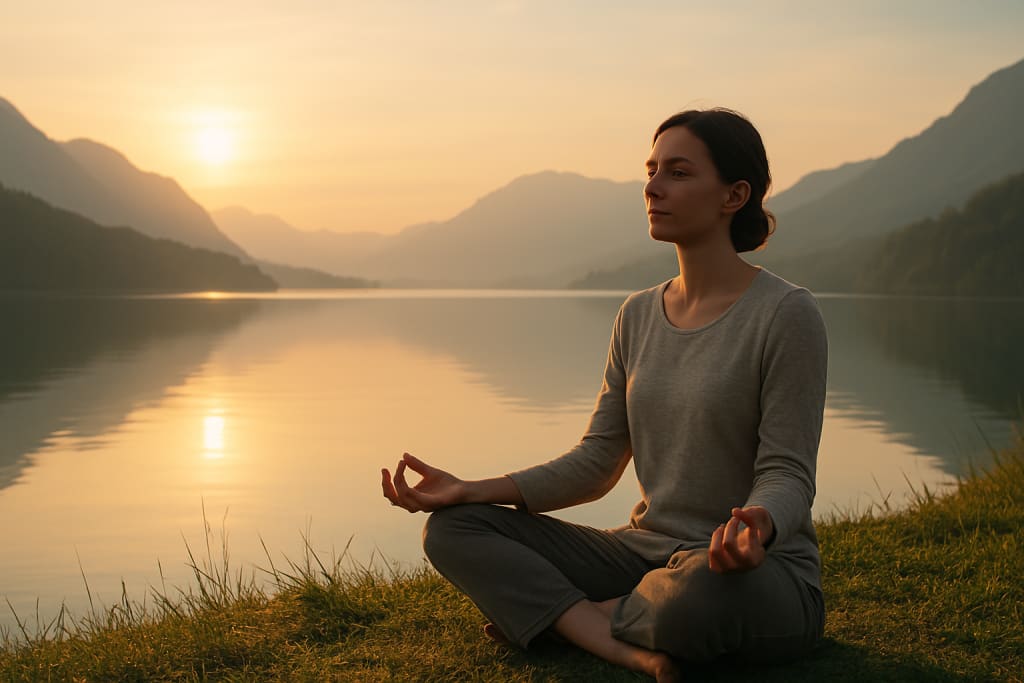
In today’s fast-paced world, stress and anxiety have become all too common. Whether it’s work pressures, personal struggles, or simply the demands of daily life, many people find themselves overwhelmed by stress on a regular basis. But what if you could combat these feelings in just 10 minutes a day? While there’s no quick fix for anxiety, incorporating short yet powerful practices into your routine can make a significant difference in how you manage stress. Here are some simple yet effective techniques to help you regain control and find inner peace in just 10 minutes a day.
1. Deep Breathing Exercises: Calm Your Nervous System
One of the simplest ways to reduce stress and anxiety is through deep breathing. Stress activates the body's fight-or-flight response, causing an increase in heart rate and shallow breathing. By focusing on your breath, you can activate the parasympathetic nervous system, which helps to calm your body and mind.
How to do it:
Sit or lie down in a comfortable position.
Close your eyes and take a deep breath in through your nose for a count of four.
Hold your breath for a count of four.
Slowly exhale through your mouth for a count of four.
Repeat for 5–10 minutes, focusing on your breath and allowing any tension to melt away.
This simple practice can quickly help you feel more grounded and relaxed, even on your busiest days.
2. Mindful Meditation: Clear Your Mind and Reset
Meditation doesn’t require hours of practice to be effective. In fact, just 10 minutes of mindfulness can help reduce anxiety and improve your emotional well-being. By focusing on the present moment, you can break the cycle of negative thinking that fuels stress and anxiety.
How to do it:
Find a quiet space where you won’t be disturbed.
Sit comfortably and close your eyes.
Focus on your breath, the sensations in your body, or even a simple mantra (a word or phrase you repeat to yourself).
Whenever your mind begins to wander, gently bring your focus back to your breath or mantra.
Aim for 5-10 minutes of uninterrupted practice.
This mindful practice can help you stay in the present moment, reducing the constant worry about the past or future that can contribute to anxiety.
3. Progressive Muscle Relaxation (PMR): Release Tension
Stress often manifests physically in the body, especially in the form of tight muscles. Progressive Muscle Relaxation (PMR) is a technique that involves tensing and then relaxing different muscle groups to help reduce physical tension and promote relaxation.
How to do it:
Start by sitting or lying down in a comfortable position.
Close your eyes and take a deep breath.
Starting from your feet, tense each muscle group for 5–10 seconds, then relax them for 20 seconds.
Move up through your body, tensing and relaxing each muscle group (legs, abdomen, arms, shoulders, neck, and face).
Focus on the sensation of relaxation in each muscle group.
This exercise helps you release the physical symptoms of stress and can provide immediate relief from tension.
4. Journaling: Release Your Thoughts
Writing is a therapeutic way to release emotions and clear your mind. Journaling for just 10 minutes a day can help you process your thoughts and make sense of the worries that are causing stress. It allows you to reflect on what’s bothering you and offers a safe space to vent without judgment.
How to do it:
Set aside 10 minutes each day to write in a journal.
Write about what’s on your mind, any sources of anxiety, or simply how you’re feeling in the moment.
Don’t worry about grammar or structure—this is for your eyes only.
If you’re unsure where to start, try writing prompts like “What’s causing me stress right now?” or “What am I grateful for today?”
Journaling can help you process emotions, gain clarity, and reduce the overwhelming feeling of having too much on your mind.
5. Physical Movement: Get Your Body Moving
Exercise is a well-known stress buster, and even just a few minutes of physical movement can help release built-up tension and improve your mood. You don’t need to hit the gym for hours—short bursts of activity can make a big difference.
How to do it:
Try quick exercises like jumping jacks, stretching, yoga poses, or a brisk walk.
If you prefer something more relaxing, yoga or tai chi are excellent options for reducing stress and calming the mind.
Focus on the movement, breathing deeply as you stretch and move.
Even 10 minutes of movement can boost your mood and help you feel more energized and in control.
6. Aromatherapy: Soothe Your Senses
Certain scents have been shown to reduce stress and promote relaxation. Essential oils like lavender, chamomile, and eucalyptus have calming properties that can help ease anxiety.
How to do it:
Use a diffuser to release calming scents into the air.
Alternatively, add a few drops of essential oil to a cotton ball or a tissue and inhale deeply.
You can also add a few drops of oil to your pillow or bathwater for added relaxation.
Aromatherapy provides a sensory experience that can quickly calm your nerves and promote relaxation in just a few minutes.
Conclusion: Your Path to Calm in Just 10 Minutes
By dedicating just 10 minutes each day to stress-relieving techniques like deep breathing, mindfulness, or journaling, you can significantly reduce feelings of anxiety and regain a sense of control over your emotions. While these practices won’t eliminate stress entirely, they provide an effective way to manage it and improve your mental well-being. Give yourself the gift of 10 minutes of peace every day, and feel the benefits in both your mind and body.
About the Creator
Gift Abotsi
From diving into the psyche to unraveling the secrets of longevity, and crafting everything from spine-chilling horror to mind-bending fiction—I write it all! Stay tuned for more twists, turns, and stories you won’t want to miss!
Keep reading
More stories from Gift Abotsi and writers in Longevity and other communities.
5 Morning Habits That Will Change Your Life Forever
Mornings set the tone for the rest of your day. The way you spend the first few hours after waking up can either empower you or leave you feeling sluggish and unproductive. If you’re tired of feeling rushed, unfocused, or constantly behind schedule, it’s time to adopt a morning routine that fuels success.
By Gift Abotsi 10 months ago in Longevity
Day 4 of Quitting
If this is how sobriety feels, maybe it’s better to go through life a little buzzed… this, along with other hits like, I want to kill myself, I wish I was dead, and I’m going to throw myself off a bridge have been the only thoughts on rotation these past few days. I promise myself that if, in a month, I still feel like this (‘this’ meaning despondent, full of rage, and simultaneously numb) I can go back to smoking. Until mid-February though? Nicotine is off the table.
By sleepy drafts12 days ago in Longevity
Bacterial Skin Infections
Introduction: When it comes to skin irritation, not every one of them is a simple rash. There are some bacteria that can enter the skin through tiny cuts and hair follicles. These bacteria include Staphylococcus aureus (Staph) or Streptococcus pyogenes (Strep) that can cause infections ranging from irritation and bothersome to dangerous.
By benjamin taylor6 days ago in Longevity
How to Succeed at the Benson Directory®
Congratulations and welcome to the Benson Directory® employee #22391! As our newest call handler, you will have the privilege of speaking with dozens of unique and interesting people on a daily basis as well as the opportunity to earn bonuses for high performance. Contained within this handbook you will find a set of ease to follow instructions designed to help you settle in to your new role and begin paving the way to success.
By S. A. Crawford2 days ago in Fiction




Comments
There are no comments for this story
Be the first to respond and start the conversation.