
How Milk and Cheese Influence Gut Health: New Research Reveals Surprising Microbiome Benefits
New Research Reveals Surprising Microbiome Benefits

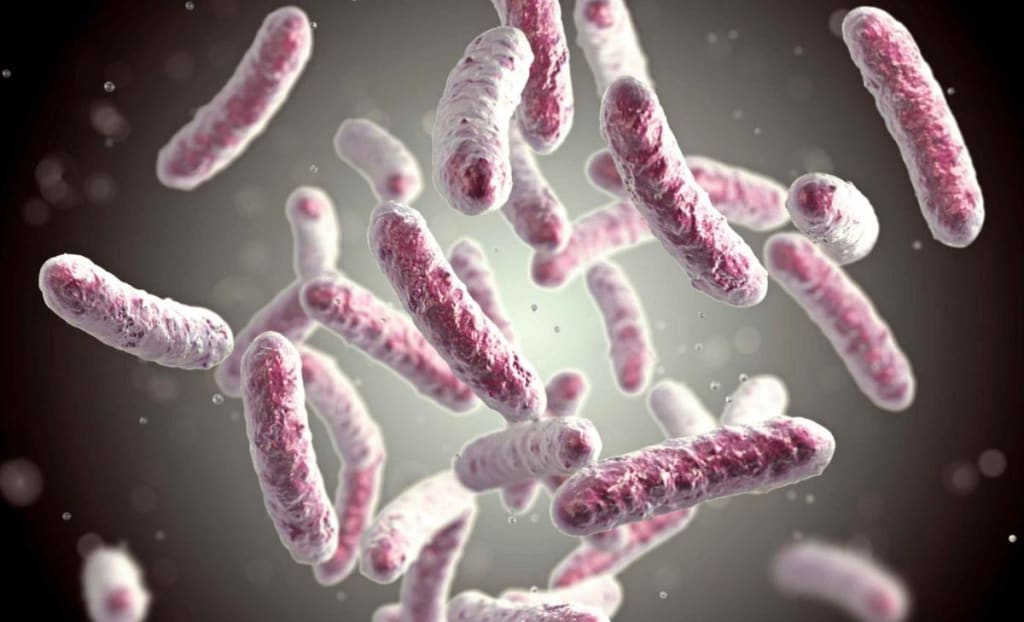
The Growing Connection Between Dairy and Gut Microbiome Health
Milk and cheese have long been dietary staples, praised for their calcium and vitamin D content. But new research led by Dr. Li Jiao from the Baylor College of Medicine shines a spotlight on a lesser-known benefit of dairy: its influence on gut microbiome diversity. According to findings published in Nutrients, milk consumption supports the growth of beneficial gut bacteria, while cheese may selectively reduce certain microbes tied to metabolic and intestinal health.
As interest in gut health rises, this research provides fresh insights into how common dairy products interact with our internal microbial ecosystem.
Understanding the Microbiome: Why It Matters
The gut microbiome refers to the trillions of microorganisms—bacteria, viruses, fungi—that reside in the digestive tract. These microbes play a vital role in nutrient breakdown, immune function, and overall health. A diverse microbiome is typically associated with improved digestion, reduced inflammation, and a stronger gut barrier.
Dairy products, particularly milk, appear to encourage this microbial diversity, making them more than just sources of essential nutrients. They may be active players in promoting gastrointestinal health
Milk and Beneficial Bacteria: A Positive Link
According to the study, milk intake is associated with a higher presence of several gut-friendly bacteria. Notably, researchers observed an increase in Faecalibacterium—a bacterium known for its anti-inflammatory properties—and Akkermansia, often linked to healthy metabolism and blood sugar regulation.
These bacteria are considered hallmarks of a balanced gut. Their increased abundance in response to milk consumption suggests that milk could help strengthen the intestinal environment and lower inflammation levels. Scientists believe the lactose and specific carbohydrates in milk may act as substrates that nourish these microbes.
Cheese and the Microbial Trade-Off
While milk showed benefits in expanding microbial diversity, cheese appeared to have more nuanced effects. The study revealed that cheese consumption was linked to a reduction in Bacteroides and Subdoligranulum, two genera of bacteria commonly found in the human gut.
Bacteroides, while typically harmless, can be associated with inflammatory bowel conditions in certain contexts. Subdoligranulum is believed to support metabolic processes, although its role remains less clearly defined.
The fermentation process used to make cheese alters its nutrient profile—lowering lactose while introducing new compounds. These changes might explain the distinct microbial outcomes compared to milk.
The Probiotic Puzzle: What About Yogurt?
Yogurt is often hailed as a top-tier probiotic food, yet this study did not find significant microbiome changes associated with its consumption. The primary reason? Study participants reported very low yogurt intake, making it difficult to draw meaningful conclusions.
Researchers suggest that more comprehensive future studies should examine yogurt's effects with a broader sample and higher intake levels. Given yogurt’s fermented nature, it’s plausible that it could have microbiome-enhancing effects similar to, or distinct from, milk and cheese.
Dairy Intake and Digestive Health: Tailoring the Approach
Milk contains more lactose, a sugar that certain gut microbes use as fuel, potentially explaining its broader microbiome influence. Cheese, being fermented, provides different compounds that might affect the gut in unique ways. This variety in nutrient composition underscores the importance of personalized dairy choices.
Health experts advise that dairy recommendations should consider individual factors like age, digestive health, and lactose tolerance. The U.S. dietary guidelines suggest about three cups of dairy daily, but many individuals fall short of this target. For some, increasing milk intake could be a simple way to diversify their gut microbiota and support long-term digestive well-being.
Study Limitations: Small Sample, Big Implications
Despite its promising findings, the study comes with important caveats. It involved only 34 older male participants, limiting the ability to generalize results across age groups, genders, or ethnic backgrounds. Moreover, reliance on self-reported food frequency questionnaires can lead to inaccuracies, as participants may not recall or report their dietary habits reliably.
Still, these preliminary results highlight a compelling link between dairy intake and microbial health, laying the groundwork for larger and more inclusive studies in the future.
Personalized Nutrition: The Future of Dairy and Gut Health
As nutritional science evolves, the focus is shifting from one-size-fits-all dietary guidelines to individualized recommendations based on factors like microbiome composition. This study contributes to that conversation, suggesting that the type of dairy consumed may be just as important as the quantity.
Rather than broadly recommending more dairy, future dietary advice may delve into which forms—milk, cheese, yogurt—offer the most gut-friendly benefits depending on a person’s unique digestive profile.
Final Thoughts: Milk and Microbes, More Connected Than We Thought
The link between dairy consumption and gut microbiome composition is more intricate than previously understood. Milk appears to promote beneficial bacteria associated with gut health, while cheese may influence other microbes with mixed implications. Though yogurt's role remains unclear, it’s a reminder that not all dairy impacts the gut in the same way.
With growing evidence connecting food choices to gut diversity, these findings open up exciting opportunities for using diet as a tool to improve health. As Dr. Jiao puts it, “Dairy consumption may influence host health by modulating the structure and composition of the colonic adherent gut microbiota.”
In the future, dietary plans might routinely incorporate microbiome insights, helping individuals choose the right types of dairy for optimal digestive and metabolic wellness.
About the Creator
🍂🍂🍂.
Research on geopolitics
Day 4 of Quitting
If this is how sobriety feels, maybe it’s better to go through life a little buzzed… this, along with other hits like, I want to kill myself, I wish I was dead, and I’m going to throw myself off a bridge have been the only thoughts on rotation these past few days. I promise myself that if, in a month, I still feel like this (‘this’ meaning despondent, full of rage, and simultaneously numb) I can go back to smoking. Until mid-February though? Nicotine is off the table.
By sleepy drafts11 days ago in Longevity
STD Self-Testing Market Size and Forecast 2025–2033
Introduction: A Quiet Revolution in Sexual Health The way people approach sexual health is undergoing a significant transformation. Once bound by social stigma, long clinic wait times, and concerns over privacy, diagnostic testing for sexually transmitted diseases (STDs) is increasingly moving into the home. At the center of this shift is the rapidly expanding STD self-testing market, which empowers individuals to screen for infections in a private, convenient, and accessible manner.
By Janine Root 5 days ago in Longevity


Comments (1)
Fascinating! Didn't know dairy had such an impact on gut bacteria. Gonna keep an eye on my intake.