
How I Got an ECG at Home Without a Referral (and Why I’m Glad I Did)
What It Was Like, What I Learned, and Why I’d Do It Again
It started in the middle of the night, which is always the worst time for something to go wrong. I’d just turned over in bed when I felt a thump in my chest—like my heart had skipped, then scrambled to catch up. I lay there, suddenly wide awake, counting beats that felt all over the place.
Over the next week, it kept happening. Not constantly, but enough. There were dizzy spells too, and a kind of dragging fatigue I couldn’t explain away with coffee or sleep. I rang my GP, hoping for reassurance. The earliest appointment? Three weeks, and that was just to talk about the symptoms.
So I started digging.
While looking into heart rhythm issues, I stumbled across something I didn’t know was even possible: you can now get an ECG at home, no referral needed, no long waits. I found a service online that sends a monitor straight to your door. That was the moment I thought—this might actually be the answer.
Looking for Options
I didn’t grow up thinking much about heart health. But when your chest starts flipping like a fish and you’ve got a toddler tugging at your leg, you realise pretty quickly that not knowing is worse than knowing.
I googled “what does an ECG test show” and learned that it checks the electrical activity of your heart. It can pick up rhythm problems like AFib or other irregularities that might be causing symptoms like mine.
That’s when I found a service offering an ECG at home. You don’t need a GP referral. No queue. Just fill in a quick form, choose your wear time, and they post the kit to you.
Honestly, I was skeptical at first. Was it legit? Was it safe? But the more I read, the more it made sense—especially since I didn’t want to sit around for three weeks wondering if my next flutter was something serious.
What the Home ECG Experience Was Like
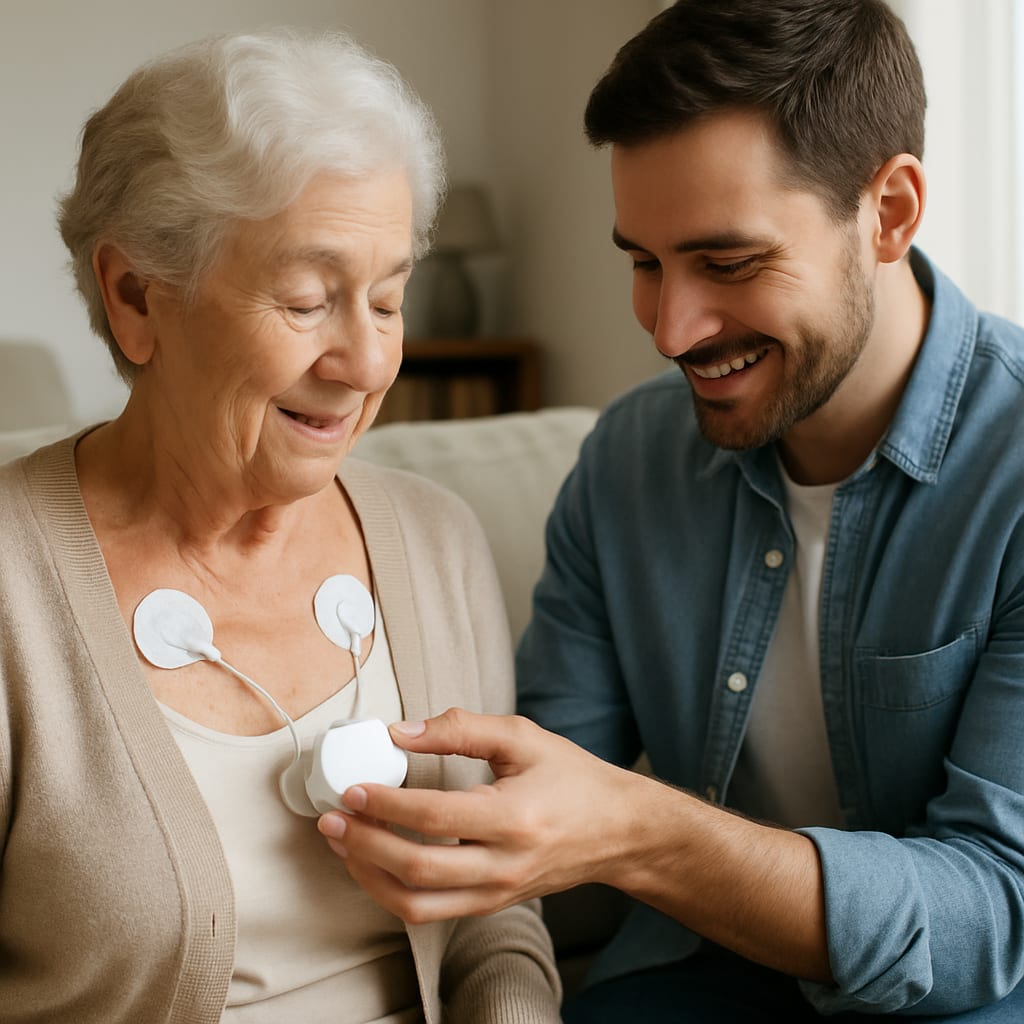
The device arrived two days after I ordered it. The packaging was neat and the instructions were clear—no confusing tech speak. Inside was a lightweight monitor, a set of sticky pads, and a little guide showing exactly where to place them.
I opted to wear it for three days. That gave it enough time to catch anything unusual, especially since my symptoms were off and on. Alongside the monitor, I kept a short symptom diary as suggested. Just quick notes like “felt fluttery around 10:30am” or “dizzy after lunch.” Nothing fancy, but it helped match my experience with the data.
The monitor didn’t get in the way. I wore it under my clothes and forgot it was there most of the time. At night, I even slept better knowing something was keeping an eye on things.
When the three days were up, I peeled it off, popped everything back in the pre-paid return envelope, and dropped it off at the post office. That was it—no hassle, no travel, no surgery waiting room.
The Results Came Fast
I expected to wait a while. I figured someone would have to sift through all that data. But within 72 hours, I had a report in my inbox.
It wasn’t just a graph and some jargon. A real cardiologist had reviewed it and explained what they’d seen. They noted a few benign irregularities—nothing dangerous, but definitely worth keeping an eye on. The good news was, nothing required emergency action.
I sent the report to my GP (once I finally got that appointment), and it changed the conversation entirely. Instead of starting from scratch, we had something real to work from. He was actually impressed—told me it saved him time and probably helped me avoid multiple NHS appointments just to reach the same point.
Most importantly, I felt calmer. I wasn’t lying awake anymore wondering if I should be worried.
Why I’d Recommend It
Here’s the thing: I didn’t skip the NHS. I still value it, deeply. But I didn’t want to wait weeks just to be told I might need a test sometime later. When something feels off with your body—especially your heart—you want answers, or at least direction.
Getting an ECG at home gave me both.
It was:
- Simple – no jargon, no faff
- Fast – less than a week from ordering to results
- Professional – reviewed by a cardiologist, explained in plain English
- Affordable – way less than I expected for private healthcare
I’d recommend it to anyone who feels stuck in limbo. Whether you’ve got palpitations, dizzy spells, or just a nagging worry, it’s a way to take control without feeling like you’re pushing for a referral or exaggerating your symptoms.
Final Thought
There’s a moment when you stop waiting and start acting. For me, it was that first night when my heart went rogue and I realised the NHS clock was ticking slower than my comfort allowed.
If you're feeling unsure about your heart, don’t wait for someone else to take it seriously.
This isn’t about skipping the system. It’s about using what’s available to get peace of mind, clarity, and care—on your terms.
And honestly? I’m so glad I did.
About the Creator
ECGatHome
At ECG At Home, our team has been delivering ECG tests for NHS patients for many years, so we understand how worrying it can be when you don’t know what’s wrong. That’s why we help you get accurate results and access to cardiology experts.
Keep reading
More stories from writers in Longevity and other communities.
Day 4 of Quitting
If this is how sobriety feels, maybe it’s better to go through life a little buzzed… this, along with other hits like, I want to kill myself, I wish I was dead, and I’m going to throw myself off a bridge have been the only thoughts on rotation these past few days. I promise myself that if, in a month, I still feel like this (‘this’ meaning despondent, full of rage, and simultaneously numb) I can go back to smoking. Until mid-February though? Nicotine is off the table.
By sleepy drafts18 days ago in Longevity
Common Foods and Drinks That Stain Your Teeth
A bright smile does more than look good. It helps you feel confident when you talk, laugh, and meet new people. Many patients are surprised to learn that everyday foods and drinks can slowly dull their smile, even when they brush and floss regularly. Knowing what causes stains is the first step toward keeping your teeth looking their best.
By Good health to everyone4 days ago in Longevity
The Path to Salvation
The late autumn evening air filled the monk's lungs, but it wasn't the season that chilled his bones. The heavy-handed presence of evil he had sensed upon entering the woods surrounding this mountain village had not bothered to conceal itself from him.
By Made in DNA3 days ago in Fiction


Comments
There are no comments for this story
Be the first to respond and start the conversation.