
How does your mental health boosts your body's immunity and resistance to diseases?
The relationship between mental health and immunity

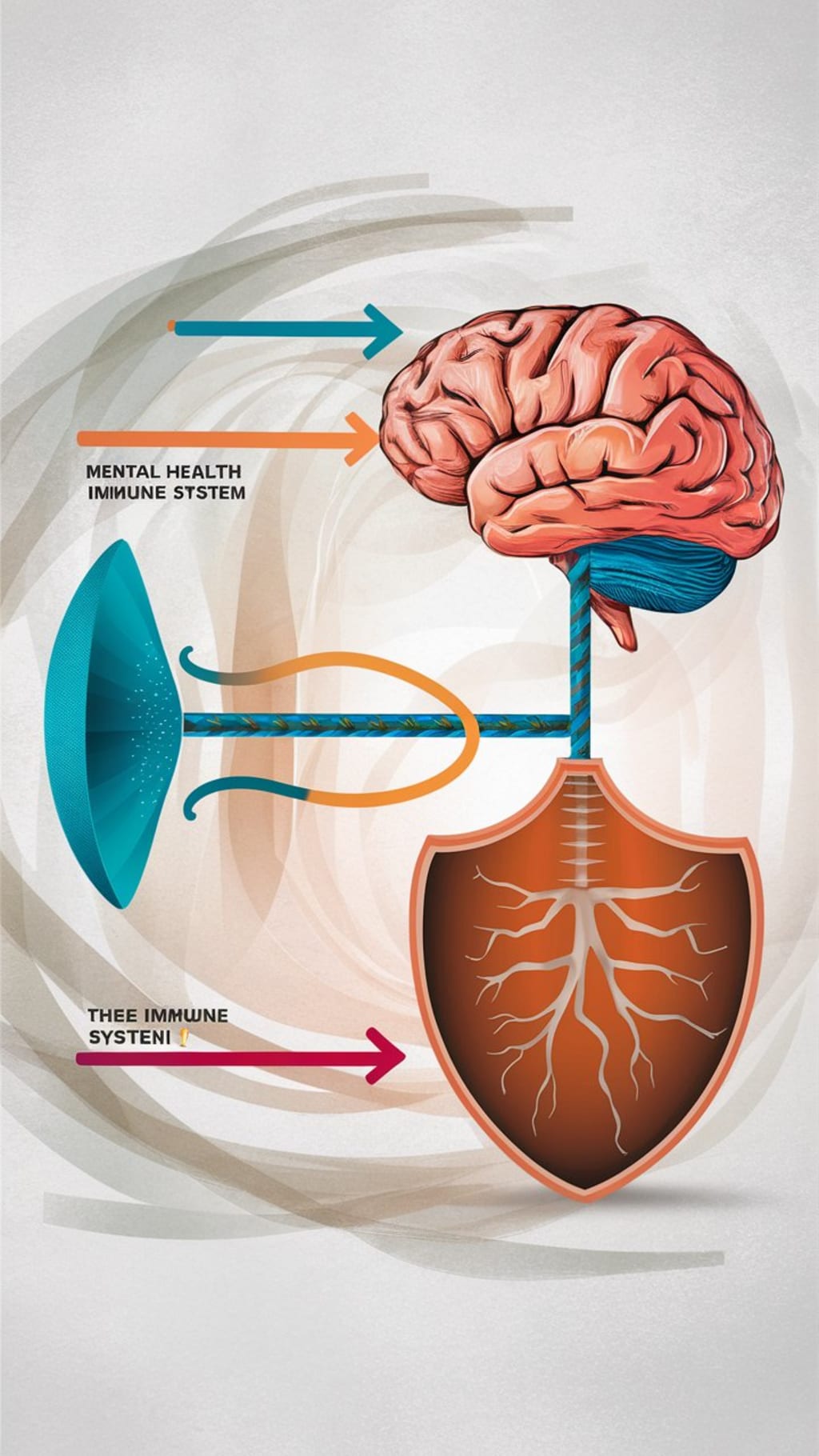
Indeed, your mental health enhances your body's immunity and resistance to diseases, as the body's immune system and mental health are not only vital to maintain, but they are more related to each other than you think, In general, many people feel a little mood swing when their health is not at its best, and psychological can affect some physical diseases as well.
The relationship between mental health and immunity
Sometimes when a person feels any fatigue, he tends to feel a little sad, and this may be due to the lack of sufficient energy or will to do the activities he wants or needs to do, and the reason for this is due to the communication between immune cells and brain cells, as the signals that travel between the two may affect the general perception and responses of the brain that are largely associated with depression and pain, when the body's immune system is affected, those signals are also affected and transferred, thus resulting in those familiar feelings of depression and a bad mood.
How does mental health affects the immune system?
Sometimes mental health has an impact on the immune system, as individuals with mental disorders tend to make people more susceptible to infections and diseases, and some Common side effects are physical stress, malnutrition, and changes in sleep. At the same time, all these factors negatively affect the immune system. System to work at full capacity, it is possible for something simple such as neglecting exercises or not eating healthy meals for a few days as a result of a bad mood to have an impact on The body's immune system in a big way.
How does stress affects the immune system?
There is a complex relationship between the immune system and stress, as the immune system knows when you are stressed and acts as the body's natural defender and is therefore sensitive to stress, especially if stress is chronic.
It is worth noting that stress and stress may reduce the number of natural killer cells or lymphocytes in the body, which are important in order to fight viruses, and some studies have found that stress can cause the immune system to produce an inflammatory response, which may be temporarily useful in fighting germs, however, if the inflammation is widespread and persistent, it can help in chronic diseases, including the accumulation of plaque on the walls of the arteries and many others. One of the problems that affect the heart.
Chronic stress can also produce higher levels of cortisol, which can hinder the body's anti-inflammatory response and lead to persistent inflammation.
The most important characteristics of a mentally healthy: personality
*They feel good about themselves.
*Don't be overwhelmed by emotions like fear, anger, love.
*They have lasting and satisfying personal relationships.
*They feel comfortable with others.
*They can laugh at themselves and others.
Despite differences, they respect one another and themselves.
*They have the ability to accept disappointments in life.
*They make their own decisions.
*They shape their environment whenever possible and adapt to it when necessary.
Being mentally or emotionally healthy is much bigger than being free from depression, anxiety, or any other psychological problems, as mental health indicates the presence of some positive characteristics, and the following is an explanation of them:
They feel good about themselves: because they accept who they are and do not live their lives according to what people think or feel about them, they also realize that self-compassion is very important in life and growth, in addition to that what others think does not matter to them.
Don't be overwhelmed by emotions such as fear, anger, love: they understand that emotions cannot be controlled, but how emotions react can be controlled by focusing on thoughts, and also that wanting to control emotions at all times is a losing battle no matter how hard you try.
They have lasting and fulfilling personal relationships: Whatever time is spent improving their mental and emotional health, they still need to accompany others to feel their best.
They feel comfortable with others: They understand the differences between human beings, so people with good mental health are very comfortable with others, do not need to convince others, behave differently, or try to be other people, and therefore accept them fully and feel comfortable with them as they are.
They can laugh at themselves and others: People with good mental health don't take themselves seriously, because they understand that laughing at their mistakes boosts their physical and mental health, they understand that people who can laugh at themselves tend to be more likely to "feel less satisfied and anxious," and people who don't worry are less likely to experience chronic stress.
They have respect for themselves and others even if there are differences: Mentally healthy people know that they should respect themselves and others even when there are differences, as they realize that respect is very important, and therefore means that you accept someone as they are, even if they are different from you or do not agree with them, and it is worth noting that respect builds feelings of trust, security and well-being.
They have the ability to accept disappointments in life: It is normal for disappointments to occur throughout life, and regardless of how we try to avoid those disappointments or plan more efficiently, they should know that life is not perfect, so everyone should be willing to accept life's flaws instead of giving disappointment the ability to negatively affect life permanently, as mentally healthy people understand that disappointments happen to everyone, so they accept them .They take the lesson to heart and carry on with their lives.
They make their own decisions: Mentally healthy people are ultimately responsible for their lives, they know that every decision they make helps them shape their reality, and those decisions multiply throughout life, creating the final destiny, and it must be known that no one else can be allowed to decide for us, it is often the smallest decisions that can change life forever, so you must learn how to make decisions and live with their results.
They shape their environment whenever possible and adapt to it when necessary: Mentally healthy people find that the environment is the invisible hand that shapes human behavior, they also believe in shaping the environment whenever possible and also learn how to adapt to it when needed, and if there is a desire to maximize the odds of success in life, there is a need for a person to work in an environment that helps accelerate results rather than hinder them.
About the Creator
Keep reading
More stories from reda hamouda and writers in Longevity and other communities.
Why does exercise reduce the risk of Alzheimer's disease?
Do you suffer from Alzheimer's disease? Regular exercise and staying Physical activity can help protect the structure and function of our brains as we age, meaning it can reduce the chances of developing certain neurodegenerative conditions, such as Alzheimer's disease.
By reda hamoudaabout a year ago in Longevity
Day 4 of Quitting
If this is how sobriety feels, maybe it’s better to go through life a little buzzed… this, along with other hits like, I want to kill myself, I wish I was dead, and I’m going to throw myself off a bridge have been the only thoughts on rotation these past few days. I promise myself that if, in a month, I still feel like this (‘this’ meaning despondent, full of rage, and simultaneously numb) I can go back to smoking. Until mid-February though? Nicotine is off the table.
By sleepy drafts12 days ago in Longevity


Comments (1)
Thanks for sharing