
How Does Osteopathy Work? A Step-by-Step Look at This Hands-On Therapy
Osteopathy Explained: How This Hands-On Therapy Supports Healing
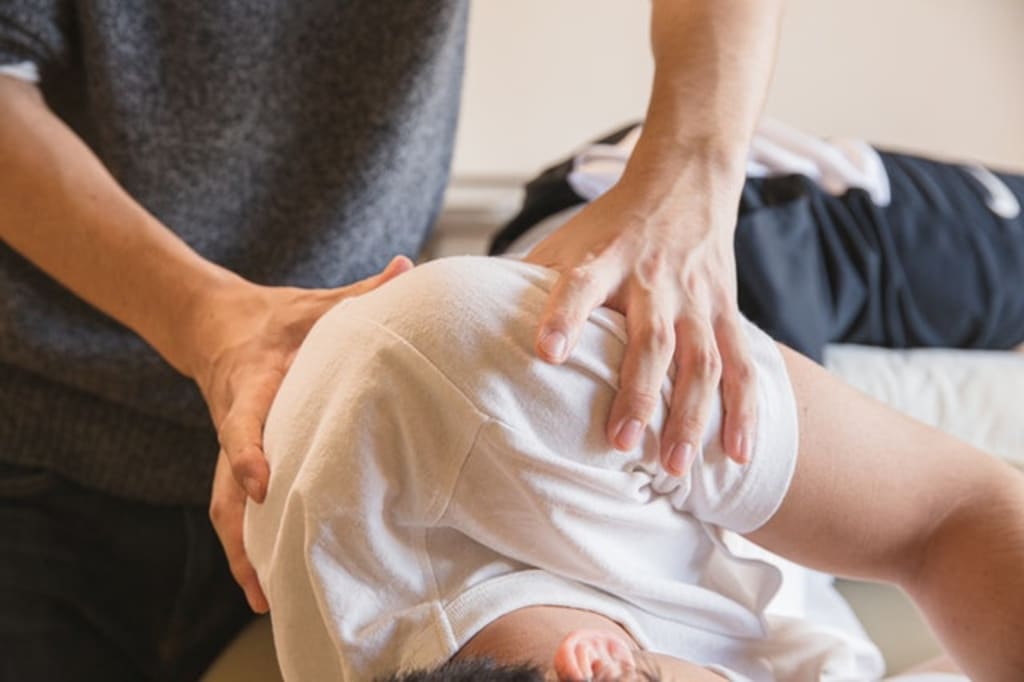
Osteopathy is a hands-on treatment that focuses on improving overall health by caring for the whole body. Osteopaths use gentle movements, stretching, and pressure to improve flexibility, ease pain, and restore balance. This approach is based on the idea that the body can heal itself when its structure and function work properly.
By working on muscles, joints, and the spine, osteopathy helps treat different conditions without the need for medicine or surgery.
Understanding the Core Principles of Osteopathy
Osteopathy is based on the idea that the body's structure and movement work together. When bones, muscles, or joints are not in the right position, it can cause pain, stiffness, and limited movement. Osteopaths find these issues and help the body move naturally again to support healing. Some important principles include:
- The body has a natural ability to heal itself when properly supported.
- Structure and function are deeply linked, meaning that physical imbalances can affect overall health.
- Treating the root cause of discomfort is more effective than just addressing symptoms.
Step-by-Step Breakdown of an Osteopathy Session
1. Initial Consultation and Assessment
Every osteopathy session begins with an in-depth consultation where the practitioner discusses medical history, lifestyle, and current health concerns. This step helps in understanding the root cause of the issue rather than just treating the symptoms.
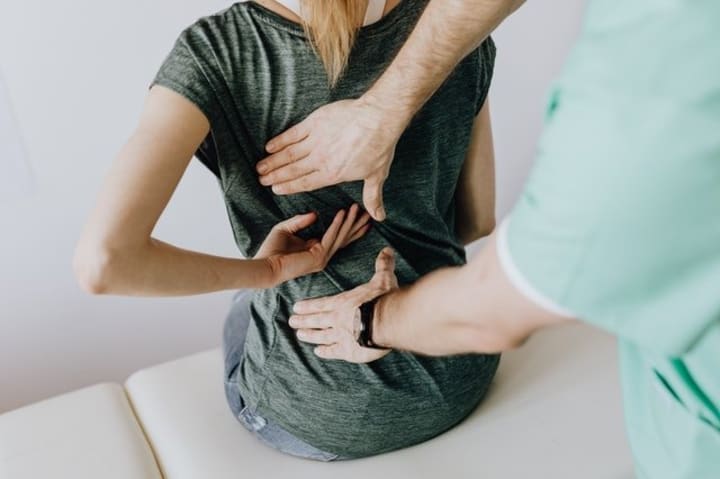
A physical examination follows, during which the osteopath assesses posture, movement, and areas of tension or discomfort.
2. Diagnosis and Treatment Plan
After the assessment, the osteopath explains the findings and creates a personalized treatment plan. This plan may involve multiple sessions focusing on manual techniques, posture corrections, and lifestyle modifications to support long-term recovery.
3. Hands-On Techniques for Treatment
Osteopathy primarily involves hands-on techniques to address musculoskeletal issues. These techniques include:
- Soft Tissue Manipulation: Helps release muscle tension, improve circulation, and reduce pain.
- Joint Mobilization: Enhances flexibility and restores normal movement in stiff joints.
- Spinal Manipulation: Aims to correct misalignments that could be causing discomfort or restricting movement.
- Myofascial Release: Focuses on relieving tightness in the connective tissues to improve mobility.
4. Addressing Lifestyle and Posture
Along with manual therapy, osteopaths often provide guidance on posture, exercises, and daily activities. These recommendations help maintain progress and prevent future issues. Simple changes like adjusting sitting positions, improving workspace ergonomics, or incorporating stretching exercises can make a significant difference.
5. Monitoring Progress and Follow-Up Sessions
Osteopathy is a gradual healing process. Follow-up sessions are usually scheduled based on the patient’s progress and needs. During these sessions, the osteopath assesses improvements, modifies treatments, and provides additional guidance to ensure continued recovery.
Conditions That Osteopathy Can Help With
Osteopathy is used to treat a wide range of conditions, including:
- Back and Neck Pain: Helps relieve stiffness and improve spinal alignment.
- Joint Pain and Arthritis: Enhances mobility and reduces discomfort.
- Sports Injuries: Aids in faster recovery and prevents recurring injuries.
- Headaches and Migraines: Addresses muscle tension and misalignments that may contribute to pain.
- Digestive Issues: Some osteopathic techniques can improve digestion by reducing tension in the abdominal muscles.
The Benefits of Osteopathy
Osteopathy offers multiple benefits beyond pain relief. Some of the key advantages include:
- Non-Invasive Approach: Uses manual therapy rather than medication or surgery.
- Holistic Healing: Treats the entire body rather than just focusing on symptoms.
- Improved Mobility: Enhances movement and flexibility by addressing muscle and joint restrictions.
- Stress Reduction: Relieves physical tension, promoting relaxation and overall well-being.
Final Thoughts
Osteopathy is a natural, hands-on treatment that helps the body heal by improving movement, reducing pain, and enhancing overall function. Instead of only treating symptoms, it focuses on finding and addressing the main cause of discomfort.
This approach supports long-term health and well-being. It is an effective option for managing chronic pain, recovering after an injury, or improving posture and flexibility through personalized care.
About the Creator
Osteo Tuina
We specialize in holistic healing through osteopathy and therapeutic massage. Our Registered Massage Therapist in Toronto delivers personalized care to enhance your well-being and recovery.
Keep reading
More stories from Osteo Tuina and writers in Longevity and other communities.
8 Warning Signs You’re Getting the Wrong Massage Therapy—And How to Fix It!
Massage Therapy should help you relax, reduce tension, and ease pain. However, not all massage sessions provide the right care. A bad massage can cause discomfort, pain, or even injury. If you feel worse after your session instead of better, the treatment may not be of good quality.
By Osteo Tuina10 months ago in Longevity
Day 4 of Quitting
If this is how sobriety feels, maybe it’s better to go through life a little buzzed… this, along with other hits like, I want to kill myself, I wish I was dead, and I’m going to throw myself off a bridge have been the only thoughts on rotation these past few days. I promise myself that if, in a month, I still feel like this (‘this’ meaning despondent, full of rage, and simultaneously numb) I can go back to smoking. Until mid-February though? Nicotine is off the table.
By sleepy drafts19 days ago in Longevity
Global Dialysis Market Size and Forecast 2025–2033: Lifeline Technology in a World Facing a Kidney Health Crisis
Introduction: Dialysis at the Center of a Growing Global Health Emergency The global healthcare system is facing a silent but rapidly escalating crisis: the rising burden of chronic kidney disease (CKD) and end-stage renal disease (ESRD). As diabetes, hypertension, aging, and lifestyle-related disorders increase worldwide, dialysis has become a life-sustaining necessity for millions of patients.
By Sushant. Renub Research6 days ago in Longevity


Comments
There are no comments for this story
Be the first to respond and start the conversation.