
Hidden nutrition master in the vegetable industry
Nutrition master

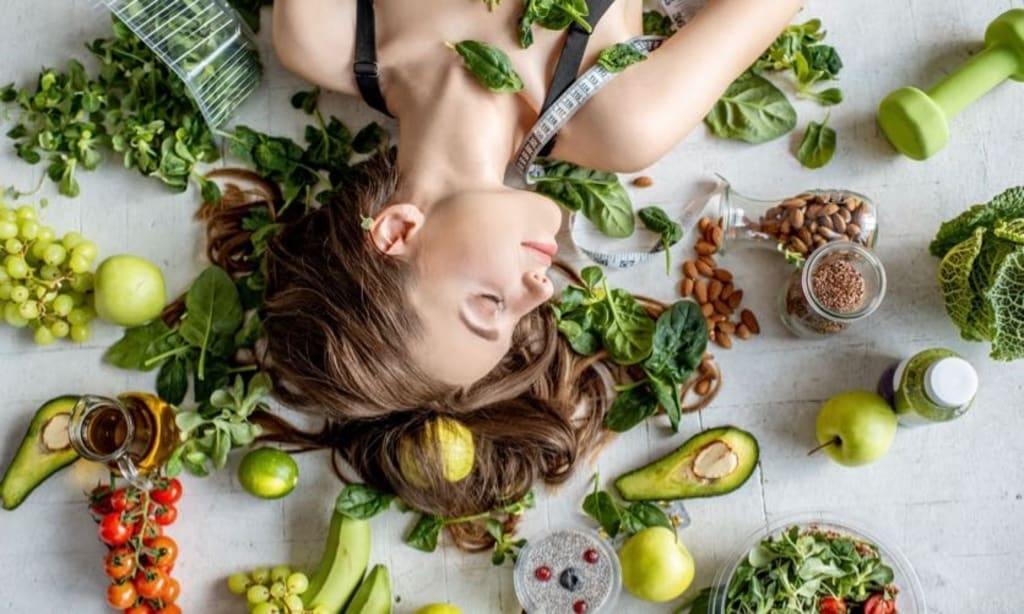
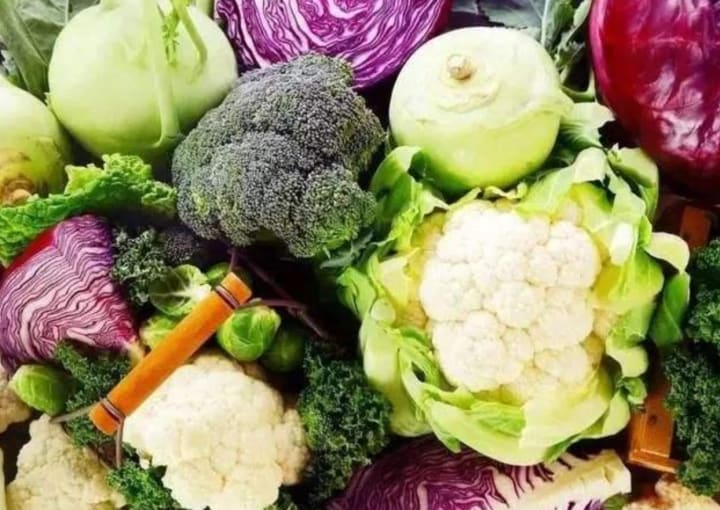
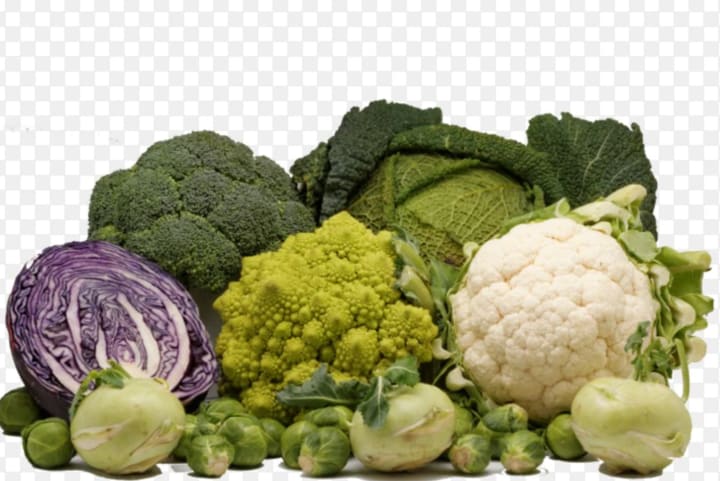
There is a category of vegetables, which can be called the "Hermes" of the vegetable industry. They are highly praised by various healthy diet guides around the world. They have simple cooking process and high-quality dishes. In recent years, more and more studies have confirmed the various benefits of these vegetables, including many antioxidants, nutrients and sulfur compounds. This is cruciferous vegetables, including broccoli, broccoli, cabbage, cabbage, radish, purple cabbage, Brussels sprouts, arugula, kale, etc.
Raw food is more nutritious than cooked food
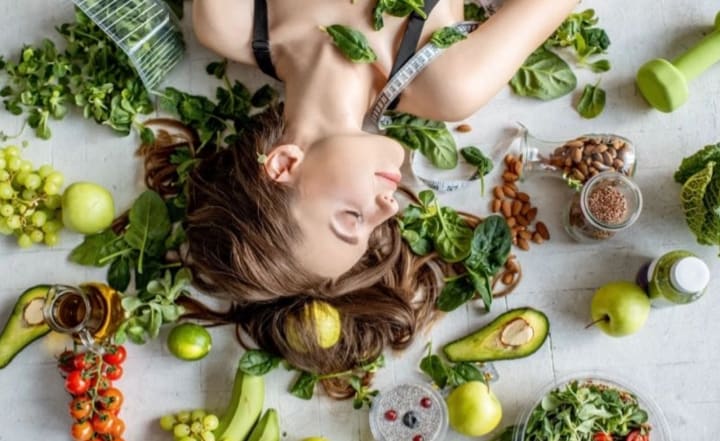
Cruciferous vegetables are rich in dietary fiber, vitamin A, vitamin K, vitamin C, potassium and phytochemicals, especially sulfur-containing compounds such as glucosinolates.
Brassica glucosinolate is a kind of glucosinolate in cruciferous vegetables. It undergoes a series of metabolic processes to become indole-3-carbinol with various benefits. Cooking will slow down or even stop the conversion process, so eating raw can get more indole-3-methanol than eating cooked. At the same time, the cooking process will also reduce the content of water-soluble vitamins such as vitamin C in vegetables. However, cooking is not useless, some antioxidants will increase with cooking.
Inventory of six health benefits
First, help control inflammation
Chronic inflammation is believed to be the root cause of many health problems, such as heart disease, diabetes, obesity and tumors. Systemic inflammation is involved in the occurrence of various autoimmune diseases, including rheumatoid arthritis, type 1 diabetes, multiple sclerosis and inflammatory bowel disease. Studies have found that a higher intake of cruciferous vegetables is related to a decrease in inflammatory markers, including tumor necrosis factor alpha, interleukin-1 beta and interleukin 6. Its efficacy may be derived from the fact that cruciferous vegetables are rich in antioxidants, including β-carotene, vitamin C, kaempferol, indole-3-carbinol, etc., which can prevent oxidative stress, resist free radical damage, and prevent the occurrence of diseases .
Second, assist in the prevention of tumors
Some studies have shown that regular intake of cruciferous vegetables can reduce the incidence of gastric cancer, colorectal cancer, and lung cancer. The reduced risk of cancer may be related to some anti-cancer substances contained in cruciferous vegetables, such as selenium and glucosinolate hydrolyzed compounds.
Third, help control blood sugar
Some studies have found that a higher intake of cruciferous vegetables is associated with a lower risk of type 2 diabetes. Compared with consuming 0.2 servings of cruciferous vegetables per day, 1.35 servings per day can reduce the risk of diabetes by 14%. In addition, cruciferous vegetables are not only rich in dietary fiber, can slow the absorption of blood sugar, it also contains many antioxidants and other unique compounds, which can promote blood sugar control.
Fourth, help prevent obesity
Cruciferous vegetables also play an important role in healthy weight loss. A large meta-analysis found that a serving of cruciferous vegetables per day is associated with significant weight loss. Excluding the control of exercise and other dietary factors, a single serving of cruciferous vegetables per day can make people lose an average of 0.6 kg in 4 years.
Fifth, help maintain heart health
Eating cruciferous vegetables can also reduce the incidence and mortality of cardiovascular diseases. In a study, it was found that the group that consumed the most cruciferous vegetables had a 15.8% lower risk of cardiovascular disease than the group that consumed the least. In addition, some cruciferous vegetables can also improve blood lipids to enhance heart health and reduce the risk of heart disease. A study found that when men drank 150 mL of kale juice every day for 12 weeks, good HDL cholesterol increased by 27%, bad LDL cholesterol decreased by 10%, and plasma atherosclerosis index decreased by 24.2%.
Sixth, help maintain endocrine balance
Because it contains indole gluconate, cruciferous vegetables and their extracts also have anti-estrogen effects, especially indole-3-methanol, which can increase the excretion of estrogen in the urine to balance the hormone levels in the body. Estrogen itself plays an important physiological role in women's body, but its metabolites have some other functions. For example, the phase I metabolism of estradiol involves a series of hydroxylation, and some specific hydroxyl compounds will act on cytochromes. Enzymes are involved in the occurrence of breast cancer and other hormone-related cancers.
Patients with thyroid disease need to eat carefully
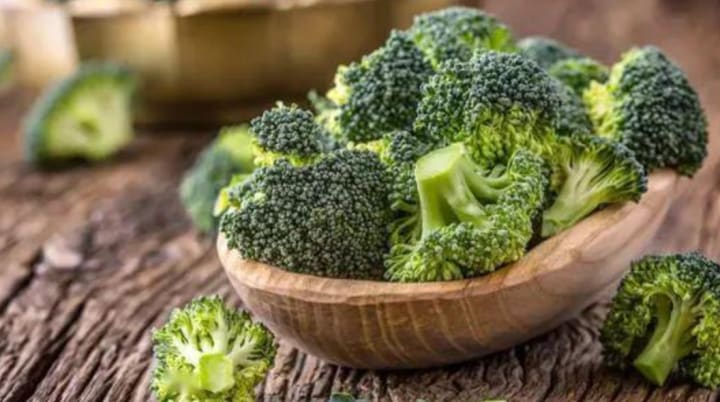
Although cruciferous vegetables have many benefits, some patients with thyroid diseases (such as hypothyroidism and Hashimoto’s thyroiditis) are advised to avoid them as much as possible, because cruciferous vegetables contain substances that promote goiter, which can inhibit The iodine intake of the thyroid interferes with the function of the thyroid. However, in recent years, studies have found that patients with thyroid disease can also consume cooked cruciferous vegetables in moderation, because goiter stimulating substances only affect people with iodine deficiency and excessive intake of cruciferous vegetables (a few servings per day) People, and cooking will reduce the release of active thyroid-stimulating substances.
In addition, some people who eat cruciferous vegetables will have gastrointestinal symptoms, such as gas, bloating, and abdominal discomfort. This is because cruciferous vegetables are usually rich in dietary fiber and raffinose, which cause colon after intestinal fermentation. The gas increases. Drinking plenty of water, slowly increasing intake and chewing slowly can alleviate gastrointestinal symptoms caused by excessive dietary fiber. Alpha-galactosidase can break down gas-producing complex carbohydrates like raffinose.
About the Creator
Keep reading
More stories from writers in Longevity and other communities.
Day 4 of Quitting
If this is how sobriety feels, maybe it’s better to go through life a little buzzed… this, along with other hits like, I want to kill myself, I wish I was dead, and I’m going to throw myself off a bridge have been the only thoughts on rotation these past few days. I promise myself that if, in a month, I still feel like this (‘this’ meaning despondent, full of rage, and simultaneously numb) I can go back to smoking. Until mid-February though? Nicotine is off the table.
By sleepy drafts23 days ago in Longevity
One Hard Thing
Stop me if you’ve heard this one before: You have the number, you know your schedule- you’ve even picked out the perfect day and time to make this appointment. Shoot, you’ve even picked out alternative days and times just in case their schedules can’t accommodate you!
By Taylor Rigsby5 days ago in Motivation




Comments
There are no comments for this story
Be the first to respond and start the conversation.