

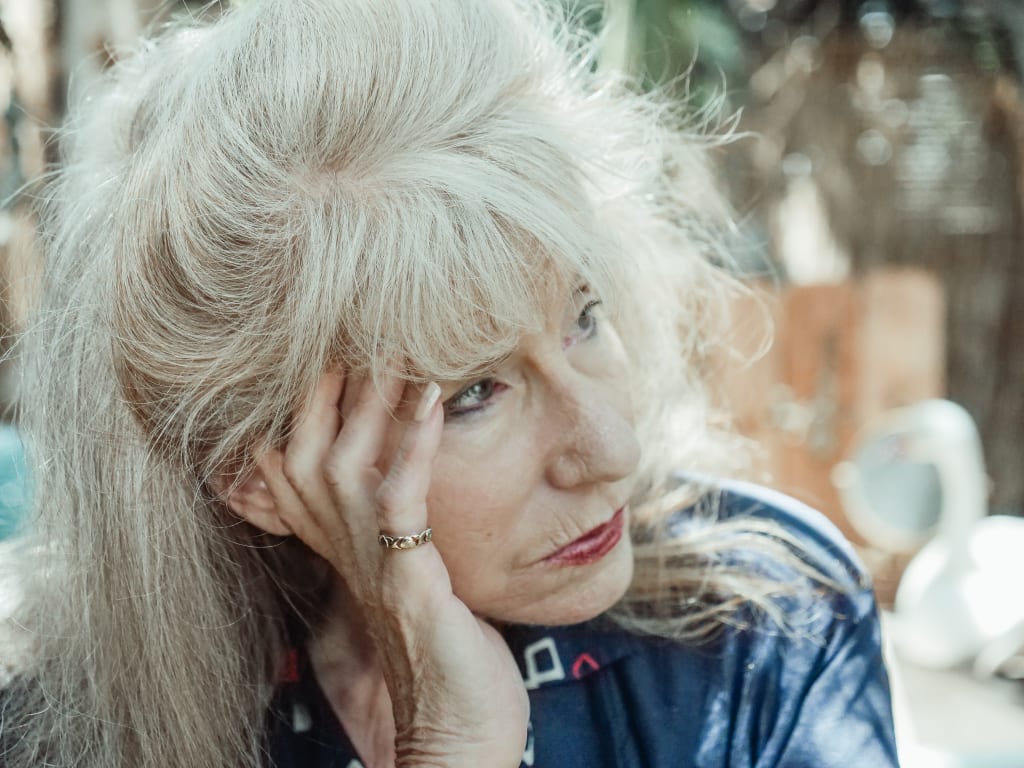
Hair Loss in Women: Causes, Treatments, and Prevention
Hair loss is a common problem that affects both men and women, but it can be particularly distressing for women. The cultural expectation is that women should have thick, luscious locks, and hair loss can be a blow to a woman’s self-esteem. In this article, we’ll take a closer look at the causes of hair loss in women, the available treatments, and some tips for preventing further hair loss.
Causes of Hair Loss in Women
There are several potential causes of hair loss in women, including:
1. Genetics: Hereditary hair loss, also known as androgenetic alopecia, is the most common cause of hair loss in women. It’s caused by a combination of genes and hormones and can start as early as a woman’s teenage years.
2. Hormonal Changes: Hormonal changes due to pregnancy, menopause, or thyroid imbalances can cause hair loss in women. Women who take birth control pills or hormone replacement therapy may also experience hair loss.
3. Medical Conditions: Certain medical conditions, such as alopecia areata, can cause hair loss in women. Alopecia areata is an autoimmune disorder that causes hair to fall out in patches.
4. Medications: Certain medications, such as chemotherapy drugs, can cause hair loss in women. Other medications, such as blood thinners and antidepressants, may also contribute to hair loss.
5. Nutritional Deficiencies: Nutritional deficiencies, particularly deficiencies in iron and protein, can cause hair loss in women.
Treatments for Hair Loss in Women
There are several treatments available for hair loss in women, including:
1. Topical Solutions: Minoxidil, also known as Rogaine, is a topical solution that can be applied to the scalp to promote hair growth. It’s available over-the-counter and is most effective when used in the early stages of hair loss.
2. Prescription Medications: Finasteride is a prescription medication that is used to treat hair loss in men, but it can also be effective in women. It works by blocking the production of a hormone that contributes to hair loss.
3. Hair Transplant: Hair transplant surgery involves taking hair from one area of the scalp and transplanting it to another. It’s a more invasive option and may not be suitable for everyone.
4. Wigs and Hairpieces: Wigs and hairpieces can be a temporary solution for women experiencing hair loss. They come in a variety of styles and colors and can be customized to fit the individual’s head.
Preventing Hair Loss in Women
There are several steps women can take to prevent further hair loss, including:
1. Eating a Balanced Diet: Eating a diet that’s rich in protein, iron, and other nutrients can help prevent hair loss.
2. Avoiding Tight Hairstyles: Tight hairstyles, such as braids and ponytails, can pull on the hair and contribute to hair loss.
3. Avoiding Harsh Chemicals: Harsh chemicals, such as those found in some hair dyes and straightening treatments, can damage the hair and contribute to hair loss.
4. Managing Stress: Stress can contribute to hair loss, so finding healthy ways to manage stress, such as exercise and meditation, can help prevent hair loss.
5. Taking Care of Your Scalp: Keeping your scalp clean and healthy can promote hair growth. Regularly washing your hair with a gentle shampoo can help keep your scalp clean and healthy.
Hair loss is a common problem that can be particularly distressing for women. The causes of hair loss can vary, but there are several treatments available, including topical solutions, prescription medications, hair transplants, and wigs.
Wigs for Women Experiencing Hair Loss
For many women, hair loss can be a devastating experience. It can affect their self-confidence and their quality of life. While there are various treatments and solutions available, some women may choose to wear wigs to help them feel more comfortable and confident.
Wigs come in different styles, colors, and materials, allowing women to choose the one that suits their preference and lifestyle. They can be made from natural human hair or synthetic fibers. Human hair wigs tend to be more expensive but offer a more natural look and feel, while synthetic wigs are more affordable and require less maintenance.
It is important to choose a wig that fits well and feels comfortable. A wig that is too tight or too loose can cause discomfort and irritation to the scalp. It is recommended to get a wig fitting from a professional to ensure a proper fit.
There are many different types of wigs available, including full wigs, partial wigs, and hairpieces. Full wigs cover the entire scalp, while partial wigs and hairpieces cover only a specific area. Some women may choose to wear hairpieces or clip-in extensions to add volume to their existing hair.
When it comes to caring for a wig, it is important to follow the manufacturer's instructions. Generally, wigs should be washed every 4-6 weeks with a mild shampoo and conditioner. It is also recommended to store the wig on a stand or in a wig box to help maintain its shape.
In addition to wigs, there are other hair accessories that can help women experiencing hair loss. Head scarves, hats, and turbans can provide a stylish and comfortable option for covering the head.
It is important to remember that there is no right or wrong way to deal with hair loss. Some women may choose to wear wigs or other hair accessories, while others may prefer to embrace their baldness or opt for a shorter hairstyle. It is a personal choice, and what matters most is feeling comfortable and confident in one's own skin.
Conclusion
Hair loss is a common and often emotional experience for women. Whether it is caused by genetics, illness, or other factors, there are various treatments and solutions available to help women feel more comfortable and confident. From medications to hair transplants to wigs and other hair accessories, women have many options to choose from. It is important to talk to a healthcare provider or a hair loss specialist to determine the underlying cause of hair loss and the best treatment options. Whatever option is chosen, the most important thing is to feel confident and comfortable in one's own skin.
About the Creator
Aitkins
Maintaining a healthy lifestyle can help prevent illness and disease
Amazon Savings Secrets for Disabled & Chronically Ill Shoppers
Disabled and chronically ill people often pay more for basic life: delivery fees, specialty items, replacements for things that break faster, and the constant “convenience tax” of needing things shipped because stores aren’t accessible.
By Tracy Stine5 days ago in Longevity
The Power of Black Coffee: Benefits, Nutrients, and Uses (Heath Tips)
Introduction: Black coffee is one of the most popular drinks in the world. Millions of people enjoy it every day, especially in the morning, because it helps them feel fresh, active, and focused.
By Health Tipsabout 21 hours ago in Longevity




Comments
There are no comments for this story
Be the first to respond and start the conversation.