
Gut Feeling: How Your Stomach Health Shapes Your Mood and Mind
The surprising gut-brain connection changing the future of mental health.
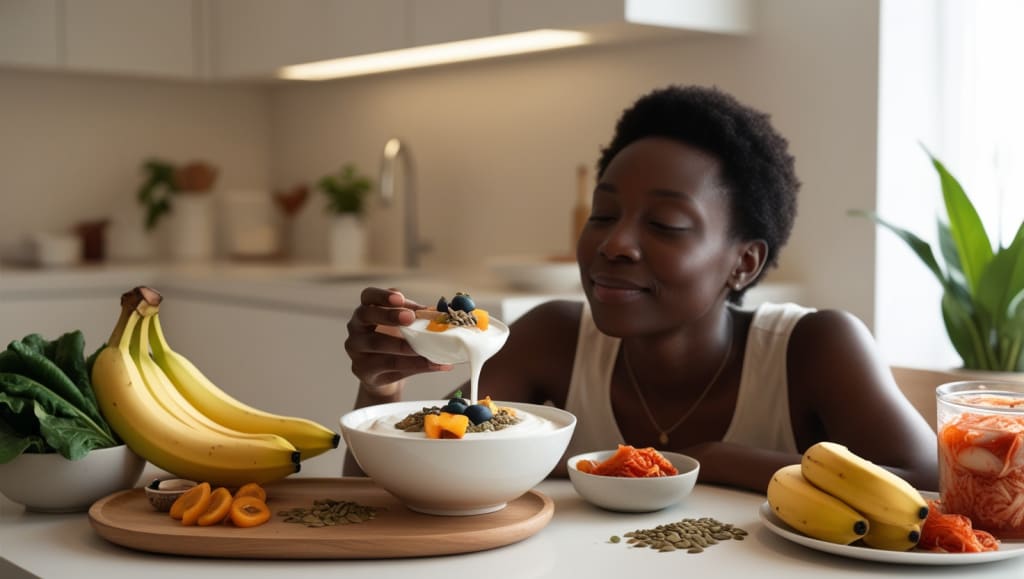
Before a significant speech, the wave of illness following disturbing news, or the weight in our abdomen during tough times, we have all felt that nervous feeling in our stomachs. We ignored these feelings as chance events for many years. Recent research, however, supports a view many of us have instinctively sensed:
The gut talks with your brain rather than just digests food. You may not be aware of the greater influence this interaction has on your mental health.
This is more than just a trending wellness fad or a recent diet mania. Exciting and quickly developing field of medicine is the link between the brain and the gut; it is changing our perspective of anxiety, sadness, focus, even joy.
🧠 Your "Second Brain" Lives in Your Gut
Your gut has its own nervous system, known as the enteric nervous system, which seems like something from a sci-fi movie. With more than 100 million neurons—exceeding the count in your spinal cord—this system can operate without your brain's intervention.
Many experts hence refer to the gut as the second brain.
Via the vagus nerve, this system interacts with your central nervous system continuously exchanging signals around the clock. These signals shape your feelings, ideas, and ability to handle stress.
😔 Mood Disorders May Begin in the Belly
There are more than only butterflies in your stomach. Recent research show a direct connection between mental diseases and gut health. People who suffer from depression, anxiety, continuous stress, or even bipolar disorder usually have a less varied gut microbiome, which comprises both helpful and harmful bacteria.
A 2022 Nature Microbiology study found that those with depression had much lower amounts of two particular gut microorganisms necessary for producing short chain fatty acids, which are crucial for mood balance and inflammation lowering.This implies that your dismal mood might actually have its origin in your stomach.
🦠 Meet Your Mood Bacteria
Astonishingly, almost 90% of serotonin, the hormone that raises your mood, arises from your gut rather than from your brain. Your gut microbiome is essential for producing:
Serotonin (which aids to stabilize mood)
Dopamine (connected with pleasure and reward)
GABA (which relaxes the nervous system)
When your gut is not balanced—whether due to a poor diet, antibiotics, stress, or insufficient sleep—these crucial neurotransmitters can become unmanaged, causing mental fog, irritability, or major emotional lows.
🧬 Inflammation: The Hidden Mood Killer
Problems in the gut frequently cause overall inflammation, which has been connected to both depression and a decline in cognitive function.
When the gut becomes leaky, or more accurately, has increased intestinal permeability, toxins can enter the bloodstream. This situation can result in:
Difficulty concentrating
Lack of energy
Changes in mood
Symptoms similar to anxiety
As a result, researchers are looking into innovative treatments for mental health that focus on the gut—some have even dubbed it the "gut-first strategy in psychiatry."
🥦 What might one do to enhance one's mind and stomach?
Helping your gutbrain connection does not call for a microbiology expert. These are what I found to be useful, and they are scientifically backed:
1. Select Fiber-Rich Whole Foods
fiber feeds good bacteria. Include:
Fruits like apples, berries, and bananas
Vegetables like broccoli, carrots, and spinach
Legumes, oats, and whole grains
Bonus: fiber helps regulate blood sugar, which also stabilizes mood.
2. Add Fermented Foods
These naturally contain probiotics:
Yogurt (with live cultures)
Kimchi
Sauerkraut
Kefir
Miso and tempeh
They help rebalance your gut bacteria and reduce inflammation.
3. Cut Back on Sugar and Processed Foods
Excess sugar can fuel bad bacteria and yeast like candida, throwing your system off. Highly processed food weakens gut lining and spikes inflammation.
Start small—replace one sugary snack a day with fruit or nuts.
4. Manage Stress with Mind-Body Practices
Chronic stress shuts down digestion and alters gut flora. Try:
Deep breathing
Meditation
Gentle yoga or walking
Journaling
Even 10 minutes a day can help regulate your vagus nerve and restore gut-brain harmony.
5. Consider Probiotics (Cautiously)
Not all probiotics are created equal, but some strains—like Lactobacillus rhamnosus—have been shown to reduce anxiety and stress in clinical trials.
Talk to a healthcare provider before starting supplements.
🔄 My Personal Gut Check Moment
Six months ago, I started having problems with persistent bloating, low spirits, and continual weariness. Although therapy helped, something just wasn't quite right.
A nutritionist advised a four-week gut reset: cut out processed foods, increase fiber intake, include fermented foods, and give stress management first priority.
By the third week, I realized I was more relaxed, clearer, and had more energy than I had in a long time. Though surprisingly my brain felt better too, my stomach seemed much better.
🧭 The Future of Mental Health Is in Your Gut
Research are revealing as they go along that mental health might be connected with the microbiome. As a form of treatment for depression, doctors are starting to change diets; meanwhile, new treatments known as "psychobiotics" are under development.
Improving gut health, nevertheless, is only one of many essential elements for many people; it is not the final remedy. It is becoming more and more obvious how our concentration, mood, and food are related.
Final Thoughts
Pay attention when your gut says something isn't right. It could be your gut—often known as your second brain—trying to connect with you, not only a sensation.
Looking after your gut helps your mind to unwind, find balance, and grow in addition to facilitating digestion.
About the Creator
Keep reading
More stories from Shahjahan Kabir Khan and writers in Longevity and other communities.
The Silent Signs You Shouldn’t Ignore: 7 Health Red Flags Most People Miss
We often treat our bodies as dependable roommates, quietly finishing chores as we rush to meet deadlines, late-night phone use, and rely on caffeine to keep us awake rather than getting enough of sleep. Most of the time everything seems to be fine. Beneath everything, though, small warning indicators can gather like dark clouds.
By Shahjahan Kabir Khan9 months ago in Longevity
How To Balance Blood Sugar Levels: A Practical Guide
Keeping your glucose levels stable is key for good health and avoiding diseases. With over 537 million adults worldwide living with diabetes as of 2021, it’s important to know how to balance blood sugar naturally. This knowledge helps those relying on insulin to manage their health better.
By Good health to everyone2 days ago in Longevity
Woman in 60s Sells Home to Live on Cruise Ship
A woman in her 60s has made headlines after selling her home and belongings to live permanently on a cruise ship, trading the traditional comforts of homeownership for the freedom of life at sea. The decision, which has captured public attention worldwide, reflects a growing trend among retirees seeking new experiences and adventure in their later years. The woman, who has chosen to remain anonymous for privacy reasons, spent decades living in a suburban neighborhood in the United Kingdom. Having raised a family and enjoyed a steady career, she reached a point in life where routine no longer fulfilled her sense of purpose. Inspired by a lifetime of travel and a love of the ocean, she decided to sell her property and embark on what she describes as “the ultimate retirement adventure.” “I realized I had always dreamed of seeing the world from the deck of a ship, waking up in a different port every few days,” she said in an interview. “Owning a home was comfortable, but I wanted freedom, exploration, and the chance to meet people from around the world.” Financially, the decision was made possible by the sale of her house and careful planning. She opted for a long-term residency package offered by a well-known cruise line, which allows passengers to live aboard indefinitely while enjoying all-inclusive meals, entertainment, and medical facilities. Such packages have grown in popularity among affluent retirees, providing a mobile yet secure lifestyle without the demands of maintaining a home on land. Life aboard a cruise ship is markedly different from traditional retirement. Days are filled with a mix of leisure, social activities, and travel. Residents can attend fitness classes, participate in hobby groups, or simply relax while enjoying ocean views. Social interaction is a central component, with daily opportunities to meet people from diverse backgrounds. “I love the sense of community on board,” the woman said. “Even though we’re constantly moving, friendships form quickly, and there’s always something happening. It’s energizing to be around people who are embracing life fully.” Living on a cruise ship does come with challenges. Residents must adapt to limited personal space and shared facilities, as well as the lack of a permanent land address. Internet connectivity can be inconsistent in certain regions, and weather conditions occasionally affect travel schedules. However, for many, including the woman in her 60s, the benefits of adventure and exploration outweigh these inconveniences. Travel experts note that this lifestyle is part of a broader trend called “sea nomadism,” in which retirees and digital nomads choose mobility and experiences over traditional stability. With cruise lines increasingly offering long-term residency options, this niche market has expanded, catering to those seeking both comfort and novelty. Healthcare is another important consideration. Cruise lines providing long-term residency packages often include access to medical facilities on board. For serious emergencies, arrangements exist for treatment at port hospitals. The woman emphasized that she reviewed these provisions carefully before committing to life at sea. Beyond the personal experience, the choice reflects a shift in societal attitudes toward retirement. Traditional models of retiring to a quiet suburban home or country cottage are being supplemented by alternatives emphasizing active lifestyles, cultural immersion, and travel. Experts say that financial independence combined with good health has made these kinds of bold choices more feasible than ever before. The woman’s decision has sparked interest on social media, with many expressing admiration for her courage to embrace change and pursue long-held dreams. “It’s inspiring to see someone take such a bold step in their 60s,” commented one online reader. “It shows that adventure doesn’t have an age limit.” Cruise line representatives report that inquiries from retirees seeking long-term residency have surged in recent years. Packages typically include private cabins, flexible dining options, entertainment programs, and shore excursions, allowing residents to maintain a rich and varied lifestyle. For the woman, the journey has already exceeded expectations. She has visited multiple countries, explored coastal towns, and enjoyed cultural events far beyond what a traditional retirement would have offered. She encourages others to consider unconventional paths if conventional routines no longer bring satisfaction. “I’m not just living,” she said. “I’m exploring, learning, and connecting with people every day. Life doesn’t have to slow down because you reach a certain age. If anything, it’s an opportunity to embrace freedom and adventure fully.” As more retirees consider alternatives to conventional retirement living, stories like hers highlight a growing desire for experience, mobility, and connection, signaling that the notion of retirement is evolving in exciting ways. Living aboard a cruise ship may not be for everyone, but for those seeking a life less ordinary, it represents the ultimate freedom to combine travel, comfort, and community in a single lifestyle.
By Fiaz Ahmed 4 days ago in Longevity




Comments
There are no comments for this story
Be the first to respond and start the conversation.