
How To Balance Blood Sugar Levels: A Practical Guide
Discover the secrets to balancing blood sugar levels and improving overall health. Our comprehensive guide covers the latest glucose monitoring technology.


Keeping your glucose levels stable is key for good health and avoiding diseases. With over 537 million adults worldwide living with diabetes as of 2021, it’s important to know how to balance blood sugar naturally. This knowledge helps those relying on insulin to manage their health better.
Key Takeaways
- Understanding the importance of maintaining glucose levels for overall health.
- Recognizing the global prevalence of diabetes and its impact on health.
- Learning how to balance blood sugar levels through diet and lifestyle choices.
- Preventing acute and chronic complications associated with unstable blood sugar.
- Empowering individuals to take control of their glucose management with evidence-based guidance.
Understanding Blood Sugar and Normal Ranges
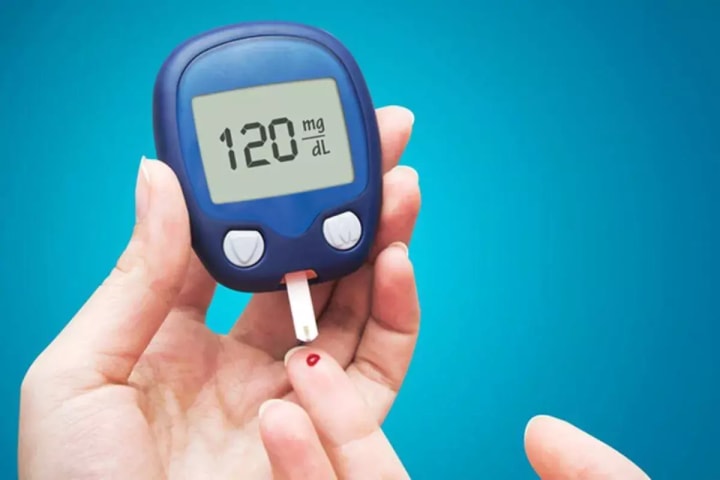
Knowing your blood sugar levels is key to good health. Blood sugar, or glucose, gives your body energy. But, keeping it balanced is vital to stay healthy and avoid long-term problems.
What Blood Sugar Means for Your Health
Blood sugar levels show how well your body handles glucose. Normal blood sugar ranges are important for your cells to get the energy they need. If your levels are off, you might face health problems.
High blood sugar, or hyperglycemia, can make you thirsty, tired, and blur your vision. Low blood sugar, or hypoglycemia, can cause shakiness, dizziness, and confusion.
To avoid these issues, keeping your normal blood sugar levels is essential. For people without diabetes, normal fasting glucose should be between 70 and 100 mg/dL. After eating, your glucose levels should stay below 140 mg/dL.
Target Glucose Levels You Should Know
Knowing the target glucose levels is important for managing glucose well. Here’s a quick guide on normal and abnormal levels:
Category>> Blood Sugar Level (mg/dL)
Normal Fasting Blood Sugar>> 70–99
Hypoglycemia < 70
Hyperglycemia > 250
Post-Meal Glucose < 140
By knowing these ranges, you can better manage your blood sugar. Regular checks and understanding these targets help keep your glucose levels in check.
Balancing Blood Sugar Levels Through Lifestyle Changes
To balance blood sugar naturally, you need to make some changes. This includes what you eat, how much you move, and how you handle stress. These steps can really help manage your glucose levels.
Dietary Strategies for Stable Glucose
Eating right is key to keeping blood sugar stable. Adding protein to your meals can slow down glucose absorption. This helps keep your blood sugar steady. Also, choose whole grains over refined ones for better energy and less glucose spikes.
Here are some dietary tips:
- Eat protein with carbs to slow glucose release
- Choose whole grains like brown rice, quinoa, and whole-wheat bread
- Add fiber-rich foods like fruits, vegetables, and legumes
- Stay away from sugary drinks and foods with lots of added sugars
Physical Activity for Glucose Management
Exercise is also very important for managing glucose. It makes your body better at using insulin, which lowers blood sugar. Try walking, cycling, swimming, or strength training.
Here’s how to add more exercise to your life:
- Do at least 150 minutes of moderate exercise each week
- Do strength training two or more times a week
- Start small and increase your activity gradually
Sleep and Stress Impact on Blood Sugar
Good sleep and stress management are also key. Bad sleep and stress can raise cortisol, a hormone that increases blood sugar.
Here are ways to improve sleep and stress:
- Keep a regular sleep schedule and bedtime routine
- Try stress-reducing activities like meditation, yoga, or deep breathing
- Avoid caffeine and screens before bed
By making these lifestyle changes, you can actively manage your blood sugar. This will help improve your overall health.
Monitoring and Technology Solutions for Glucose Management
New glucose monitoring systems are changing how we manage glucose levels. These systems make it easier to track and control blood sugar. They help people with diabetes stay on top of their health.
Traditional Blood Glucose Testing Methods
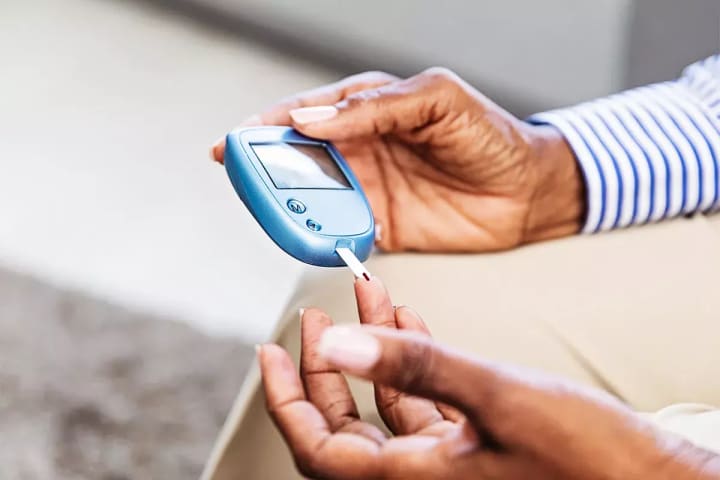
Fingerstick glucometers have been around for a long time. They give quick results but only show one moment in time. They are easy to find and use.
Limitations of Traditional Methods: Fingersticks can hurt and are a hassle. They don’t give a full picture of glucose levels over time.
Conclusion
Balancing blood sugar levels is key for good health. Learning to stabilize your blood sugar can make you feel more alive and full of energy.
This guide offers many ways to keep your blood sugar in check. From changing what you eat to using new tech, there’s a lot you can do. By making these changes part of your day, you can really improve your health and keep your blood sugar stable.
It’s more than just managing a number; it’s about living a healthier life. With the right tools and knowledge, you can become a healthier, more balanced person.
Remember, small, steady steps can make a big difference in your health. By focusing on balancing your blood sugar, you’re choosing a brighter, healthier future for yourself.
FAQ
What are normal blood sugar levels?
Fasting blood sugar is typically 70–99 mg/dL, and blood sugar 2 hours after meals is usually under 140 mg/dL.
How can I balance my blood sugar levels naturally?
Maintain a balanced diet, exercise regularly, manage stress, get enough sleep, and avoid excessive sugar and refined carbs.
What dietary changes can help stabilize my blood sugar?
Include high-fiber foods, whole grains, lean proteins, healthy fats, and limit sugary, processed, and refined foods.
How does physical activity impact blood sugar levels?
Exercise helps muscles use glucose for energy, lowers blood sugar, and improves insulin sensitivity.
Can stress affect my blood sugar levels?
Yes, stress hormones like cortisol can raise blood sugar levels temporarily.
What is the role of sleep in maintaining healthy blood sugar levels?
Adequate sleep supports insulin function and helps regulate hormones that control appetite and glucose metabolism.
How can technology help in managing blood sugar levels?
Devices like glucose meters and continuous glucose monitors track levels in real time, helping guide diet, exercise, and medication.
What are the benefits of continuous glucose monitoring systems?
They provide real-time trends, alert for highs or lows, and help optimize medication and lifestyle adjustments.
How often should I check my blood sugar levels?
Frequency depends on your diabetes type and treatment plan, but many check multiple times daily or as advised by their healthcare provider.
Can balancing blood sugar levels help prevent chronic diseases?
Yes, stable blood sugar reduces the risk of diabetes complications, heart disease, kidney problems, and other chronic conditions.
About the Creator
Good health to everyone
Sharing science-backed tips on health, fitness, healthy living, and skincare to help you look and feel your best. Join me on a journey to a stronger body, glowing skin, and lasting wellness—one story at a time.
Keep reading
More stories from Good health to everyone and writers in Longevity and other communities.
5 Best Breakfast Foods for Better Blood Sugar, Recommended by Dietitians
KEY POINTS Skipping or not optimizing breakfast can impact blood sugar levels. A breakfast rich in fiber, protein and healthy fats can help stabilize blood sugar. Balanced breakfasts, like overnight oats, provide blood-sugar-stabilizing nutrients.
By Good health to everyone3 days ago in Longevity
7 Essential Foods for Healthy Aging
As people grow older, their bodies go through many natural changes. Metabolism slows down, appetite may decrease, and nutrient absorption can become less efficient. Because of these changes, nutrition becomes even more important during the later stages of life.
By Being Inquisitive2 days ago in Longevity
Her Lab Worked to Future-Proof Fruits and Vegetables
In a world increasingly threatened by climate change, pests, and shifting agricultural conditions, scientists are racing to develop fruits and vegetables that can withstand unpredictable environments. At the forefront of this effort is Dr. Amara Patel, whose laboratory focuses on creating resilient crops through cutting-edge research in genetics, soil science, and sustainable farming practices. Her work is transforming the way we think about food security, nutrition, and the future of agriculture. Dr. Patel’s lab, based at a major research university in Davis, is dedicated to understanding how environmental stressors—such as drought, extreme temperatures, and soil nutrient depletion—affect crop yield and quality. By combining traditional breeding techniques with modern biotechnology, her team is developing varieties of fruits and vegetables that can thrive under these conditions without compromising nutritional value or flavor. “Food production is facing unprecedented challenges,” Dr. Patel explained. “If we want to ensure a stable supply of healthy produce for future generations, we need crops that are adaptable, resilient, and sustainable.” Her approach is multifaceted, involving the study of plant genetics, soil microbiomes, and pest resistance. By examining how different plant varieties respond to stressors, her team can identify traits that make certain crops more robust and suitable for diverse climates. One of the lab’s notable achievements has been the development of a drought-resistant tomato. Using a combination of selective breeding and genome analysis, Dr. Patel’s team identified key genes that allow the plant to retain moisture and maintain fruit quality even under prolonged dry conditions. This innovation is particularly valuable for regions experiencing water scarcity, offering farmers a way to maintain production while conserving a critical resource. In addition to tomatoes, the lab has worked on leafy greens, peppers, and root vegetables. For each crop, researchers focus on traits such as nutrient retention, disease resistance, and shelf life. By improving these characteristics, the lab aims to reduce post-harvest losses—a significant issue that contributes to global food waste. According to the Food and Agriculture Organization (FAO), roughly one-third of all food produced globally is lost or wasted, with much of it being fruits and vegetables that fail to reach consumers in optimal condition. Dr. Patel’s work also emphasizes the role of sustainable agricultural practices. Beyond genetics, her team studies how soil health, irrigation techniques, and microbial interactions can enhance plant resilience. Experiments in controlled greenhouses and field trials have demonstrated that crops grown in enriched soils with diverse microbiomes are better able to tolerate pests, pathogens, and environmental stress. This approach aligns with broader efforts to reduce reliance on chemical fertilizers and pesticides while promoting ecological balance. Collaboration is central to the lab’s mission. Dr. Patel partners with agricultural institutes, farmers’ cooperatives, and technology firms to translate lab findings into practical solutions. Pilot programs in California’s Central Valley have introduced resilient crop varieties to commercial farms, providing valuable data on performance in real-world conditions. Farmers report higher yields, reduced crop loss, and improved resistance to local pests, demonstrating the tangible benefits of scientific innovation in agriculture. The lab is also exploring ways to make these innovations accessible globally. Partnerships with organizations in Africa, South Asia, and Latin America aim to introduce resilient crops to regions vulnerable to climate change and food insecurity. By sharing knowledge and providing locally adapted seed varieties, Dr. Patel’s team hopes to empower communities to achieve sustainable food production. Challenges remain, including regulatory hurdles, public perception of genetically enhanced crops, and the need to balance innovation with ecological sustainability. Dr. Patel emphasizes that her team prioritizes transparency and safety in every project. Public engagement initiatives, workshops, and educational programs help communities understand the science behind resilient crops and the potential benefits for health and food security. The future of agriculture may depend on the kind of forward-thinking research conducted in labs like Dr. Patel’s. With climate models predicting more frequent extreme weather events, her work is helping to safeguard the global food supply. By combining scientific rigor, ecological awareness, and a commitment to community engagement, the lab is cultivating crops that are not only productive but also resilient enough to endure the challenges of the 21st century. Dr. Patel sees her work as part of a larger movement toward sustainable innovation in food systems. “We are trying to anticipate tomorrow’s challenges today,” she said. “By understanding plants at a genetic, ecological, and practical level, we can design crops that are ready for a changing world. It’s about resilience, sustainability, and feeding people without compromising the planet.” As research continues, the lab is expanding its focus to include fruits and vegetables rich in essential micronutrients, aiming to address not only quantity but also the quality of the global food supply. By future-proofing crops, Dr. Patel and her team are helping to ensure that healthy, nutritious food remains accessible for generations to come, no matter what challenges lie ahead. The combination of scientific innovation, practical application, and global outreach makes this lab a beacon of hope for agriculture in an era of uncertainty—proving that with the right tools, knowledge, and determination, the future of food can indeed be safeguarded.
By Fiaz Ahmed about 18 hours ago in Longevity
My First Time Skiing and I Got Lost, Alone, in the French Alps
Looking back, I can trace some of my life’s biggest adventures to a simple action from my sister. She’d introduced me to Tommy (a very long time ago), a colleague of hers, who had overshared his penchant for Italian-looking women, and I ticked that box.
By Chantal Christie Weissabout 23 hours ago in Humans




Comments
There are no comments for this story
Be the first to respond and start the conversation.