
Global Health and Wellness Market Size & Forecast 2025–2033
Preventive Living, Personalized Health, and Digital Innovation Drive a Multi-Trillion-Dollar Wellness Economy

Global Health and Wellness Market Outlook
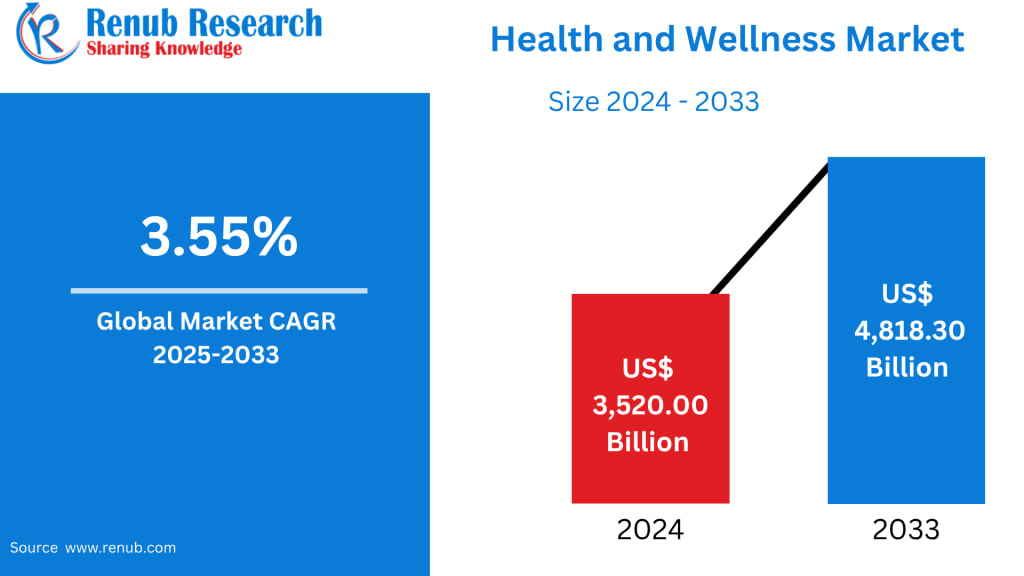
The Global Health and Wellness Market is entering a powerful growth phase as consumers worldwide redefine health as a long-term lifestyle commitment rather than reactive medical care. According to Renub Research, the market is projected to expand from US$ 3,520.00 billion in 2024 to US$ 4,818.30 billion by 2033, registering a CAGR of 3.55% from 2025 to 2033.
Health and wellness encompass physical fitness, nutrition, mental well-being, preventive healthcare, beauty and personal care, and holistic therapies. This ecosystem supports proactive living—helping individuals manage stress, maintain immunity, improve longevity, and enhance overall quality of life. From functional foods and supplements to fitness platforms and digital health tools, wellness has evolved into a global economic pillar influencing healthcare, food, beauty, and technology industries alike.
Growing urbanization, rising disposable incomes, aging populations, and the global burden of chronic diseases are accelerating the shift toward wellness-oriented consumption. Consumers increasingly prefer solutions that prevent illness, enhance vitality, and support mental balance, turning health and wellness into one of the most resilient and future-ready global markets.
Key Growth Drivers of the Global Health & Wellness Market
Shift Toward Preventive Healthcare
Preventive health has become the cornerstone of modern wellness behavior. Instead of relying solely on curative treatments, consumers now invest in vitamins, supplements, fitness programs, diagnostic screenings, and mental well-being tools to avoid lifestyle diseases. This shift is particularly pronounced in urban and aging populations, where early intervention reduces long-term healthcare costs. Governments and employers also promote preventive care through wellness programs, digital monitoring, and public health awareness initiatives—cementing prevention as a major growth engine.
Boom in Functional Foods & Beverages
Functional foods and beverages are transforming everyday nutrition. Products fortified with probiotics, antioxidants, vitamins, minerals, and adaptogens—such as kombucha, protein drinks, fortified cereals, and herbal teas—address immunity, digestion, energy, and weight management. Busy lifestyles fuel demand for convenient yet nutritious formats, while clean labeling and plant-based ingredients enhance trust. As food increasingly overlaps with medicine, functional nutrition stands out as one of the fastest-growing wellness segments globally.
Digital Health, Wearables & Personalization
Technology is redefining wellness delivery. Wearables, AI-powered apps, virtual fitness platforms, and telehealth services provide personalized insights into sleep, activity, nutrition, and stress. Data-driven customization increases engagement, affordability, and accessibility—especially post-pandemic. Governments and regulators in regions such as Europe and Asia-Pacific actively support digital health adoption, accelerating the integration of technology into daily wellness routines.
Challenges Facing the Global Health & Wellness Market
Regulatory Gaps and Trust Deficits
Rapid market expansion has outpaced regulatory frameworks in several countries. Supplements, functional foods, and wellness devices often fall between food and pharmaceutical regulations, leading to inconsistent quality standards and exaggerated health claims. This creates skepticism among consumers. Brands that invest in clinical validation, transparent labeling, and globally recognized certifications are better positioned to earn long-term trust.
Market Saturation and Differentiation Pressure
The wellness space is highly competitive, with numerous brands offering similar products—from collagen supplements to meditation apps. Differentiation is increasingly difficult, and customer loyalty remains fragile. Successful players focus on science-backed formulations, sustainability, storytelling, and personalized experiences to maintain relevance in a crowded market.
Segment Insights: Global Health and Wellness Market
Beauty & Personal Care Products
Beauty and wellness are converging rapidly. Consumers demand products that deliver both cosmetic and health benefits, including microbiome-friendly skincare, SPF-infused moisturizers, and probiotic serums. Clean-label, cruelty-free, and eco-conscious positioning drives premiumization. Influencer marketing and social commerce further accelerate adoption, blurring the lines between dermatology, cosmetics, and wellness.
Functional Foods & Beverages
This segment dominates wellness consumption as nutrition becomes central to disease prevention. Protein-enriched snacks, collagen beverages, turmeric-based drinks, and fortified staples appeal to convenience-seeking consumers. Partnerships with nutritionists, digital transparency tools, and science-led branding strengthen consumer confidence and support sustained growth.
Immunity Health
Post-pandemic awareness has made immunity a year-round priority. Supplements containing vitamin C, vitamin D, zinc, probiotics, and herbal extracts are increasingly mainstream. Innovative delivery formats such as gummies, sachets, and fortified drinks improve compliance, while ongoing research continues to expand product pipelines.
Bone Health
An aging global population drives strong demand for bone health solutions. Calcium, vitamin D, magnesium, collagen supplements, and fortified foods gain traction, supported by digital exercise programs focused on strength and fall prevention. Preventive positioning and attractive formats such as flavored powders and gummies enhance adoption.
Regional Market Highlights
United States Health & Wellness Market
The United States leads global wellness spending, driven by high supplement consumption, advanced fitness ecosystems, digital health adoption, and employer-backed wellness programs. Consumers demand strong scientific evidence, encouraging heavy R&D investment and regulatory compliance. Retail giants and e-commerce platforms amplify market reach, making the U.S. a trendsetter for global wellness innovation.
Germany Health & Wellness Market
Germany’s wellness market emphasizes quality, safety, and evidence-based products. Herbal medicine, orthomolecular nutrition, and preventive fitness enjoy strong acceptance, supported by statutory insurance coverage. Sustainability and transparency define brand positioning, while digital mental health solutions gain momentum within strict regulatory frameworks.
India Health & Wellness Market
India blends traditional practices such as Ayurveda and yoga with modern nutrition and fitness trends. Rising middle-class incomes, smartphone penetration, and government focus on preventive healthcare fuel growth. Functional foods, immunity supplements, and online wellness platforms dominate demand, positioning India as a high-growth wellness economy with strong cultural roots.
Brazil Health & Wellness Market
Brazil is Latin America’s wellness powerhouse, driven by fitness culture and biodiversity-based natural products. Immunity, weight management, and anti-aging solutions remain popular, while social media strongly influences purchasing behavior. Sustainability and local sourcing are key differentiators as regulations evolve.
Saudi Arabia Health & Wellness Market
Under Vision 2030, Saudi Arabia prioritizes wellness through investments in fitness infrastructure, preventive healthcare, and digital health platforms. Demand for halal-certified supplements, premium wellness services, and telemedicine is rising, making the Kingdom one of the fastest-growing wellness markets in the Middle East.
Health and Wellness Market Segmentation
By Product Type
Functional Foods and Beverages
Beauty and Personal Care Products
Preventive and Personalized Medicinal Products
Others
By Functionality
Nutrition & Weight Management
Heart & Gut Health
Immunity
Bone Health
Skin Health
Others
By Geography
North America, Europe, Asia Pacific, Latin America, Middle East & Africa (with detailed country-level analysis)
Key Players Shaping the Global Health and Wellness Market
The competitive landscape is defined by innovation, brand trust, global reach, and scientific credibility. Major players include Amway Corp., Bayer AG, Danone S.A., David Lloyd Leisure Ltd., Fitness First India Pvt Ltd., Herbalife Nutrition Ltd., Holland & Barrett Retail Limited, L'Oréal SA, Nestlé SA, and Procter & Gamble.
Each company is analyzed across overview, leadership, recent developments, SWOT, and revenue performance, highlighting their role in shaping the global wellness ecosystem.
Final Thoughts
The global health and wellness market is no longer a niche—it is a foundational pillar of modern economies. As preventive care, personalized nutrition, digital health, and holistic living become mainstream, wellness spending will continue to rise steadily through 2033. Brands that prioritize scientific credibility, transparency, sustainability, and personalization will lead the next phase of growth.
With a projected valuation of US$ 4.82 trillion by 2033, the global health and wellness market represents not just an economic opportunity, but a fundamental shift in how societies define health, longevity, and quality of life.
About the Creator
Marthan Sir
Educator with 30+ years of teaching experience | Passionate about sharing knowledge, life lessons & insights | Writing to inspire, inform, and empower readers.
Keep reading
More stories from Marthan Sir and writers in Longevity and other communities.
United States Durable Medical Equipment Market Size and Forecast 2025–2033
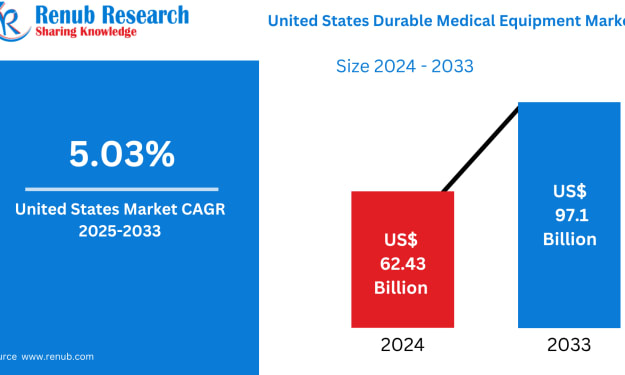
United States Durable Medical Equipment Market Overview The United States Durable Medical Equipment (DME) Market is entering a phase of sustained and resilient growth, supported by demographic shifts, chronic disease prevalence, and the rapid transition of care from hospitals to homes. According to Renub Research, the market was valued at US$ 62.43 billion in 2024 and is projected to reach US$ 97.10 billion by 2033, expanding at a CAGR of 5.03% from 2025 to 2033.
By Marthan Sir20 days ago in Longevity
Day 4 of Quitting
If this is how sobriety feels, maybe it’s better to go through life a little buzzed… this, along with other hits like, I want to kill myself, I wish I was dead, and I’m going to throw myself off a bridge have been the only thoughts on rotation these past few days. I promise myself that if, in a month, I still feel like this (‘this’ meaning despondent, full of rage, and simultaneously numb) I can go back to smoking. Until mid-February though? Nicotine is off the table.
By sleepy drafts5 days ago in Longevity
Exploring the cultural, religious, and modern celebrations of Epiphany around the world
Epiphany, celebrated annually on January 6th, is a festival rich with history, religious meaning, and cultural traditions. Often overshadowed by the grandeur of Christmas and New Year, Epiphany carries profound significance in Christian theology while also inspiring diverse customs and secular celebrations across the globe. Its origins, spanning centuries, reveal a fascinating blend of religious devotion, folklore, and community rituals that continue to evolve in contemporary society. Religious Significance The term “Epiphany” comes from the Greek word epiphaneia, meaning “manifestation” or “appearance.” In Christian tradition, it commemorates the revelation of Jesus Christ to the Gentiles, symbolized by the visit of the Magi, or the three wise men, to the infant Jesus. This event is often referred to as the Feast of the Three Kings in many cultures. For Christians, Epiphany signifies not only Christ’s manifestation to the world but also the broader concept of divine revelation. In the Eastern Orthodox Church, Epiphany primarily celebrates the baptism of Jesus in the Jordan River by John the Baptist, highlighting the moment when the Holy Trinity was revealed. Across denominations, Epiphany is a time for reflection, worship, and acknowledgment of spiritual enlightenment. Many churches hold special masses, blessing ceremonies, and processions to mark the occasion. Traditional Celebrations Around the World Epiphany customs vary widely by region, reflecting local culture and history. In Spain and much of Latin America, the festival is celebrated as Día de los Reyes (Three Kings’ Day). Children eagerly await gifts from the Magi, who are said to leave presents in shoes left by the door, echoing the tradition of Santa Claus in other cultures. Parades, community gatherings, and elaborate nativity reenactments make the day a vibrant public celebration. In Italy, Epiphany is associated with La Befana, a kindly witch who delivers sweets and small gifts to children, combining folklore with Christian teachings. In France, the Galette des Rois is a special pastry shared among family and friends, with a hidden figurine inside—whoever finds it is crowned “king” or “queen” for the day. In Poland and Hungary, traditional church services are followed by the blessing of homes with holy water, chalk markings, and prayers for prosperity in the new year. Secular and Modern Rites While Epiphany has strong religious roots, it has also been embraced in secular ways. In parts of Europe and the Americas, cultural performances, street fairs, and community feasts accompany the religious observances, creating a festival atmosphere accessible to people of all beliefs. Epiphany also marks the official end of the Christmas season in many countries, with public decorations and Christmas trees being taken down on or after January 6th. In contemporary practice, some families have transformed Epiphany into a day for giving back, hosting charity events, or spending time with extended family. Educational institutions may incorporate lessons on the Magi, symbolism, and cultural traditions, allowing children to connect history and faith in meaningful ways. Epiphany in Popular Culture Epiphany’s themes of revelation, wisdom, and generosity have permeated literature, music, and art. Artists have depicted the journey of the Magi in countless paintings, highlighting the universal motif of seeking knowledge and light. Literary works sometimes use Epiphany as a symbol of personal or spiritual awakening, where characters experience a profound moment of insight or transformation. In music, especially in choral and classical traditions, Epiphany inspires compositions that celebrate divine revelation, blending sacred lyrics with melodies designed to evoke both contemplation and joy. Secular adaptations, from festive songs to theater performances, demonstrate how Epiphany continues to influence culture beyond strictly religious contexts. A Festival of Reflection and Connection At its heart, Epiphany is about revelation and connection—whether divine, cultural, or communal. It reminds people of the importance of generosity, insight, and celebration. For many, it serves as a bridge between the sacred and the secular, linking centuries-old traditions with modern interpretations that keep the festival alive and meaningful. From blessing homes in Eastern Europe to sharing pastries in France, from festive parades in Spain to family gatherings around symbolic rituals, Epiphany continues to foster community, joy, and spiritual reflection. It stands as a testament to how ancient religious observances can evolve, embracing cultural diversity while maintaining their essential message of light, wisdom, and generosity. Conclusion Epiphany is much more than a footnote in the holiday calendar. It is a celebration that unites religious devotion, folklore, and communal joy, reminding us of the universal desire for revelation, understanding, and connection. Whether observed in solemn church services, joyous parades, or simple family traditions, Epiphany remains a powerful festival, bridging past and present while inspiring both spiritual reflection and cultural celebration worldwide.
By Fiazahmedbrohi 5 days ago in Longevity



Comments
There are no comments for this story
Be the first to respond and start the conversation.