
Fueling Digestive Wellness: Harnessing the Power of a Healthy Diet for Optimal Digestion
Balacing Your Plate , Soothing Your Gut , and 15 Essential Tips for Improved Digestive Health
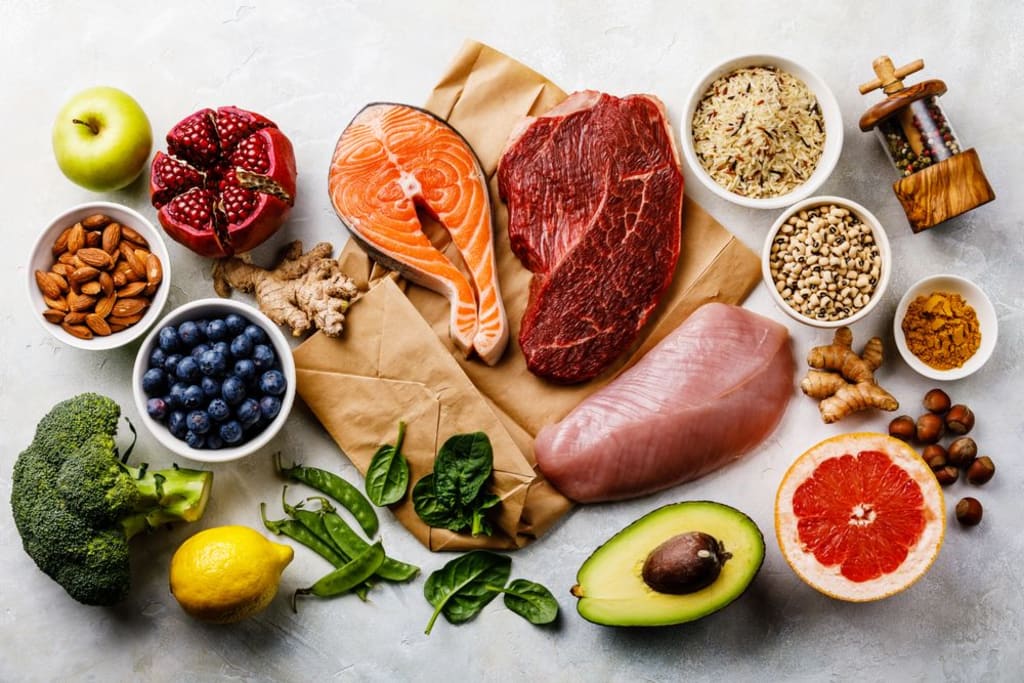
A healthy diet plays a crucial role in improving digestion and maintaining optimal gut health. By incorporating specific foods and making mindful dietary choices, you can support your digestive system and promote overall well-being. In this article, we will explore the principles of a healthy diet for improving digestion and provide fifteen practical tips for incorporating digestion-friendly foods into your meals.
Benefits of a Healthy Diet for Improving Digestion:
1. Enhanced Nutrient Absorption: A healthy diet rich in fiber, vitamins, and minerals supports proper nutrient absorption, ensuring your body receives the essential substances it needs to function optimally.
2. Balanced Gut Microbiota: A diverse and balanced gut microbiota is vital for good digestion. A healthy diet can provide the necessary nutrients to promote the growth of beneficial gut bacteria and maintain a healthy microbial balance.
3. Reduced Digestive Discomfort: Certain foods can trigger digestive discomfort, such as bloating, gas, and indigestion. A healthy diet can help identify and minimize these triggers, promoting a more comfortable digestive experience.
4. Regular Bowel Movements: Adequate fiber intake from whole grains, fruits, and vegetables can help regulate bowel movements and prevent constipation.
15 Tips for a Healthy Diet to Improve Digestion:
1. Increase Fiber Intake: Incorporate fiber-rich foods like whole grains, fruits, vegetables, legumes, and nuts into your diet. Aim for a daily intake of 25-30 grams of fiber.
2. Hydrate Sufficiently: Drink plenty of water throughout the day to maintain hydration and promote smooth digestion. Aim for at least 8 glasses (64 ounces) of water per day.
3. Include Probiotic-Rich Foods: Consume probiotic-rich foods like yogurt, kefir, sauerkraut, kimchi, and other fermented foods to support a healthy gut microbiota.
4. Choose Lean Protein Sources: Opt for lean protein sources such as poultry, fish, tofu, and legumes, as they are easier to digest compared to fatty or processed meats.
5. Eat Mindfully: Slow down while eating, chew your food thoroughly, and savor each bite. This promotes better digestion and helps you recognize feelings of fullness.
6. Limit Processed Foods: Processed foods are often high in unhealthy fats, additives, and preservatives that can disrupt digestion. Choose whole, unprocessed foods whenever possible.
7. Manage Portion Sizes: Practice portion control to avoid overeating, which can strain your digestive system. Listen to your body's hunger and fullness cues.
8. Reduce Intake of Trigger Foods: Identify and reduce your consumption of foods that may trigger digestive discomfort, such as spicy or fatty foods, caffeine, alcohol, and carbonated beverages.
9. Incorporate Herbal Teas: Certain herbal teas, such as peppermint, ginger, or chamomile, have soothing properties that can alleviate digestive discomfort and promote relaxation.
10. Include Healthy Fats: Choose sources of healthy fats like avocados, nuts, seeds, olive oil, and fatty fish to support nutrient absorption and promote a healthy digestive system.
11. Limit Added Sugars: Excess sugar can disrupt the balance of gut bacteria and contribute to digestive issues. Minimize your intake of sugary foods and drinks.
12. Cook and Prepare Meals at Home: By preparing meals at home, you have more control over the ingredients and cooking methods, ensuring a healthier and more digestion-friendly meal.
13. Experiment with Digestive Spices: Incorporate spices like ginger, turmeric, cumin, coriander, and fennel into your cooking. These spices have digestive properties that can aid in digestion.
14. Identify Food Sensitivities: If you suspect certain foods may be causing digestive issues, consider keeping a food diary to identify potential triggers and consult with a healthcare professional for further evaluation.
15. Practice Stress Management: Chronic stress can impact digestion. Engage in stress-reducing activities like exercise, meditation, yoga, or deep breathing to support a healthy digestive system.
Click here : https://www.digistore24.com/redir/283755/Lina-ci/
Remember, everyone's digestive system is unique, so it's important to listen to your body and make adjustments that work best for you. If you have persistent or severe digestive issues, it's advisable to seek guidance from a healthcare professional or registered dietitian.
About the Creator
Keep reading
More stories from Полина Тарадойна and writers in Longevity and other communities.
Embracing a Gluten-Free Lifestyle: Unlocking the Benefits and 15 Essential Tips for Success
A gluten-free diet involves eliminating gluten, a protein found in wheat, barley, rye, and their derivatives, from your meals. While necessary for individuals with gluten-related disorders such as celiac disease or gluten sensitivity, some people choose a gluten-free diet for various reasons. In this article, we will explore the potential benefits of a gluten-free diet and provide fifteen tips for incorporating gluten-free foods into your meals.
By Полина Тарадойна3 years ago in Longevity
Microsoft's Purposeful Marketing Deception About AI's Ability To Beat Physicians In Diagnosis
When you look at the world of scientific research... If you are not careful... You will be fooled into believing things that are not actually supported by the data.
By Dr. Cody Dakota Wooten, DFM, DHM, DAS (hc)a day ago in Longevity
Nine Tips to Help You Cope During Turbulent Times
Periods of uncertainty are an unavoidable part of life. Economic instability, global conflicts, personal setbacks, or rapid social change can all create a sense that the ground beneath us is shifting. When the world feels unpredictable, many people experience anxiety, exhaustion, and emotional overload. Learning healthy ways to cope with these challenges is essential for protecting mental well-being and maintaining a sense of stability. Experts in psychology say that while we cannot always control external events, we can control how we respond to them. By developing supportive habits and maintaining perspective, it becomes easier to navigate difficult moments without becoming overwhelmed. Here are nine practical tips that can help you stay resilient during turbulent times. 1. Limit Your News Intake Staying informed is important, but constant exposure to distressing headlines can increase stress and anxiety. Studies in Psychology suggest that excessive consumption of negative news can amplify feelings of helplessness. Try setting specific times during the day to check reliable sources rather than scrolling continuously through social media or news feeds. 2. Focus on What You Can Control When large events dominate the news, it can feel like everything is out of your hands. One helpful strategy is to shift attention to things within your control—your routines, daily tasks, and personal decisions. Taking small, manageable actions restores a sense of agency and reduces feelings of powerlessness. 3. Maintain Healthy Routines Consistency can provide comfort during uncertain periods. Maintaining regular sleep patterns, balanced meals, and physical activity helps stabilize both mood and energy levels. Even simple routines like morning walks or scheduled breaks can create a sense of normalcy when other parts of life feel unpredictable. 4. Stay Connected With Others Human connection plays a vital role in emotional resilience. Talking with friends, family members, or colleagues can ease the burden of stress and help you process difficult feelings. Social support is widely recognized by mental health professionals as a key factor in maintaining psychological stability. 5. Practice Mindfulness and Relaxation Mindfulness techniques such as meditation, deep breathing, and gentle stretching can calm the nervous system and reduce stress. Many therapists incorporate mindfulness into treatment approaches like Cognitive Behavioral Therapy, which helps individuals manage anxious thoughts and emotional reactions. Even a few minutes of mindful breathing can provide noticeable relief. 6. Take Breaks From Digital Overload Modern technology keeps us connected, but it can also overwhelm us with constant notifications and information. Setting boundaries with devices—such as turning off alerts or scheduling time away from screens—can reduce mental fatigue and improve focus. 7. Engage in Meaningful Activities Participating in activities that bring joy or purpose can counterbalance stress. Creative hobbies, volunteering, learning new skills, or spending time in nature can provide emotional nourishment. These activities remind us that life still contains moments of growth and meaning, even during difficult periods. 8. Be Kind to Yourself During challenging times, people often place unrealistic expectations on themselves. Self-compassion is a powerful tool for emotional resilience. Recognizing that stress reactions are normal—and allowing yourself time to rest and recover—helps prevent burnout. Psychologists emphasize that resilience does not mean ignoring hardship; it means responding to adversity with patience and care toward oneself. 9. Seek Professional Support if Needed If feelings of anxiety, sadness, or hopelessness become overwhelming, reaching out to a mental health professional can be an important step. Conditions such as Anxiety Disorder and Depression can intensify during periods of instability, but effective treatments are available. Speaking with a counselor or therapist can help individuals develop coping strategies tailored to their specific needs. Turbulent times are part of the human experience, and no one is immune to the emotional strain they can create. However, resilience is not a rare trait possessed by only a few people—it is a skill that can be cultivated through awareness, supportive relationships, and healthy habits. By focusing on manageable steps, maintaining connection with others, and caring for your mental health, it becomes possible to navigate uncertainty with greater strength and balance. Even in the most unpredictable moments, small acts of self-care and resilience can make a meaningful difference in how we move forward.
By Fiaz Ahmed 4 days ago in Longevity
Hottest in the Office
Dear Rafi, You’re very distracting to work around. For the first second I saw you the other day, I thought you were some type of executive. It took a moment to realize no, you were just the new guy, dressed up for the job he wants. Be still, my heart.
By Gabriel Shames6 days ago in Pride



Comments
There are no comments for this story
Be the first to respond and start the conversation.