
Embracing a Gluten-Free Lifestyle: Unlocking the Benefits and 15 Essential Tips for Success
Nourishing Your Body, Supporting Digestive Health, and Thriving Gluten-Free
A gluten-free diet involves eliminating gluten, a protein found in wheat, barley, rye, and their derivatives, from your meals. While necessary for individuals with gluten-related disorders such as celiac disease or gluten sensitivity, some people choose a gluten-free diet for various reasons. In this article, we will explore the potential benefits of a gluten-free diet and provide fifteen tips for incorporating gluten-free foods into your meals.
Benefits of a Gluten-Free Diet:
1. Celiac Disease Management: The primary benefit of a gluten-free diet is managing celiac disease, an autoimmune disorder triggered by gluten consumption. By eliminating gluten, individuals with celiac disease can alleviate symptoms, promote gut healing, and prevent long-term complications.
2. Non-Celiac Gluten Sensitivity: Some individuals experience symptoms similar to celiac disease when consuming gluten, despite testing negative for the condition. A gluten-free diet can help manage these symptoms and improve overall well-being.
3. Relief from Digestive Issues: Gluten can trigger digestive issues such as bloating, gas, and diarrhea in certain individuals. Following a gluten-free diet can alleviate these symptoms and promote better gut health.
4. Improved Nutrient Absorption: In individuals with celiac disease, gluten-induced damage to the small intestine can impair nutrient absorption. By eliminating gluten, nutrient uptake can improve, leading to better overall health.
5. Potential Reduction in Inflammation: Gluten has been associated with inflammation in some individuals, and adopting a gluten-free diet may help reduce inflammation levels.
15 Tips for a Gluten-Free Diet:
1. Learn to Read Labels: Familiarize yourself with common sources of gluten, such as wheat, barley, rye, and their derivatives. Read food labels carefully to identify hidden sources of gluten.
2. Focus on Naturally Gluten-Free Foods: Emphasize whole, unprocessed foods that are naturally gluten-free, including fruits, vegetables, lean proteins, legumes, nuts, and seeds.
3. Choose Gluten-Free Grains: Incorporate gluten-free grains such as quinoa, rice, corn, millet, buckwheat, and amaranth into your meals.
4. Be Cautious with Processed Foods: Many processed foods contain gluten as additives or fillers. Opt for certified gluten-free products or prepare homemade alternatives when possible.
5. Stock Gluten-Free Pantry Staples: Keep gluten-free flours, baking mixes, pasta, bread, and condiments stocked in your pantry to ensure you have gluten-free options readily available.
6. Experiment with Alternative Flours: Explore gluten-free flours like almond flour, coconut flour, tapioca flour, or chickpea flour for baking and cooking.
7. Be Mindful of Cross-Contamination: Prevent cross-contamination by using separate utensils, cutting boards, and cooking surfaces for gluten-free foods.
8. Seek Gluten-Free Alternatives: Look for gluten-free versions of your favorite foods, such as bread, pasta, crackers, and cereals, available in specialty stores or online.
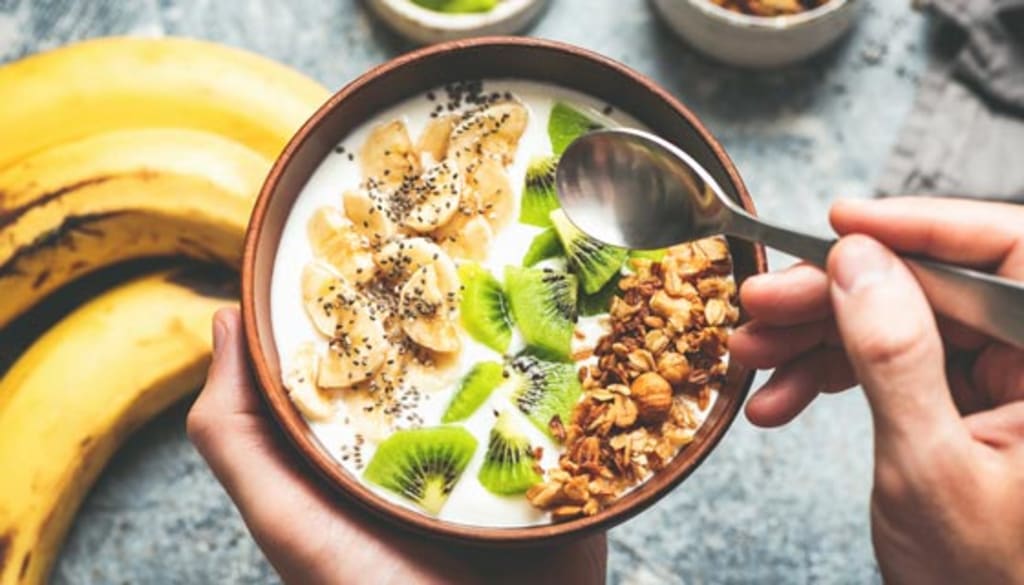
9. Opt for Naturally Gluten-Free Snacks: Enjoy gluten-free snacks like fresh fruits, vegetables with hummus, Greek yogurt, nuts, seeds, rice cakes, or gluten-free granola bars.
10. Communicate Your Dietary Needs: When dining out, inform restaurant staff about your gluten-free requirements to ensure they accommodate your needs and avoid cross-contamination.
11. Explore Ethnic Cuisines: Many ethnic cuisines, such as Thai, Indian, or Mexican, offer gluten-free options like rice-based dishes or corn tortillas.
12. Make Homemade Sauces and Dressings: Prepare homemade sauces, dressings, and marinades to avoid gluten-containing additives commonly found in store-bought versions.
13. Be Prepared for Social Events: Bring gluten-free dishes or snacks to social gatherings to ensure you have safe options to enjoy .
14. Educate Family and Friends: Inform your close circle about your dietary needs, so they can support and accommodate your gluten-free lifestyle when hosting or cooking for you.
15. Consult a Registered Dietitian: If you are newly diagnosed with celiac disease or need guidance on following a gluten-free diet, consult a registered dietitian who specializes in gluten-related disorders for personalized advice and support.
Click here : https://www.digistore24.com/redir/283755/Lina-ci/
Remember, if you suspect gluten intolerance or celiac disease, it's crucial to consult with a healthcare professional for proper diagnosis and guidance before adopting a gluten-free diet.
About the Creator
Keep reading
More stories from Полина Тарадойна and writers in Longevity and other communities.
Healthy diet for glowing skin and 10 tips with recommended daily intake
Maintaining a healthy diet is essential for promoting glowing skin. The foods we eat play a crucial role in nourishing our skin from within and providing the necessary nutrients for a healthy complexion. In this article, we will explore the principles of a healthy diet for glowing skin and provide ten practical tips to incorporate into your lifestyle.
By Полина Тарадойна3 years ago in Longevity
Microsoft's Purposeful Marketing Deception About AI's Ability To Beat Physicians In Diagnosis
When you look at the world of scientific research... If you are not careful... You will be fooled into believing things that are not actually supported by the data.
By Dr. Cody Dakota Wooten, DFM, DHM, DAS (hc)a day ago in Longevity
What Are the Long-Term Effects of ADHD Medications?
Medications used to treat ADHD are among the most commonly prescribed psychiatric medications in the world. Drugs like Adderall, Ritalin, Vyvanse, and Concerta are taken by millions of children and adults to improve focus, impulse control, and executive functioning.
By Navigating the World2 days ago in Longevity


Comments
There are no comments for this story
Be the first to respond and start the conversation.