
From Greggs Loyalists to Jab Addicts: How Weight-Loss Drugs Are Emptying Bakery Queues
An informative deep dive into Britain’s changing appetite, the science behind GLP‑1 medicines, and what the quieting of bakery queues says about our culture, health, and economy.

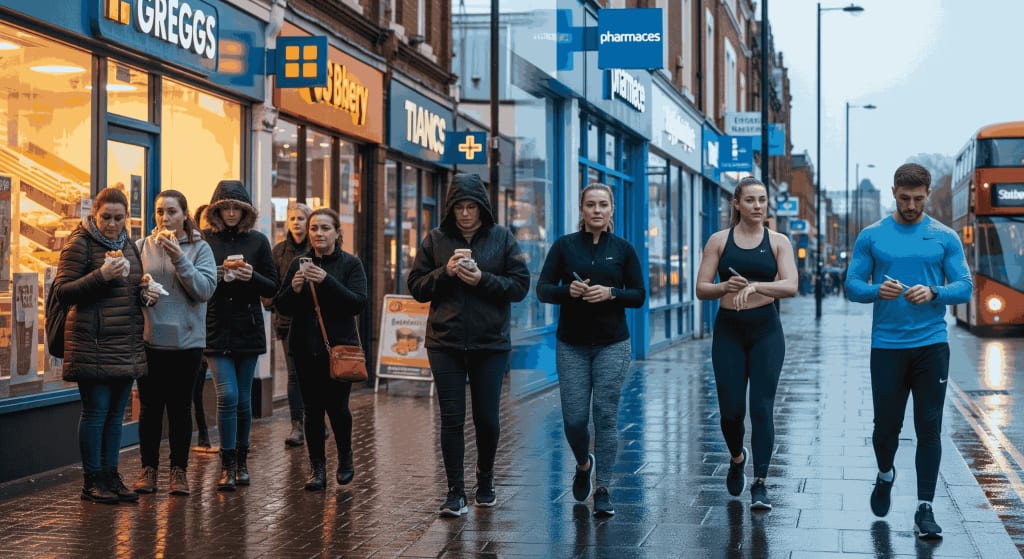
The Morning Queue That Started to Vanish
For decades, the early‑morning queue outside a Greggs bakery served as a reliable barometer of British life. Commuters clutched paper cups of tea, builders debated football scores, and the scent of warm sausage rolls drifted down the high street. However, in recent years, something subtle yet striking has changed. The queues, once snaking around the corner, now thin out faster than expected. Consequently, observers began asking a question that felt almost heretical: where did everyone go?
At first, many blamed hybrid working or rising food prices. While those factors certainly played a role, they did not fully explain the shift. Instead, a quieter revolution unfolded in GP surgeries, private clinics, and online pharmacies. Weight‑loss injections, once the preserve of niche medical conversations, entered mainstream culture. As a result, Britain’s relationship with food particularly indulgent, convenient comfort food began to change.
Britain’s Long Love Affair With Baked Comfort
To understand the impact of weight‑loss drugs, we must first appreciate the cultural role of bakeries in the UK. Greggs did not simply sell pastries; it sold routine, affordability, and familiarity. From school kids grabbing a post‑class treat to office workers seeking a quick lunch, baked goods stitched themselves into daily life. Moreover, these foods offered emotional comfort during economic uncertainty and social change.
Yet, this love affair came at a cost. Over time, public health data revealed rising obesity rates and associated conditions such as type 2 diabetes. Governments launched campaigns promoting moderation and exercise, but progress remained slow. Therefore, when pharmaceutical solutions emerged promising appetite control and metabolic benefits, they landed on fertile ground. People were ready for a tool that felt more powerful than willpower alone.
The Science That Changed Appetites
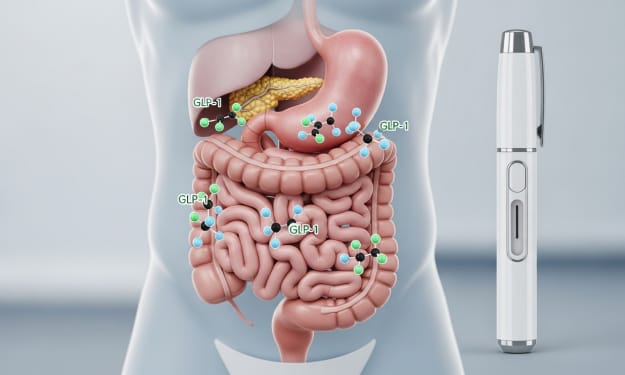
Weight‑loss medications like GLP‑1 receptor agonists work by mimicking hormones that regulate appetite and blood sugar. In simple terms, they help people feel full sooner and stay full longer. As a result, cravings diminish, portion sizes shrink, and impulsive food decisions become less frequent. Importantly, users often report a reduced desire for highly processed, fatty foods the very items that dominate bakery counters.
Furthermore, these drugs do not merely suppress appetite; they alter how the brain responds to food cues. Studies suggest that patients experience fewer intrusive thoughts about eating. Consequently, the habitual pull of a lunchtime pastry weakens. When multiplied across thousands of users, this individual change scales into a visible shift in consumer behaviour.
From Clinic to Culture: How Injections Went Mainstream
Initially, weight‑loss injections appeared in specialist clinics and medical journals. However, social media accelerated their journey into popular culture. Influencers shared before‑and‑after photos, celebrities hinted at their use, and everyday people discussed side effects with refreshing candour. As conversations normalised, stigma faded. Suddenly, taking a weekly jab felt less like a medical last resort and more like a lifestyle choice.
In the UK, access routes diversified quickly. While the NHS maintained strict prescribing guidelines, private providers expanded rapidly. People began researching options such as obtaining Mounjaro online UK, comparing prices, safety standards, and delivery times. Consequently, weight‑loss medication became as searchable as meal deals, further embedding itself into daily decision‑making.
The Silent Impact on Bakeries and High Streets
As appetites changed, so did spending patterns. Bakeries noticed subtle declines in impulse purchases, particularly during traditionally busy windows like mid‑morning and late afternoon. Although Greggs remains profitable through diversification, including vegan options and delivery partnerships, the classic pastry‑first model faces pressure. In effect, fewer spontaneous cravings mean fewer unplanned stops.
Moreover, this shift ripples outward. Reduced foot traffic affects neighbouring shops, from newsagents to coffee stalls. High streets, already challenged by online retail, must now adapt to a population that snacks less frequently. Therefore, weight‑loss drugs influence not only health outcomes but also the micro‑economics of everyday urban life.
Health Benefits, Hype, and Hard Truths
Proponents highlight impressive results: sustained weight loss, improved blood sugar control, and reduced cardiovascular risk. For many, these benefits translate into renewed mobility, confidence, and long‑term health prospects. Consequently, the drugs earn praise as a breakthrough in preventive medicine rather than a cosmetic shortcut.
Nevertheless, critics urge caution. Side effects, supply shortages, and the risk of over‑medicalising lifestyle issues spark ongoing debate. Additionally, long‑term data remains limited. While the early evidence looks promising, experts stress that medication works best alongside nutritional education and behavioural change. Thus, the emptying bakery queue symbolises progress and potential over‑correction at the same time.
Class, Access, and the New Food Divide
Weight‑loss drugs also expose inequalities. Private prescriptions cost hundreds of pounds per month, placing them out of reach for many. Consequently, those with disposable income gain easier access to appetite‑altering solutions, while others continue navigating obesogenic environments with fewer tools. This disparity risks creating a new divide in health outcomes.
At the same time, bakeries traditionally served as affordable food sources. If demand declines, prices may rise, or locations may close, further reducing access to low‑cost meals. Therefore, policymakers face a delicate balancing act: embracing medical innovation without exacerbating social inequities tied to food and health.
Marketing, Messaging, and the Psychology of Choice
As consumer behaviour shifts, marketing adapts. Food brands increasingly promote “high‑protein,” “low‑calorie,” and “balanced” options. This language mirrors the nutritional focus encouraged by weight‑loss treatments. Consequently, even those not using injections absorb the messaging, reinforcing a cultural pivot toward restraint.
However, psychology plays a crucial role. When people feel less driven by hunger, they make more deliberate choices. The bakery queue, once fuelled by impulse, now competes with mindful eating trends. Therefore, the decline reflects not only pharmaceutical influence but also a broader re‑evaluation of how and why we eat.
What This Means for the Future of Food
Looking ahead, the food industry must innovate. Bakeries may emphasise quality over quantity, offering smaller portions, premium ingredients, or nutritionally enhanced products. Already, some chains experiment with reduced‑calorie recipes and transparent labelling. As a result, indulgence evolves rather than disappears.
Simultaneously, society must decide how to integrate medical solutions ethically. Weight‑loss drugs will not replace cultural rituals around food, but they will reshape them. The challenge lies in preserving joy and community while supporting healthier outcomes. In this sense, the quieter queue invites reflection rather than nostalgia.
A Nation Rethinking Appetite
Ultimately, the story of emptying bakery queues captures a nation in transition. From Greggs loyalists to jab adopters, Britons reassess their relationship with food, health, and convenience. Weight‑loss drugs act as catalysts, accelerating changes already underway. Therefore, the phenomenon reveals as much about cultural readiness as medical innovation.
As conversations continue, one truth stands out: appetite is no longer just a matter of taste. It intersects with technology, economics, and identity. Whether this leads to a healthier, more equitable future depends on choices made now by individuals, industries, and policymakers alike.
Conclusion
The disappearing bakery queue does not signal the end of British comfort food. Instead, it marks a shift in priorities. Weight‑loss medications challenge long‑held habits, prompting reflection on what we consume and why. As science reshapes appetite, society must ensure that progress remains inclusive, informed, and humane.
In the end, the question is not whether bakeries will survive they wil but how they will adapt in a world where hunger itself is being rewritten.
About the Creator
Alex
I've built my career around people-focused roles in the software industry, where clear communication, hands-on support, and quality assurance are always top priorities.
Novo Nordisk Sues Hims & Hers Over Cheaper Copycat Wegovy Pills and Injections
In a significant legal development in the pharmaceutical industry, Novo Nordisk, the maker of the popular weight loss drug Wegovy, has filed a lawsuit against Hims & Hers Health Inc., accusing the company of producing and selling cheaper, copycat versions of Wegovy’s pills and injections. The lawsuit, which has raised concerns about intellectual property rights, competition, and the future of weight loss treatments, has sent shockwaves through the healthcare market.
By Ayesha Lashari7 days ago in Longevity



Comments
There are no comments for this story
Be the first to respond and start the conversation.