
Weight Loss Drugs and Cancer: What the Research Really Shows
Do weight loss drugs like Mounjaro and Wegovy affect cancer risk? Explore the latest research, side effects, market trends, and what science actually proves.

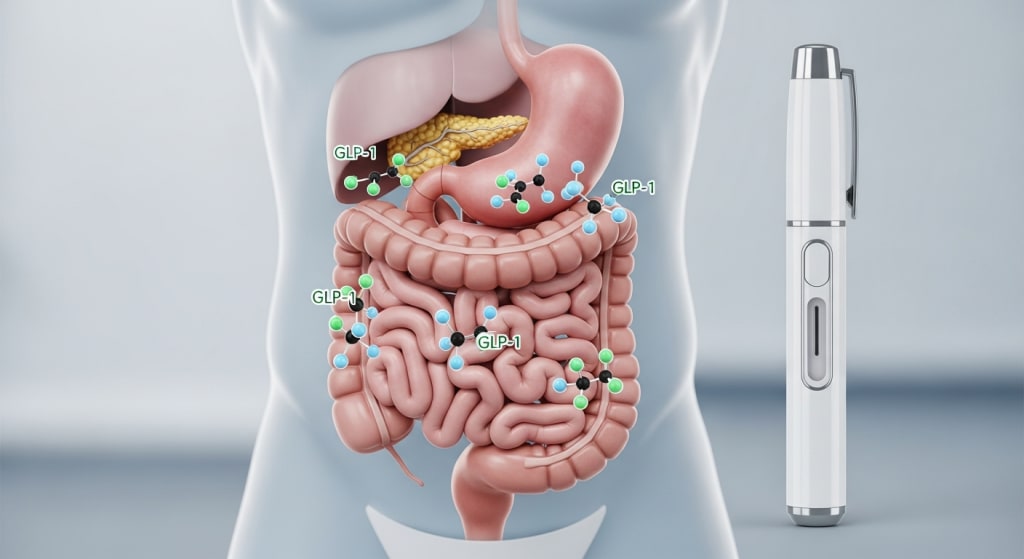
It’s becoming harder to ignore weight loss drugs like Mounjaro and Wegovy. Once limited to research trials and specialist clinics, these medications are now part of everyday conversation, from celebrity culture and social media to NHS policy discussions and global pharmaceutical markets.
There’s solid evidence that these drugs can help many people lose a significant amount of weight. However, when it comes to long-term health outcomes, especially cancer risk, the picture is far more complex. This article breaks down what weight loss drugs are, how they work, what the latest research says about cancer, and where important knowledge gaps still exist.
What are weight loss drugs?
Weight loss drugs are prescription medications designed to support weight reduction in people living with overweight or obesity, typically alongside lifestyle changes. In the UK, the most commonly prescribed options are tirzepatide (Mounjaro) and semaglutide (Wegovy), both taken as once-weekly injections.
These medications belong to a class known as GLP-1 receptor agonists. GLP-1, or glucagon-like peptide-1, is a hormone naturally produced in the body that helps regulate appetite, digestion, and blood sugar levels. By mimicking this hormone, these drugs slow gastric emptying, increase feelings of fullness, and reduce overall calorie intake.
How GLP-1 drugs moved into the mainstream
GLP-1 drugs were originally developed to treat type 2 diabetes. Ozempic, one of the earliest drugs in this category, was never licensed for weight loss in the UK, but clinicians quickly noticed that many patients lost weight while taking it.
Public awareness surged during and after the COVID-19 pandemic, driven largely by social media and celebrity endorsements. As demand increased, pharmaceutical companies developed and licensed newer formulations specifically for weight management, leading to the approval of Wegovy and later Mounjaro.
Recent surveys suggest that around 1.6 million UK adults have already used weight loss medications, while millions more say they would consider them if access were easier. With NHS access expanding and private prescriptions rising, use is expected to grow further over the next decade.
Accessing weight loss drugs in the UK
In the UK, Wegovy and Mounjaro are licensed for weight loss, while Ozempic remains approved only for diabetes treatment. These medications should only be prescribed by qualified healthcare professionals.
Ongoing monitoring is essential. Prescribers are expected to review dose progression, manage side effects, and provide support for diet and physical activity. Anyone considering weight loss injections should speak with their GP first, whether they plan to access treatment privately or through the NHS.
Do weight loss drugs actually work?
Clinical trials show that GLP-1 drugs can be highly effective for many people when combined with lifestyle support. On average:
- People using semaglutide (Wegovy) often lose 10–15% of their body weight.
- People using tirzepatide (Mounjaro) may lose 15–20% or more, depending on dose and duration
However, these results vary. Not everyone responds in the same way, and a small number of people lose little or no weight.
A major limitation is what happens after treatment stops. Most studies show that weight regain is common once injections are discontinued, raising questions about long-term use, sustainability, and potential psychological effects of repeated weight cycling.
Side effects and safety considerations
Like all prescription medications, weight loss drugs carry risks. The most common side effects affect the digestive system and include nausea, vomiting, diarrhoea, constipation, and bloating. Some people also report fatigue, dizziness, or headaches.
Less common but more serious side effects include pancreatitis, which requires immediate medical attention. Because of these risks, medical supervision is essential throughout treatment.
There has also been concern about thyroid cancer risk, largely based on early animal studies. While US labelling includes a warning, large analyses of human clinical trial data have not shown a clear increase in thyroid cancer risk to date. Ongoing surveillance continues as usage expands.
Obesity, cancer, and why weight loss matters
Obesity is the second leading preventable cause of cancer in the UK, after smoking. Excess body fat is linked to at least 13 different cancer types, including breast, bowel, pancreatic, and endometrial cancers.
Cancer risk is influenced not only by how much weight someone carries, but also by how long they’ve been overweight and where fat is distributed in the body. Fat tissue is biologically active and can drive chronic inflammation, insulin resistance, and hormonal changes, all of which may contribute to cancer development.
Given this, it’s reasonable to ask whether weight loss drugs could reduce cancer risk. The answer, at present, is nuanced.
Do weight loss drugs reduce cancer risk?
So far, there is no definitive proof that GLP-1 weight loss drugs directly reduce cancer risk. Some large observational studies suggest lower rates of certain obesity-related cancers among people using GLP-1 drugs, but these studies cannot prove cause and effect.
Researchers caution that weight loss alone may not tell the full story. Losing weight does not necessarily mean losing the specific fat deposits most closely associated with cancer risk. Different weight loss methods, such as calorie restriction, bariatric surgery, or medication, may affect fat tissue and inflammation in different ways.
Why researchers say it’s too early to be certain
There are several reasons the science remains unsettled:
- Many existing studies are observational, not long-term randomised trials
- Cancer often develops over decades, while GLP-1 drugs are relatively new
- Different cancers respond differently to metabolic and hormonal changes
- Weight regain after stopping treatment complicates long-term risk analysis
Researchers are now comparing GLP-1 drugs with other weight loss methods to understand how each approach affects fat distribution, inflammation, and cancer-related biological pathways.
Policy, access, and long-term questions
Weight loss drugs are increasingly part of public health discussions. The UK government has signalled plans to expand NHS access in England, partly to address health inequalities between those who can afford private prescriptions and those who cannot.
However, major questions remain unanswered. How long do people need to stay on these drugs to maintain health benefits? Can short-term use deliver lasting cancer risk reduction, or is long-term treatment necessary? And what are the broader risks of lifelong medication use?
Experts agree that medication alone is unlikely to solve the obesity crisis. Sustainable change will also require healthier food environments, better prevention strategies, and long-term support beyond prescriptions.
The future of weight loss drugs and cancer research
The weight loss drug market is expanding rapidly. Oral versions of GLP-1 drugs are already approved in the US, and new combination therapies are in development. As access increases, understanding who benefits most, how long treatment should last, and how to maintain weight loss safely will become even more important.
When it comes to cancer, the honest conclusion is this: it’s still too early to draw firm conclusions. What we do know is that obesity increases cancer risk, weight loss improves many aspects of health, and research is moving quickly to clarify how these drugs fit into long-term cancer prevention strategies.
Key takeaway
Weight loss drugs like Mounjaro and Wegovy are effective for many people, but their direct impact on cancer risk is not yet proven. Ongoing research will determine how they fit into long-term cancer prevention and public health strategies.
About the Creator
Alex
I've built my career around people-focused roles in the software industry, where clear communication, hands-on support, and quality assurance are always top priorities.
Day 4 of Quitting
If this is how sobriety feels, maybe it’s better to go through life a little buzzed… this, along with other hits like, I want to kill myself, I wish I was dead, and I’m going to throw myself off a bridge have been the only thoughts on rotation these past few days. I promise myself that if, in a month, I still feel like this (‘this’ meaning despondent, full of rage, and simultaneously numb) I can go back to smoking. Until mid-February though? Nicotine is off the table.
By sleepy draftsabout a month ago in Longevity
The Devil's Triangle
The sails ruffled in the breeze as we cruised along. The Sea Breeze was a mid-size catamaran that sailed out of Royal Naval Dockyard in Bermuda. We had booked this trip weeks in advance and were now looking at our Captain, Spike and two boat hands. Paddy and Wilson seemed like nice guys, joking around with the passengers and telling us some stories about Bermuda that only locals would know. Their island accents sounded almost British but they were pleasant to listen to.
By Barbara Gode Wiles4 days ago in Fiction



Comments
There are no comments for this story
Be the first to respond and start the conversation.