
Food secrets for longevity
eat more fruits and vegetables


The details of life determine the level of health, especially in diet. Sometimes only a little change is needed to reap double health. A new study published in the Journal of the American Medical Association pointed out that 10 dietary factors are related to death caused by heart disease, stroke, and type 2 diabetes. In response to these factors, improving dietary behavior and formulating health policies can curb the spread of many chronic diseases. To live longer, we start with these changes.
Researchers at Tufts University in the United States analyzed statistical data from the National Health and Nutrition Survey of the United States from 1999 to 2002 and 2009 to 2012 and found that the intake of 10 foods is closely related to chronic diseases, including fruits, vegetables, nuts, Whole grains, unprocessed red meat, processed meat products, sugary drinks, polyunsaturated fatty acids, omega-3 fatty acids from fish, sodium. In 2012, heart disease, stroke, and type 2 diabetes in the United States led to more than 700,000 American adult deaths, accounting for 72%, 18%, and 10%, respectively, of which 45% were caused by unhealthy eating behaviors.

Two experts from Johns Hopkins University in the United States commented that if policies can be formulated and nutritional interventions for some groups of people will not only greatly reduce deaths caused by cardiovascular and cerebrovascular diseases and metabolic diseases, but also reduce the risk of death in different regions and populations. Health differences promote social equity.
In 2015, a survey involving 100,000 people showed that up to three-quarters of people with poor cardiovascular health, less than one-quarter of those with moderate cardiovascular health, and only two-thousandths of people with ideal health. The study evaluated both behavioral health and physical health. The former included non-smokers, normal body mass index, physical exercise standards, and healthy diet. Only 7 out of 1,000 people practiced all of them. The most difficult thing to do is to stay healthy. Eating behavior, only 1.6% of people can adhere to.
A study in the United States found that the top three deaths caused by high-sodium diets, eating too little nuts, and eating too many processed meat products.
Improved diet directly reduces mortality
Although Americans still have many problems with their diet, they have improved significantly compared with 2002. In the past 10 years, the deaths of American adults due to chronic diseases have dropped by an average of 26.5% annually, thanks to changes in dietary behavior. For example, although nuts are not enough to eat, they are much more than 10 years ago, and the mortality rate of chronic diseases has dropped by 18%. There are two good eating behaviors worth promoting.
Increase the intake of polyunsaturated fatty acids. This reduces the related chronic disease mortality rate in Americans by 20.8%. Ma Guansheng said that unsaturated fatty acids can be subdivided into monounsaturated fatty acids and polyunsaturated fatty acids. Insufficient intake of the latter may lead to an increase in the incidence of heart disease. There are more than 710,000 heart disease deaths worldwide every year due to insufficient intake of omega-6 polyunsaturated fatty acids. Vegetable oils such as soybean oil, linseed oil, and camellia oil are rich in polyunsaturated fatty acids, and 25 grams per day is appropriate. Increasing the intake of aquatic products and nuts can also be supplemented.

Limit sugary drinks. Reducing the intake of sugar-sweetened beverages has reduced the mortality rate from chronic diseases in the United States by 14.5%. Zuo Xiaoxia said that the basic ingredients of sweet drinks are similar, mainly water (above 80%), sugar (0-15%) and various food additives, including preservatives, sweeteners, colors, flavors, stabilizers, and additives. Thickener and so on. In 2010, sweet drinks caused 133,000 Americans to die from diabetes, 45,000 from cardiovascular disease, and 6,000 from cancer. Chinese people, especially children, are consuming more and more sugary drinks, and the obesity rate has increased significantly. Boiled water is the best choice for all ages. Green tea, chrysanthemum tea, lemonade, and mung bean soup are also good. Also eat less sugary snacks and add less sugar to your diet.
Although some eating habits have improved, Americans have relatively increased their intake of unprocessed red meat over the past 10 years, which has increased the mortality rate from related chronic diseases by 14.4%. It is recommended that the daily intake of livestock and poultry meat per person should be controlled at 40 to 75 grams, and it is recommended to use poultry and fish instead of red meat.
Increasing the intake of whole grains can also prevent chronic diseases. Zuo Xiaoxia said that whole grains refer to grains that have not been finely processed and still retain the endosperm, germ, bran and natural nutrients of intact grains. They are rich in dietary fiber, vitamins, minerals and other phytochemicals. . Whole grains can reduce the risk of rectal cancer, type 2 diabetes, and cardiovascular disease. Grain-based is the basis of a balanced diet. It is recommended to consume sufficient grains for three meals a day, eat 50-150 grams of whole grains and miscellaneous beans every day, and use millet, corn, oats, etc. as staple foods, and kidney beans , Pinto beans, mung beans, etc. are boiled softly and blended into the dishes.
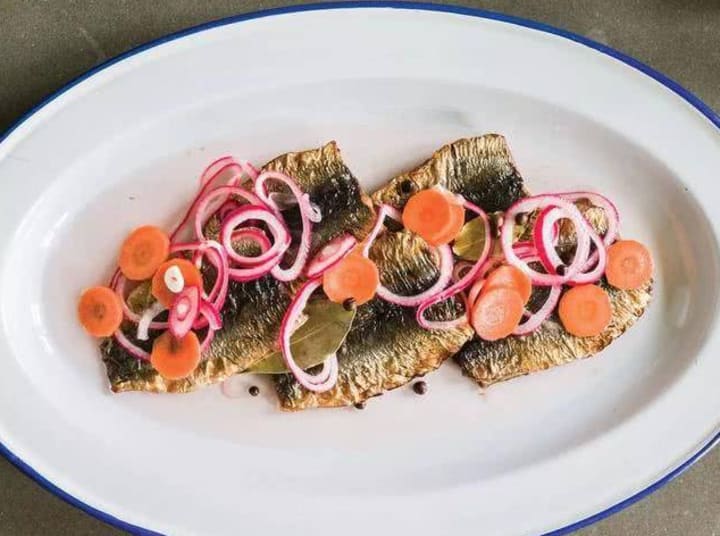
Longevity is not a dream
Thick and thin
The grain varieties that middle-aged and elderly people eat every day, it is best to have a combination of thickness and fineness, and a variety of mixed foods.
Protein supplement
Animal foods (meat, poultry, fish, eggs, etc.), beans and soy products, because they are high-quality sources of protein, and can provide a certain amount of fat, minerals and some vitamins. The daily diet should be selected in moderation, if conditions permit , It is best to drink milk once a day (soy milk is also OK).
Vegetables are indispensable
The intake of vegetables is indispensable, otherwise it will not be able to meet the minerals, vitamins and fiber needed by the body. The elderly should eat about 400 grams of green vegetables a day, and eat as much green leafy vegetables as possible.
Multipurpose vegetable oil
In addition, pay attention to the cooking oil. Vegetable oil should be used mainly in the diet of middle-aged and elderly people, animal oil should be used less, and fat should not be consumed too much.
Nutritional supplement
As middle-aged and elderly people grow older, the activity of digestive enzymes in the gastrointestinal tract will decrease to varying degrees, tooth loss, and reduced chewing ability, etc. These will limit the elderly's choice of certain foods and make it difficult to meet their nutritional needs. Therefore, in addition to obtaining the nutrients needed by the body during the three meals, Professor Liu also pays attention to supplementing some nutritional preparations on weekdays. For example, take Vc, VE, multivitamin B, calcium tablets, etc., and constantly adjust according to your physical condition. This depends on personal circumstances. Professor Liu does not advocate that others follow suit.
Follow the longevity elderly to eat like this, you can live to 100+
1 95% of food comes from plants
Whole grain cereals and legumes account for a large proportion of the diet of long-lived elderly people. They also eat a lot of seasonal vegetables and pickle or air-dry the excess vegetables for consumption in winter.
Studies have shown that the most beneficial food for longevity is green leafy vegetables. Compared with people of the same age who do not consume green vegetables, adults who eat 1 plate of vegetables a day will have a half-life risk in the next four years.
2 Eat meat no more than twice a week
Most longevity families eat meat sparingly, either as a side dish or as a seasoning for other dishes. They only eat meat five times a month, no more than 2 ounces (approximately 57 grams, equivalent to the size of a deck of playing cards) each time.
At the same time, they prefer to eat chicken, lamb or pork from family farms. Most of these animals feed freely and contain more omega-3 fatty acids in their bodies.
3 Eat an average of 85 grams of fish a day
Fish meat is the most common in the daily diet of long-lived elderly. In most cases, the quality of fish grown by eating seaweed, such as sardines, salmon, and yellow croaker, is less exposed to high concentrations of mercury and other harmful chemicals.
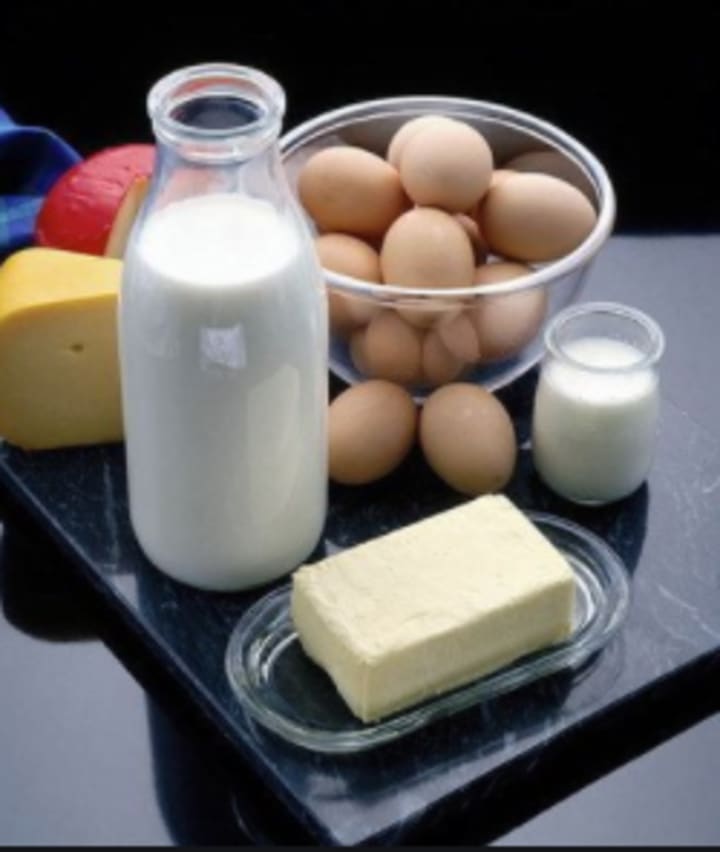
4 Eat three eggs a week
People in the longevity area only eat one egg at a time, and never eat more. They either roll omelets into corn tortillas, or cook them in soups, and eat them with other fruits, vegetables and whole grains.
5 Eat half a cup of cooked beans every day
Legumes (black beans, soybeans, lentils, etc.) are the most important part of the diet of people in longevity areas. Beans are composed of 21% protein, 77% complex carbohydrates and a small amount of fat. They are an excellent source of dietary fiber. Beans contain a lot of vitamins and minerals, and their nutritional value is higher than many foods.
6 Eat whole wheat bread
Bread is the staple food of people in the longevity area, but the ingredients are different from ordinary bread. It is made from a variety of grains, including wheat, rye and barley; each ingredient contains a variety of nutrients and a large amount of dietary fiber; it helps digestion and has a low glycemic index.
7 Reduce sugar consumption
Residents in the Longevity District consume only one-fifth of the amount of sugar consumed by modern people. They usually only eat biscuits, candies and baked goods 2 to 3 times a week. Centenarians generally only put some honey in their tea, or eat a little dessert on celebration occasions.
8 Eat two handfuls of nuts a day
Researchers at Harvard University have found through a 30-year follow-up survey that compared with those who do not eat nuts, those who eat nuts have a 20% lower death rate. Other studies have shown that a nut-containing diet can reduce the content of low-density lipoprotein by 20% and reduce the incidence of cardiovascular disease.
9 Increase water intake
Make sure to drink seven glasses of water every day. Adequate body water can reduce the risk of blood clots.
10 Drink only red wine
Residents in longevity areas drink 1 to 3 glasses of wine a day. The latter helps the body's system absorb plant antioxidants. A small amount of drinking can reduce stress and promote overall health.
11 Drink green tea and coffee often
Green tea has anti-inflammatory properties. Drinking green tea can reduce people's risk of heart disease and some cancers. Studies have also shown that people who drink coffee in moderation have a lower incidence of Alzheimer's and Parkinson's disease.
12 kinds of food to eat together
If you are worried about not getting enough protein from plant foods, the solution is to combine beans, grains, nuts, and vegetables. Together, they can provide all the essential amino acids that the body cannot synthesize.
About the Creator
Keep reading
More stories from writers in Longevity and other communities.
Day 4 of Quitting
If this is how sobriety feels, maybe it’s better to go through life a little buzzed… this, along with other hits like, I want to kill myself, I wish I was dead, and I’m going to throw myself off a bridge have been the only thoughts on rotation these past few days. I promise myself that if, in a month, I still feel like this (‘this’ meaning despondent, full of rage, and simultaneously numb) I can go back to smoking. Until mid-February though? Nicotine is off the table.
By sleepy drafts24 days ago in Longevity
Most People Don't Feel Unhealthy ...Until Their Body Starts Limiting Their Life
Most people don't wake up one day and feel unhealthy. That's the problem. Decline doesn't announce itself. It blends in. It feels like stress. Like being busy. Like getting older. Like a phase that will pass once things calm down.
By Destiny S. Harris2 days ago in Longevity


Comments
There are no comments for this story
Be the first to respond and start the conversation.