
Fallopian Tube Adhesions: How These Crucial Exams Hold the Key to Your Fertility Dreams
Fallopian Tube Adhesions: Discover These Key Detection Exams


Fallopian tube adhesions are a prevalent gynecological issue that can significantly impair a woman's fertility, often leading to infertility if left untreated. Many women suffering from this condition remain unaware until they face difficulties conceiving. Given the critical role fallopian tubes play in reproductive health—facilitating the meeting of sperm and egg—early detection and treatment are essential. This article explores the key diagnostic methods for identifying fallopian tube adhesions, available treatment options, and preventive measures to maintain optimal reproductive health.
Diagnostic Methods for Fallopian Tube Adhesions
Accurate diagnosis is the first step toward effective treatment. Several medical examinations can confirm the presence of fallopian tube adhesions, each offering unique insights into the condition.
1. Hysteroscopy
Hysteroscopy is a minimally invasive procedure that allows doctors to examine the uterine cavity and cervical canal using a thin, lighted tube (hysteroscope) inserted through the vagina. This method not only detects abnormalities within the uterus but also helps identify adhesions in the fallopian tubes. If adhesions are present, they can often be visualized directly, enabling prompt intervention.
2. Tubal Flushing (Hydrotubation)
Tubal flushing involves injecting a sterile saline solution or specialized medication into the uterus through the cervix. The flow of the fluid helps assess whether the fallopian tubes are open or obstructed. If the fluid encounters resistance or fails to pass through, it suggests the presence of adhesions or blockages. This procedure is both diagnostic and therapeutic, as it may help clear minor obstructions.
3. Hysterosalpingography (HSG)
HSG is a widely used imaging technique where a contrast dye is introduced into the uterine cavity via a catheter. X-ray imaging then tracks the dye’s movement through the fallopian tubes. If the dye does not flow freely, it indicates a blockage caused by adhesions. HSG provides a clear visualization of the uterine shape and tubal patency, making it a valuable tool in infertility evaluations.
4. Laparoscopy
Laparoscopy is a surgical procedure that involves inserting a small camera through a tiny abdominal incision to examine the pelvic organs directly. This method offers a definitive diagnosis of fallopian tube adhesions and allows for simultaneous treatment, such as adhesiolysis (removal of adhesions). While more invasive than other diagnostic techniques, laparoscopy provides the most accurate assessment of tubal health.
5. Falloposcopy
Falloposcopy is a specialized endoscopic procedure that examines the interior of the fallopian tubes. A flexible fiber-optic scope is guided through the cervix and into the tubes, offering a detailed view of any obstructions or adhesions. Though less commonly used due to its complexity, it provides precise information about tubal conditions.
Potential Risks of Untreated Fallopian Tube Adhesions
If left untreated, fallopian tube adhesions can lead to:
Infertility – Blocked tubes prevent sperm from reaching the egg, hindering fertilization.
Ectopic Pregnancy – Partial blockages may trap a fertilized egg in the tube, leading to a life-threatening ectopic pregnancy.
Chronic Pelvic Pain – Adhesions can cause persistent discomfort and inflammation.
Early diagnosis and intervention are crucial to mitigating these risks.
Treatment Options for Fallopian Tube Adhesions
1. Medication Therapy
Many cases of tubal adhesions stem from chronic infections such as pelvic inflammatory disease (PID) or salpingitis. Anti-inflammatory medications, including traditional Chinese herbal formulas like Fuyan Pill, can help reduce inflammation, improve blood circulation, and promote healing.
2. Surgical Interventions
For severe adhesions, surgical procedures may be necessary:
Laparoscopic Adhesiolysis – A minimally invasive surgery to remove adhesions and restore tubal function.
Tubal Flushing with Laparoscopy – Combines diagnostic and therapeutic benefits by flushing the tubes while visualizing the pelvic cavity.
3. Assisted Reproductive Technologies (ART)
If tubal damage is irreversible, in vitro fertilization (IVF) may be recommended, bypassing the fallopian tubes entirely.
Preventive Measures to Protect Fallopian Tube Health
1. Maintain a Nutrient-Rich Diet
A balanced diet supports reproductive health. Key nutrients include:
Iron & Calcium – Found in leafy greens, nuts, and dairy products.
Omega-3 Fatty Acids – Present in fish, flaxseeds, and walnuts to reduce inflammation.
Antioxidant-Rich Foods – Berries, citrus fruits, and legumes help combat oxidative stress.
2. Prompt Treatment of Infections
Untreated sexually transmitted infections (STIs) or pelvic infections can lead to scarring. Seek immediate medical care for symptoms like abnormal discharge, pelvic pain, or irregular bleeding.
3. Menstrual Hygiene Practices
During menstruation, the body is more susceptible to infections. To minimize risks:
Change sanitary products frequently.
Avoid sexual intercourse during periods.
Refrain from unnecessary gynecological procedures while menstruating.
4. Regular Gynecological Checkups
Routine screenings help detect infections or abnormalities early, preventing complications like adhesions.
Conclusion
Fallopian tube adhesions are a leading cause of infertility, but timely diagnosis and treatment can restore reproductive function. Diagnostic tools such as HSG, laparoscopy, and hysteroscopy provide accurate assessments, while treatments range from medication to surgery. Adopting preventive measures—such as a healthy diet, infection control, and proper menstrual care—can safeguard tubal health. Women experiencing fertility challenges should consult a specialist to explore appropriate diagnostic and treatment options.
By prioritizing early intervention and preventive care, women can enhance their chances of maintaining optimal fertility and overall reproductive well-being.
About the Creator
Health For You
Health For You! haring simple, practical wellness tips to help you thrive. Making health approachable, one story at a time!
Keep reading
More stories from Health For You and writers in Longevity and other communities.
Ballache" Isn't a Joke: Unveiling the Alarming Truth Behind That Pain
The testicles are a vital part of the male reproductive system, playing a crucial role in hormone production and sperm generation. Under normal circumstances, these organs should not cause discomfort. However, when pain arises, it can signal underlying health issues that may affect fertility and overall well-being. While the term "ballache" is often used colloquially to describe frustration, actual testicular pain should never be ignored.
By Health For You10 months ago in Longevity
Day 4 of Quitting
If this is how sobriety feels, maybe it’s better to go through life a little buzzed… this, along with other hits like, I want to kill myself, I wish I was dead, and I’m going to throw myself off a bridge have been the only thoughts on rotation these past few days. I promise myself that if, in a month, I still feel like this (‘this’ meaning despondent, full of rage, and simultaneously numb) I can go back to smoking. Until mid-February though? Nicotine is off the table.
By sleepy drafts12 days ago in Longevity
The Hidden Power of the Nerve Endings in Your Feet
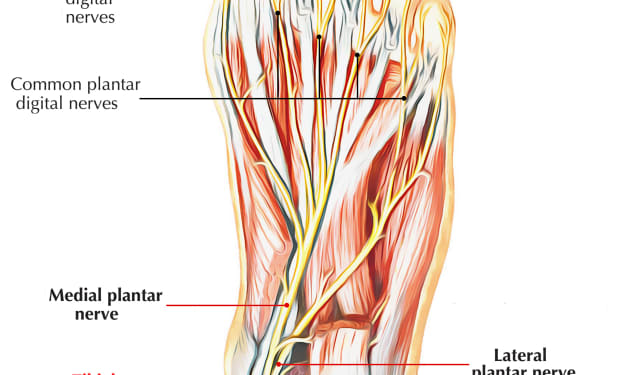
Most people don’t give much thought to their feet unless they’re uncomfortable or tired. Yet beneath the surface, the nerve endings in the feet are constantly working, sending vital information to the brain that influences balance, posture, and movement. These signals operate quietly in the background, but they play a far greater role in daily life than many people realize.
By AhmedFitLife5 days ago in Longevity



Comments
There are no comments for this story
Be the first to respond and start the conversation.