
Ballache" Isn't a Joke: Unveiling the Alarming Truth Behind That Pain
You Won't Believe How Grave the Ballache Can Be

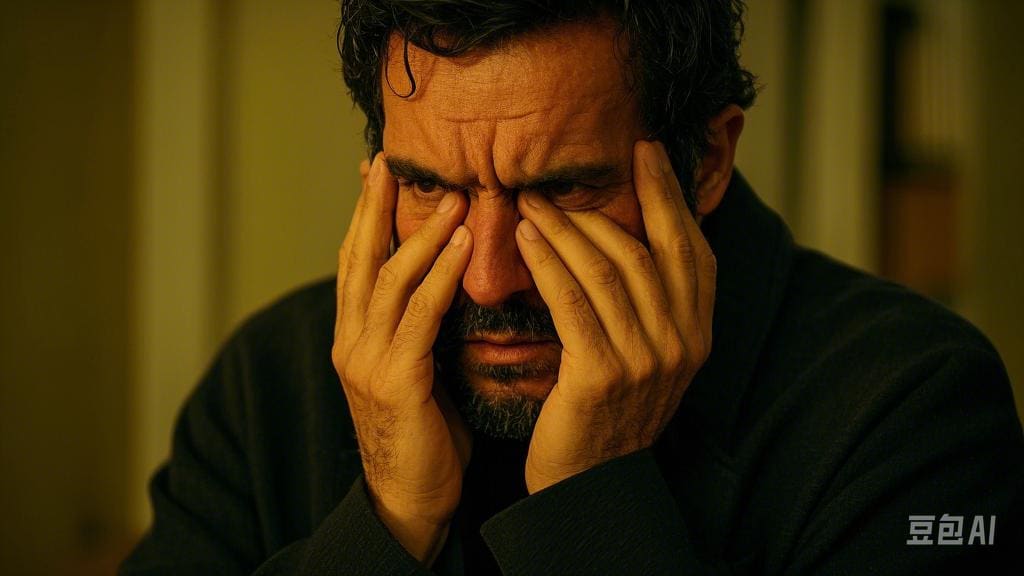
The testicles are a vital part of the male reproductive system, playing a crucial role in hormone production and sperm generation. Under normal circumstances, these organs should not cause discomfort. However, when pain arises, it can signal underlying health issues that may affect fertility and overall well-being. While the term "ballache" is often used colloquially to describe frustration, actual testicular pain should never be ignored.
This article explores the common causes of testicular pain, their implications, and the importance of timely medical intervention.
The Role of the Testes in Male Health
The testes, housed within the scrotum, are responsible for producing testosterone and sperm. Testosterone influences male sexual development, muscle growth, and secondary characteristics like facial hair. Meanwhile, sperm production is essential for fertility. Any disruption to these functions—whether due to injury, infection, or structural abnormalities—can lead to significant health consequences.
Common Causes of Testicular Pain
1. Testicular Trauma
The testicles are naturally mobile and somewhat protected within the scrotum. However, direct impact—such as from sports injuries, accidents, or blunt force—can cause severe pain, swelling, bruising, or even rupture. Immediate first aid includes:
Elevating the scrotum to reduce swelling.
Applying ice to minimize inflammation.
Seeking emergency medical care if pain persists or worsens.
Ignoring trauma can lead to complications like hematomas (blood pooling) or long-term damage to reproductive function.
2. Epididymo-orchitis (Epididymitis & Orchitis)
This condition involves inflammation of the epididymis (a coiled tube behind the testicle) or the testicle itself, often due to bacterial or viral infections. Common causes include sexually transmitted infections (STIs) like chlamydia or urinary tract infections (UTIs).
Symptoms include:
Sudden, severe scrotal pain (usually one-sided).
Swelling, redness, and warmth in the affected area.
Fever, chills, and nausea in acute cases.
Chronic epididymitis may develop if the infection isn’t fully treated, potentially leading to infertility. Antibiotics are typically prescribed, along with pain management and rest.
3. Testicular Torsion (A Medical Emergency)
Testicular torsion occurs when the spermatic cord twists, cutting off blood supply to the testicle. This condition is most common in adolescents and young adults but can occur at any age.
Warning signs include:
Sudden, intense pain (often during sleep or physical activity).
Swelling, nausea, and vomiting.
One testicle appearing higher than the other.
Time is critical: Without treatment within 6 hours, permanent damage or loss of the testicle may occur. Surgery is required to untwist the cord and secure the testicle to prevent recurrence.
Prostatitis—inflammation of the prostate gland—can cause referred pain in the testicles, groin, and lower back. Chronic cases may also lead to urinary symptoms (frequent urination, burning sensation) and sexual dysfunction.
Management includes:
Antibiotics (if bacterial).
Anti-inflammatory medications.
Lifestyle adjustments (hydration, stress reduction).
Herbal remedies like Diuretic and Anti-inflammatory Pill (used in traditional medicine to alleviate symptoms).
5. Varicocele (Enlarged Veins in the Scrotum)
A varicocele is similar to varicose veins but occurs in the scrotum. It develops due to faulty valves in the veins, causing blood to pool and veins to enlarge.
Symptoms may involve:
Dull, aching pain (worse with prolonged standing or physical exertion).
Visible swollen veins (often described as a "bag of worms").
Possible impact on sperm quality and fertility.
Treatment ranges from supportive measures (scrotal support, pain relief) to surgical repair if fertility is affected.
Why Ignoring Testicular Pain Is Dangerous
Many men dismiss testicular discomfort, assuming it will resolve on its own. However, delaying treatment can lead to:
Infertility: Conditions like epididymitis or torsion can impair sperm production.
Tissue Death: Torsion cuts off blood flow, risking testicular loss.
Chronic Pain: Untreated infections or inflammation may cause long-term discomfort.
When to See a Doctor
Seek immediate medical attention if you experience:
✔ Sudden, severe pain.
✔ Swelling, redness, or fever.
✔ Nausea/vomiting alongside testicular discomfort.
✔ A lump or abnormal texture in the scrotum.
Early diagnosis improves outcomes, whether through medication, surgery, or lifestyle adjustments.
Conclusion
Testicular pain is not just an inconvenience—it can be a sign of serious health issues. Understanding the potential causes and acting swiftly can preserve fertility, prevent complications, and ensure long-term well-being. If you or someone you know experiences persistent or severe discomfort, consult a urologist promptly. Your reproductive health is worth protecting.
By staying informed and proactive, men can avoid unnecessary suffering and safeguard their future fertility. Don’t dismiss "ballache" as trivial—your body might be signaling a problem that needs urgent attention.
About the Creator
Health For You
Health For You! haring simple, practical wellness tips to help you thrive. Making health approachable, one story at a time!
Keep reading
More stories from Health For You and writers in Longevity and other communities.
From Prostate to Periods: Quirky Health Clues You Shouldn’t Ignore
Health isn’t just about feeling good today—it’s about staying strong for tomorrow. For both men and women, reproductive health plays a huge role in overall wellness, yet it’s often overlooked until something goes wrong. Today, let’s break down some common conditions affecting the male reproductive system and women’s gynecological health, along with practical ways to stay ahead of them. My goal? To keep it simple, approachable, and empowering—so you can take charge of your health with confidence.
By Health For You11 months ago in Longevity
Day 4 of Quitting
If this is how sobriety feels, maybe it’s better to go through life a little buzzed… this, along with other hits like, I want to kill myself, I wish I was dead, and I’m going to throw myself off a bridge have been the only thoughts on rotation these past few days. I promise myself that if, in a month, I still feel like this (‘this’ meaning despondent, full of rage, and simultaneously numb) I can go back to smoking. Until mid-February though? Nicotine is off the table.
By sleepy drafts12 days ago in Longevity
Japan Orthopedic Prosthetics Market Size and Forecast 2025–2033
Japan Orthopedic Prosthetics Market Overview Japan’s orthopedic prosthetics market is entering a new phase of steady and technology-driven expansion, shaped by demographic shifts, healthcare modernization, and rising awareness of mobility restoration solutions. According to Renub Research, the Japan Orthopedic Prosthetics Market is expected to reach US$ 163.04 million by 2033, up from US$ 104.65 million in 2024, growing at a CAGR of 5.05% from 2025 to 2033.
By Renub Researchabout 14 hours ago in Longevity
How to Succeed at the Benson Directory®
Congratulations and welcome to the Benson Directory® employee #22391! As our newest call handler, you will have the privilege of speaking with dozens of unique and interesting people on a daily basis as well as the opportunity to earn bonuses for high performance. Contained within this handbook you will find a set of ease to follow instructions designed to help you settle in to your new role and begin paving the way to success.
By S. A. Crawford3 days ago in Fiction




Comments
There are no comments for this story
Be the first to respond and start the conversation.