
Exploring the High-Protein Diet: Benefits, Foods, and Safety Tips
The Ultimate Guide to Nutrition and Health
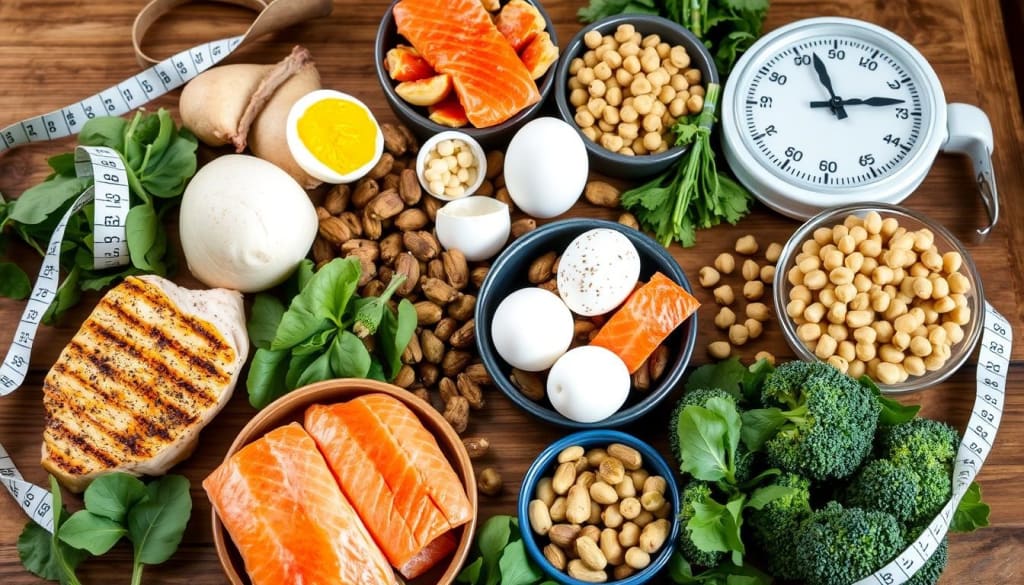
Men need about 60 grams of protein daily, while women should aim for at least 50 grams. This shows how important protein is in our diets. High protein diets are popular for helping with weight loss and boosting health. It's key to know the science behind protein and its role in a healthy diet.
Before starting a high-protein diet, it's important to know the risks. These include possible harm to the kidneys and an increased heart disease risk from red and processed meats. Yet, high-protein diets can help with weight loss by making you feel fuller. It's important to choose quality protein sources like soy, beans, nuts, fish, lean chicken, and low-fat dairy.
- Key Takeaways
- High-protein diets can help with weight loss by increasing satiety
- Adult men require at least 56 grams of protein per day, while adult women require at least 46 grams
- Quality protein sources, such as soy protein and lean chicken, are essential for a balanced high-protein diet
- High-protein diets may pose risks to kidney function and heart health if not properly planned
- Aim to consume 10 to 35% of your daily calories as protein for optimal health benefits
- Consult a healthcare provider before starting a high-protein diet, specially if you have pre-existing health conditions
- High protein intake can increase satiety and promote weight loss during a caloric deficit
Understanding High Protein Diets
A high-protein diet means eating more protein. This can help with weight management and health. Medical News Today says it can make you feel full and aid in weight loss.
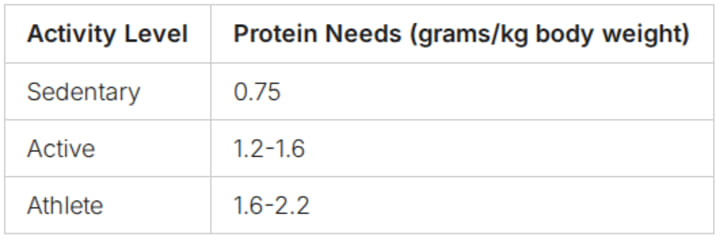
To figure out how much protein you need, think about your weight and how active you are. For example, a sedentary person might need 0.75 grams of protein per kilogram of body weight. An active person might need 1.2-1.6 grams. It's also key to choose high-quality protein from both animal and plant sources.
What Defines a High-Protein Diet
A high-protein diet has more than 20% of calories from protein. You can get this by eating lean meats, fish, eggs, dairy, and legumes. Remember, a balanced diet also includes carbs and fats.
How Much Protein Should You Eat
The right amount of protein varies based on your needs and goals. A high-protein diet suggests 1.2-1.6 grams of protein per kilogram of body weight daily. For instance, a 150-pound person might need 82-116 grams of protein each day.
Calculating Your Daily Protein Needs
To find your daily protein needs, use the formula: 1.2-1.6 grams of protein per kilogram of body weight. Consider your activity level and health goals too. It's wise to talk to a healthcare professional or registered dietitian for a personalized diet plan.
The Science Behind Protein and Your Body
When you eat a lot of protein, your body starts to work on it. It breaks down the protein into amino acids. These amino acids are key for muscle growth and muscle repair. The Mayo Clinic says protein is vital for fixing and building muscles, bones, and tissues.
Eating a lot of protein can help a lot. It boosts muscle growth and muscle repair. Protein gives your body the parts it needs to fix and grow muscles. It also helps speed up your metabolism, which can aid in losing weight.
High-protein diets offer many benefits. They help grow and repair muscles, improve metabolism, and aid in weight loss. They also boost overall health and well-being.
The daily protein need for adults is about 48-56 g. But, studies show eating more protein, up to 1.2-2.0 g/kg/day, can be even better for health and muscle growth.
Benefits of a High-Protein Diet
A high-protein diet offers many advantages. It can help you lose weight, build muscle, and recover faster. It also keeps you full, making it easier to follow your diet.
The Dietary Guidelines of Americans 2020-2025 recommend 10% to 30% of daily calories come from protein. Many people don't get enough protein because of all the carbs in processed foods. Adding protein-rich foods to your diet can help grow muscles, which is great for those who work out.
- Weight loss: A high-protein diet can lead to weight loss of about 5-10% in a controlled environment when combined with a calorie deficit.
- Muscle growth: Protein intake of 25-30 grams per meal has been shown to optimize muscle protein synthesis, specially post-exercise.
- Improved satiety: Studies suggest that high-protein diets can increase satiety levels by 15-20% compared to lower-protein diets.
- Enhanced recovery: A high-protein diet can help with recovery and performance, making it ideal for athletes and individuals who engage in regular physical activity.
In summary, a high-protein diet can greatly improve your health and wellbeing. By adding protein-rich foods to your diet, you can enjoy the many benefits of a high-protein diet. This can enhance your quality of life.
Essential Protein Sources for Your Diet
It's key to eat a variety of protein sources to meet your daily needs. Animal-based foods like lean meats, fish, eggs, and dairy are great. For instance, a 3-ounce salmon has about 20 grams of protein. A large egg has about 6 grams.
Plant-based proteins are also good. Beans, lentils, tofu, and tempeh are some examples. A 1-cup cooked black bean has about 15 grams of protein. A 3-ounce tofu has about 9 grams.
Animal-Based Protein Foods
Some animal-based protein foods include:
- Lean meats: chicken breast, turkey breast, lean beef
- Fish: salmon, tuna, tilapia
- Eggs
- Dairy products: milk, Greek yogurt, cottage cheese
Plant-Based Protein Options
Some plant-based protein options include:
- Beans: black beans, chickpeas, kidney beans
- Lentils
- Tofu
- Tempeh
Protein Supplements and Powders
Protein supplements and powders are also options. They're good for those who find it hard to get enough protein from food. But, make sure to pick a high-quality one with no added sugars or artificial stuff.
Creating a Healthy Diet with High Protein
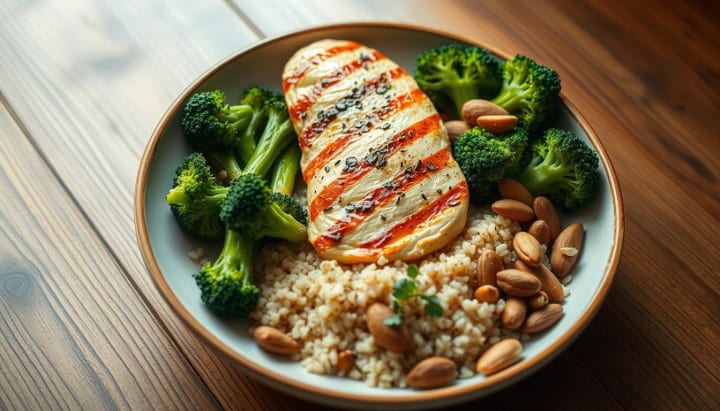
To make a healthy diet with lots of protein, add different nutrient-dense foods to your meals. Include fruits, veggies, whole grains, and lean proteins. A balanced diet with plenty of protein helps you stay healthy, build muscle, and feel good.
Adult men should aim for 56 grams of protein a day. Women should aim for 46 grams. You can get this by eating high protein foods like lean meats, fish, eggs, dairy, and legumes. Eating enough protein helps you feel full longer, making it easier to follow your diet.
Some nutrient-dense foods high in protein are: * Lean meats like chicken and turkey * Fish like salmon and tuna * Eggs and dairy products like milk and Greek yogurt * Legumes like chickpeas and lentils * Nuts and seeds like almonds and chia seeds
Don't forget to eat a variety of fruits, veggies, and whole grains too. A healthy diet with lots of protein helps you reach your health and fitness goals. Plan your meals well and stay consistent.
Potential Risks and Considerations
When you start a high-protein diet, knowing the risks is key. The Mayo Clinic warns that it might harm kidney function in those with kidney disease. Also, eating too much protein can cause weight gain, mainly if it replaces carbs with fat.
The risks of high-protein diet also touch on cardiovascular health. Eating more red and processed meat can raise cancer risks. A 2018 study found that long-term red meat eating boosts TMAO levels, linked to heart disease.
For the digestive system, high-protein diets might cause constipation if you don't eat enough fiber. It's important to eat a variety of foods to avoid these risks.
To avoid these risks, talk to a healthcare pro or a registered dietitian. They can help you find the right diet for you. Knowing the risks helps you make better choices and stay healthy.
Implementing a High-Protein Diet for Weight Loss
A high-protein diet can help with weight loss. It keeps you full, boosts your metabolism, and builds muscle. To make it work, plan your meals and control your portions.
Include lean meats, fish, eggs, and legumes in your diet. Balance them with healthy fats and complex carbs. Portion control is key to avoid too many calories.
Meal Planning Strategies
Here are some meal planning tips:
- Eat protein-rich foods at every meal to help regulate hunger and support muscle growth
- Incorporate healthy fats and complex carbohydrates into your meals to provide sustained energy
- Drink plenty of water throughout the day to stay hydrated and support overall health
These tips and portion control can help you lose weight. Always talk to a healthcare professional or dietitian before changing your diet.
Portion Control Guidelines
Follow these guidelines for portion control:
- Aim for 0.7 to 1 gram of protein per pound of lean body mass
- Include a source of protein at every meal
- Balance your protein intake with healthy fats and complex carbohydrates
By following these steps, you can reach your weight loss goals. A high-protein diet is part of a bigger plan for health and well-being.
Remember, a high-protein diet is just one part of a complete weight loss plan. Don't forget regular exercise and a balanced lifestyle.
Combining Protein Foods with Other Nutrients
For a balanced diet, mix protein foods with healthy fats and complex carbs. The Mayo Clinic says a healthy diet has many nutrient-dense foods. This mix helps keep you healthy, strong, and well.
A balanced diet includes various protein foods like lean meats, fish, eggs, and dairy. Plant-based options like legumes, nuts, and seeds are also good. These foods give you all the nutrients you need for health.
- Lean meats like chicken, turkey, and beef
- Fish like salmon, cod, and shrimp
- Eggs and dairy products like milk, cheese, and yogurt
- Plant-based options like legumes, nuts, and seeds
The RDA for protein intake is 0.36 grams per pound of body weight. You can meet this by eating different protein foods all day. This way, you get a balanced diet that's good for your health.
Don't forget to add other nutrient-dense foods like whole grains, fruits, and veggies to your diet. They give you important vitamins, minerals, and fiber. Mixing protein foods with these other foods makes a balanced diet that's great for your health.
Special Considerations for Different Lifestyles
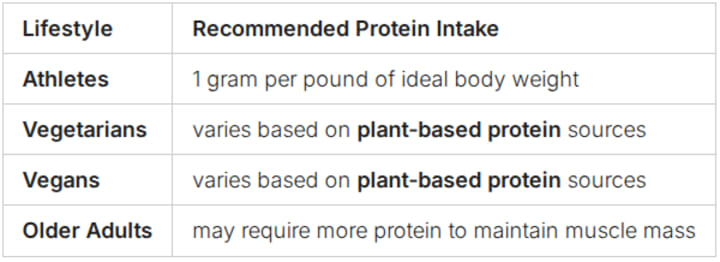
When it comes to protein intake, special considerations are key for different lifestyles. For athletes and those who are very active, more protein is needed. This is to help grow and repair muscles. Medical News Today suggests up to 1 gram of protein per pound of ideal body weight.
Vegetarians and vegans need to focus on their protein sources. They often use plant-based options. Older adults also have special needs. Their bodies might need more protein to keep muscles strong and healthy.
Planning your diet with these special considerations in mind is important. It helps ensure you get enough protein intake. You might want to talk to a healthcare professional or a registered dietitian. They can help figure out the best plan for you.
Common Mistakes to Avoid on a High-Protein Diet
Following a high-protein diet means knowing the common mistakes that can slow you down. One big mistake is forgetting to balance your protein intake with other foods. A balanced diet is key for staying healthy.
A good high-protein diet includes foods from all groups. Some common mistakes to dodge are:
- Eating too much protein and losing balance in your diet
- Not drinking enough water, which is important when you eat more protein
- Not watching your calorie intake, which can cause weight gain
The Mayo Clinic says a high-protein diet needs to be balanced with other foods for health. By avoiding these mistakes and focusing on balance, you can follow a healthy high-protein diet.
To keep your diet balanced, aim for 20-35% of your calories to come from protein intake. This mix of healthy carbs and fats supports your health in the long run.

Conclusion
A high-protein diet can help with weight management and muscle growth. It also improves how full you feel and aids in recovery. But, it's important to balance it carefully.
Make sure to eat a variety of protein sources. This includes both animal and plant-based options. Pairing protein with carbs and healthy fats is key for a balanced diet. Following portion sizes and staying active helps you enjoy the diet's benefits without harm.
Keep in mind, a high-protein diet isn't for everyone. Always talk to a healthcare expert or dietitian. They can help you figure out the right amount of protein for you. With the right guidance, you can make the most of a high-protein diet.
FAQ
What defines a high-protein diet?
A high-protein diet gets 20-35% of its calories from protein. This is more than the usual 10-15%.
How much protein should you eat on a high-protein diet?
The right amount of protein varies by individual. It's usually between 1.6 to 2.2 grams per kilogram of body weight daily.
How do you calculate your daily protein needs?
To figure out your daily protein, use a simple formula. For a sedentary person, it's 0.8 grams per kilogram of body weight. For the active or those building muscle, it's 1.2-2.0 grams per kilogram.
What are the benefits of a high-protein diet?
A high-protein diet helps with weight management and fat loss. It also aids in muscle growth and maintenance. Plus, it improves satiety, appetite control, and recovery.
What are the best sources of protein for a high-protein diet?
Great protein sources include animal products like meat, poultry, fish, eggs, and dairy. Plant-based options like beans, lentils, nuts, seeds, and soy products are also excellent.
How can you create a healthy diet with high protein?
To make a healthy high-protein diet, eat a variety of foods. Include lean proteins, fruits, vegetables, whole grains, and healthy fats. Remember to watch portion sizes and total calories.
What are the potentially risks and considerations of a high-protein diet?
High-protein diets might affect kidney function, heart health, and digestion. Always monitor your intake and talk to a healthcare professional, if needed.
How can a high-protein diet be implemented for weight loss?
For weight loss, plan your meals and control portions. Focus on high-protein, nutrient-dense foods to help manage calories and stay full.
How can protein foods be combined with other nutrients for optimal health?
For optimal health, mix protein-rich foods with healthy fats and complex carbs. This creates a balanced and varied diet.
What are the special considerations for different lifestyles on a high-protein diet?
Considerations vary by lifestyle. Athletes, vegetarians, vegans, and older adults have unique protein needs. They should focus on specific nutrient sources.
What are some common mistakes to avoid on a high-protein diet?
Avoid neglecting other nutrients and overemphasizing protein. Also, don't forget to keep your diet balanced and varied
About the Creator
FitifyNet
Fitify.net: Your ultimate fitness hub! Explore expert tips, workout plans, healthy recipes, and motivation to achieve your health goals. Join our community & transform your lifestyle today.
Day 4 of Quitting
If this is how sobriety feels, maybe it’s better to go through life a little buzzed… this, along with other hits like, I want to kill myself, I wish I was dead, and I’m going to throw myself off a bridge have been the only thoughts on rotation these past few days. I promise myself that if, in a month, I still feel like this (‘this’ meaning despondent, full of rage, and simultaneously numb) I can go back to smoking. Until mid-February though? Nicotine is off the table.
By sleepy drafts13 days ago in Longevity
Global Nano Robotics Market Size & Forecast 2025–2033
Introduction: The Rise of Machines Too Small to See In the world of frontier technologies, few areas capture imagination quite like nanorobotics. These are not the mechanical robots of factory floors, but devices engineered at the nanoscale—typically between 1 and 100 nanometers—capable of interacting with matter at the atomic and molecular level. Once confined to theoretical physics and science fiction, nanorobots are now stepping into laboratories, hospitals, and advanced manufacturing environments across the globe.
By Janine Root 6 days ago in Longevity
Miss Persephone's Manual to a Seemingly Ordinary Life
Miss Persephone was found at the dining table, her blue eyes swollen, her tears arriving and retreating like the tides of the ocean. Earlier that day, her family had visited her in the retirement home where she had lived for eight years. It was her eightieth birthday.
By Imola Tóth5 days ago in Fiction


Comments
There are no comments for this story
Be the first to respond and start the conversation.