
Europe Photodynamic Therapy Market Size and Forecast 2025–2033
Rising Skin Disorders, Cancer Cases, and Non-Invasive Treatment Demand Fuel Europe’s Photodynamic Therapy Boom


The Europe Photodynamic Therapy (PDT) Market is entering a phase of rapid transformation as demand surges for advanced, non-invasive treatment options across dermatology and oncology. According to Renub Research, the market is projected to reach US$ 1.12 billion in 2025 and nearly double to US$ 2.06 billion by 2033, growing at a strong CAGR of 6.95% between 2025 and 2033. This remarkable rise reflects Europe’s shifting healthcare priorities, an aging population, rising cancer incidence, and technological innovation that is reshaping the clinical landscape.
Photodynamic therapy, once considered a niche treatment method, is today recognized as a highly targeted, effective, and cosmetically favorable solution for various cancers and skin conditions. As European healthcare systems continue prioritizing minimally invasive procedures, PDT is steadily gaining traction in hospitals, dermatology clinics, and cancer treatment centers across the continent.
Europe Photodynamic Therapy Market Outlook
Photodynamic Therapy (PDT) is a minimally invasive medical procedure that uses a combination of a photosensitizing drug and a specific wavelength of light to activate therapeutic reactions at the cellular level. When exposed to light, the drug generates reactive oxygen species that selectively destroy abnormal or diseased cells — making PDT a precise and controlled method of treatment.
The therapy has a wide and growing scope of application. It is frequently used to treat:
Skin cancers, including basal cell carcinoma and actinic keratosis
Precancerous lesions
Esophageal and lung cancers
Acne and psoriasis
Cosmetic concerns, such as skin rejuvenation and scar reduction
PDT’s appeal lies in its ability to deliver highly localized treatment with minimal systemic side effects, unlike chemotherapy or radiation. Patients typically experience faster recovery, less scarring, and lower discomfort, increasing acceptance among both clinicians and patients.
With Europe’s aging population, rising cancer burden, and rapid advancements in laser and light-based medical technologies, PDT is moving from an adjunct therapy to a mainstream clinical solution.
Growth Drivers in the Europe Photodynamic Therapy Market
1. Increasing Prevalence of Cancer and Skin Disorders
Europe is witnessing a significant rise in cancer incidence, driven largely by an aging demographic. Conditions such as basal cell carcinoma, actinic keratosis, and squamous cell carcinoma are particularly common among older adults. PDT offers an effective alternative to traditional surgery, especially in cases where cosmetic outcomes matter or where surgical risks are high.
According to EFPIA, cancer incidence in Europe surged from 2.1 million cases in 1995 to 3.1 million in 2018 — an increase of nearly 50%. With projections estimating up to 775,000 additional cases by 2040, the demand for effective, minimally invasive treatments like PDT will continue to climb.
Skin conditions such as acne and psoriasis are also becoming more prevalent due to lifestyle changes, pollution, stress, and genetic predispositions, further driving PDT adoption.
2. Rapid Technological Advancements in PDT Devices
Europe’s photodynamic therapy market is benefiting from rapid innovation in:
Light delivery systems
Photosensitizer drug formulations
Laser engineering
Smart and portable medical devices
These advancements enable better tissue penetration, shorter treatment sessions, and improved clinical outcomes.
A notable example includes Sony’s PDT-FP1 portable data transmitter, launched in February 2024, enabling efficient image and video transfers. While not a PDT device itself, the increased integration of high-tech imaging and data systems enhances procedure precision and workflow efficiency in clinical environments.
As PDT devices become more advanced, compact, and cost-effective, European hospitals and dermatology centers are accelerating their adoption.
3. Rising Demand for Non-Invasive and Minimally Invasive Procedures
Across Europe, patients and healthcare providers are favoring non-invasive solutions due to:
Lower risk
Faster recovery
Minimal scarring
Reduced hospital stays
Higher safety profile
Photodynamic therapy aligns perfectly with this trend. It targets diseased tissue while preserving surrounding healthy structures—beneficial for cosmetically sensitive areas such as the face.
In 2024, Lumenis Be UK partnered with Aesthetics Solutions to distribute advanced aesthetic products across the region, highlighting the rising consumer and clinical shift toward light-based treatments such as PDT.
As demand for minimal-intervention healthcare continues to rise, the PDT market is poised for sustained expansion.
Key Challenges in the Europe PDT Market
1. Limited Awareness Among Clinicians
Despite significant benefits, many healthcare professionals still rely on familiar treatment methods like surgery, radiation, or chemotherapy. The lack of standardized training, clinical guidelines, and awareness regarding PDT’s capabilities restricts broader adoption.
This knowledge gap is especially evident in non-specialized hospitals and regions with limited healthcare modernization.
2. High Treatment Costs and Reimbursement Barriers
PDT procedures require:
Specialized devices
Photosensitizer drugs
Dedicated skilled professionals
This makes treatments relatively expensive. Reimbursement policies remain inconsistent across Europe, particularly in public healthcare systems where budget constraints are high.
This cost and reimbursement uncertainty slows adoption, especially for cosmetic or non-life-threatening conditions.
Market Segmentation
By Product Type
Photodynamic Therapy Devices
Photosensitizer Drugs
By Application
Cancer
Actinic Keratosis
Psoriasis
Acne
Others
By End User
Hospitals
Cosmetics & Dermatology Clinics
Cancer Treatment Centers
Others
By Country
France, Germany, Italy, Spain, United Kingdom, Belgium, Netherlands, Russia, Poland, Greece, Norway, Romania, Portugal, Rest of Europe
European Market Landscape by Segment
Europe Photodynamic Therapy Devices Market
Device adoption is rising as hospitals and clinics invest in smart, portable, precision-driven laser and LED systems. PDT devices are increasingly used not just in oncology but also in dermatology, aesthetic treatments, and outpatient care. Device upgrades and improved affordability are shaping this segment as a strong revenue generator.
Europe Cancer Photodynamic Therapy Market
Cancer remains the largest and fastest-growing application of PDT in Europe. The method is commonly used in treating:
Non-small cell lung cancer
Esophageal cancer
Head and neck cancers
It is also gaining attention in combination therapy, where PDT enhances the effects of chemotherapy and radiotherapy. European cancer institutes continue to integrate PDT into multimodal cancer protocols, reinforcing its clinical importance.
Europe Psoriasis Photodynamic Therapy Market
PDT is becoming a promising option for psoriasis patients who do not respond well to conventional therapies. With autoimmune diseases on the rise and lifestyle-related skin disorders becoming common, dermatologists across Europe increasingly turn to PDT for chronic and recurrent cases. Government-funded skin disease programs also support adoption.
Europe Photodynamic Therapy Hospitals Market
Hospitals remain the largest end-user segment due to:
Specialized infrastructure
Higher reimbursement likelihood
Availability of trained clinicians
Ability to treat complex cancer cases
Private and public hospitals are continuously upgrading their oncology and dermatology departments with advanced PDT systems to expand service offerings.
Europe Photodynamic Therapy Cancer Treatment Centers Market
Specialized centers play a crucial role in clinical trials, early access to advanced photosensitizers, and adoption of combination therapies. With cancer prevalence rising, these centers act as powerful accelerators of PDT penetration across Europe.
Country-Level Analysis
Germany Photodynamic Therapy Market
Germany leads Europe’s PDT landscape owing to:
A highly developed healthcare infrastructure
Strong clinical training
Favorable reimbursement policies
A robust biotech ecosystem focused on PDT R&D
Germany’s early integration of PDT into standard oncology and dermatology practices supports its continued dominance.
United Kingdom Photodynamic Therapy Market
The UK market is expanding rapidly due to:
NHS coverage for several PDT indications
High research activity among universities and hospitals
Growing public awareness of non-invasive cancer treatments
Rising skin cancer incidence
Collaborations between industry, academia, and healthcare providers continue to strengthen PDT adoption.
Netherlands Photodynamic Therapy Market
Known for early adoption of medical innovations, the Netherlands is advancing in PDT applications across dermatology and academic medical centers. Government-backed research initiatives and a sophisticated healthcare system support robust growth.
Russia Photodynamic Therapy Market
Russia presents strong potential but faces barriers such as limited awareness, unequal access to advanced devices, and inconsistent reimbursement. However, healthcare modernization efforts and increasing private sector investments are creating growth pockets, especially in major urban centers.
Key Players Covered (5 Viewpoints Each)
Galderma S.A
Sun Pharmaceutical Industries Ltd
Biofrontera Inc.
Lumibird S.A
Bausch Health Companies Inc.
Soligenix Inc.
Modulight Corporation
Theralase Technologies Inc.
These companies are strengthening their positions through innovation in photosensitizers, laser systems, and clinical collaborations.
Final Thoughts
Europe’s Photodynamic Therapy Market is entering a decisive growth phase driven by rising cancer prevalence, increased demand for non-invasive treatments, and rapid technological innovation. While challenges such as high costs and limited awareness persist, expanding clinical applications, better reimbursement frameworks, and robust research initiatives are expected to steer the market toward strong, sustained growth through 2033.
As healthcare systems increasingly seek precise, painless, and patient-friendly treatment modalities, photodynamic therapy is emerging as one of Europe’s most promising innovations in modern medical care.
About the Creator
jaiklin Fanandish
Jaiklin Fanandish, a passionate storyteller with 10 years of experience, crafts engaging narratives that blend creativity, emotion, and imagination to inspire and connect with readers worldwide.
Keep reading
More stories from jaiklin Fanandish and writers in Longevity and other communities.
United States Nootropics Market Size and Forecast (2025–2033)
The global Botanical Supplements Market is expected to reach US$ 83.25 billion by 2033, rising from US$ 35.22 billion in 2024, according to Renub Research. The market will expand at a CAGR of 10.03% from 2025 to 2033, driven by surging consumer interest in herbal wellness, clean-label ingredients, and traditional plant-based remedies that promise holistic health benefits.
By jaiklin Fanandishabout a month ago in Longevity
Day 4 of Quitting
If this is how sobriety feels, maybe it’s better to go through life a little buzzed… this, along with other hits like, I want to kill myself, I wish I was dead, and I’m going to throw myself off a bridge have been the only thoughts on rotation these past few days. I promise myself that if, in a month, I still feel like this (‘this’ meaning despondent, full of rage, and simultaneously numb) I can go back to smoking. Until mid-February though? Nicotine is off the table.
By sleepy drafts10 days ago in Longevity
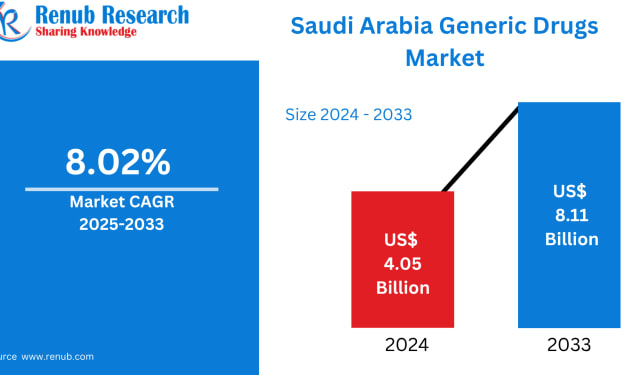
Saudi Arabia Generic Drugs Market Size and Forecast 2025–2033
Saudi Arabia Generic Drugs Market Outlook The Saudi Arabia Generic Drugs Market is anticipated to grow to US$ 8.11 billion by 2033 from US$ 4.05 billion in 2024, expanding at a CAGR of 8.02% during 2025–2033. This growth is attributed to rising healthcare needs, proactive government efforts to curb pharmaceutical expenditure, and increasing awareness of cost-effective medication alternatives. Expanding domestic pharmaceutical manufacturing and regulatory support for generics are further strengthening the market’s long-term outlook.
By Marthan Sir2 days ago in Longevity



Comments
There are no comments for this story
Be the first to respond and start the conversation.