
Escape The Stress Trap:
Tips for Relaxation and Self Care
I. Introduction
Stress is a natural part of life, and we all experience it from time to time. However, too much stress can have negative effects on our mental and physical health. In this blog post, we'll explore what stress is, how it affects us, and the importance of relaxation and self-care in managing stress.
II. Understanding stress
A. Types of stress: There are two main types of stress: acute stress and chronic stress. Acute stress is short-term and is usually caused by a specific event or situation, such as a job interview or a car accident. Chronic stress, on the other hand, is long-term and ongoing, such as financial problems or a difficult relationship.
B. Signs and symptoms of stress: Stress can manifest in a variety of ways, including physical symptoms like headaches and stomach problems, and emotional symptoms like anxiety and irritability.
C. Causes of stress: Stress can be caused by a variety of factors, including work, relationships, finances, and health issues.
III. The importance of relaxation and self-care
A. Benefits of relaxation and self-care: Relaxation and self-care are essential for managing stress and maintaining good mental and physical health. Benefits include reduced anxiety, improved sleep, and increased feelings of well-being.
B. How relaxation and self-care help reduce stress: Relaxation and self-care help reduce stress by promoting relaxation, reducing tension, and improving mood. Examples of relaxation techniques include deep breathing, meditation, yoga, and massage therapy.
IV. Tips for relaxation and self-care
A. Breathing exercises: Breathing exercises can help calm the mind and reduce stress. One simple technique is to inhale deeply through the nose, hold for a few seconds, and then exhale slowly through the mouth. Repeat several times.
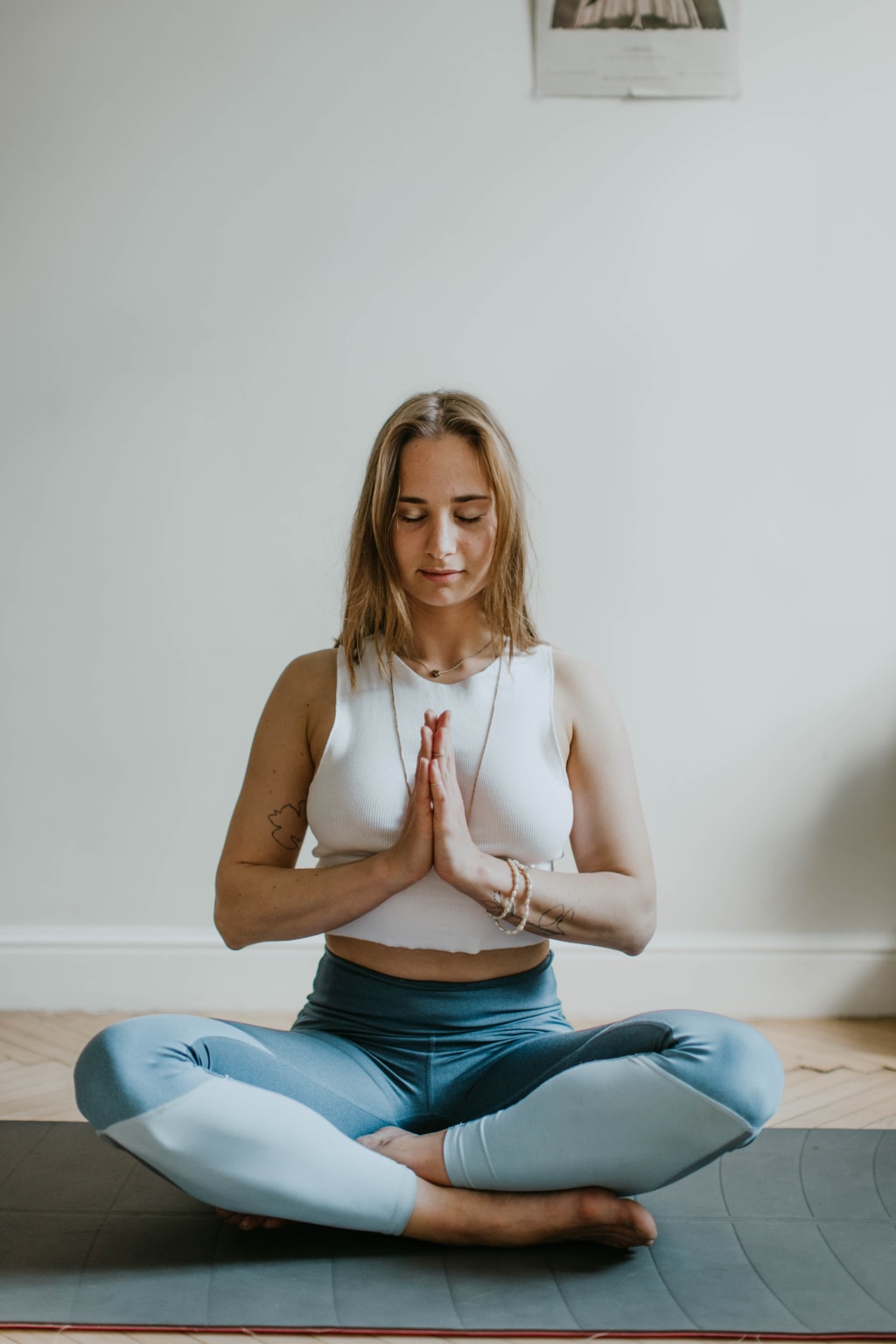
B. Mindfulness and meditation: Mindfulness and meditation are effective techniques for reducing stress and promoting relaxation. To practice mindfulness, simply focus on the present moment without judgment. To meditate, sit quietly and focus on your breath or a mantra for a few minutes each day.
C. Yoga and stretching: Yoga and stretching are excellent ways to reduce tension in the body and promote relaxation. There are many online resources and videos available to help you get started.
D. Exercise and physical activity: Exercise and physical activity release endorphins, which help improve mood and reduce stress. Find an activity you enjoy, such as walking, dancing, or swimming, and make it a regular part of your routine.
E. Getting enough sleep: Getting enough sleep is essential for managing stress and maintaining good health. Aim for 7-9 hours of sleep each night, and establish a relaxing bedtime routine to help you unwind.
F. Eating a healthy diet: Eating a healthy diet can help reduce stress and improve overall health. Focus on whole, nutrient-dense foods and avoid processed and sugary foods.
G. Taking breaks and unplugging from technology: Taking breaks throughout the day and unplugging from technology can help reduce stress and promote relaxation. Try taking a walk outside or reading a book instead of scrolling through social media.
H. Engaging in hobbies and activities you enjoy: Engaging in hobbies and activities you enjoy can help reduce stress and promote a sense of well-being. Whether it's gardening, painting, or playing an instrument, find an activity that brings you joy and make time for it regularly.
V. Conclusion
A. Recap of the importance of relaxation and self-care for stress relief: Relaxation and self-care are essential for managing stress and maintaining good health. By taking care of ourselves, we can reduce stress and improve our overall well-being.
B. Encouragement to try one or more of the tips provided in the blog post: Try incorporating one or more of these relaxation and self-care techniques into your daily routine to reduce stress and promote relaxation.
C. Additional resources and support for managing stress and self-care: If you're struggling with stress or need additional support, consider reaching out to a mental health professional or exploring resources like self-help books, apps, or online support groups.
About the Creator
Keep reading
More stories from Liam Flanagan and writers in Longevity and other communities.
The Ultimate Guide to Home Remedies:
I. Introduction Holistic healing is an approach that considers the whole person - body, mind, and spirit - in the quest for optimal health and wellness. While conventional medicine may have its benefits, it may not always be the best choice for everyone. In this article, we explore the benefits of using home remedies for holistic healing and provide some tips and tricks to help you use them effectively.
By Liam Flanagan3 years ago in Longevity
The Biomechanics of Better Steps
Most people assume that better walking begins with stronger muscles. Walking is not just a muscular act — it is a neurological performance. Every step is shaped by a constant exchange of information between your feet and your brain. This communication system, known as the sensory motor network, determines how stable and confident your movement feels.
By AhmedFitLife7 days ago in Longevity
Review of 'Man on the Run'
My wife and I saw Man on the Run, a nearly 2-hour documentary on Amazon Prime, about Wings, Paul McCartney's group that flew around the world from shortly after The Beatles broke up in early 1970 to shortly after John Lennon was murdered at the end of 1980, making a Beatles reunion forever impossible.
By Paul Levinson6 days ago in Beat


Comments
There are no comments for this story
Be the first to respond and start the conversation.