
Don't ignore the effect of zinc on the human body. Which foods are rich in zinc?
Zinc

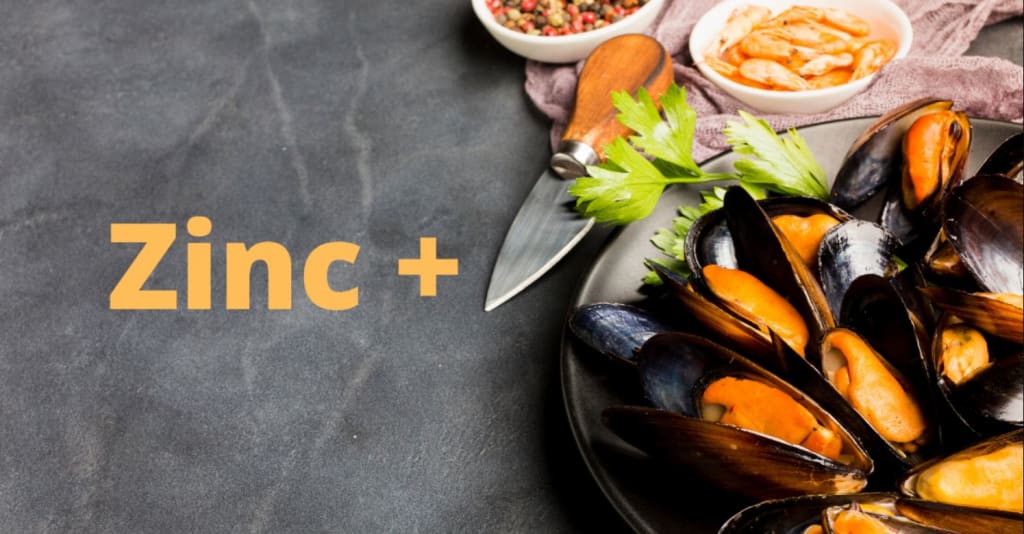
Zinc is essential for heart health
Zinc is a powerful antioxidant that can fight against the bad molecular free radicals in the body. Free radicals are a risk factor for atherosclerosis and heart disease. Of course, zinc is a guardian of protecting heart health. The latest research also found that zinc can help resist heart failure and arrhythmia by regulating the release of calcium.
Zinc and diabetes
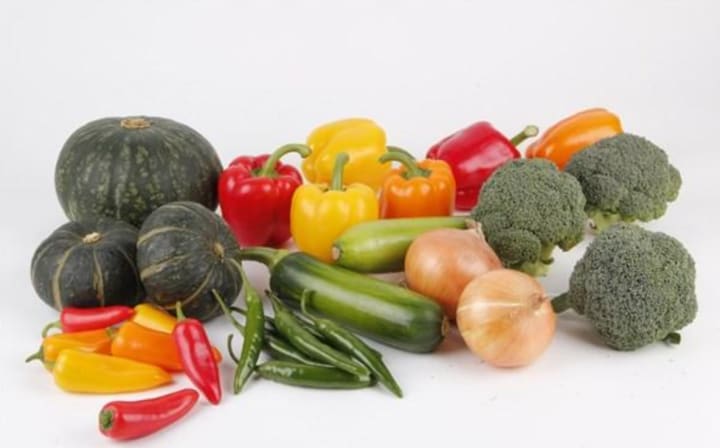
The cause of type 2 diabetes is related to the relatively insufficient secretion of insulin by pancreatic β-cells. Modern research has found that zinc:
Protect pancreatic β cells from damage;
The synthesis, storage and secretion of insulin all require zinc to participate;
Zinc also affects the expression of genes associated with diabetes;
Zinc also contributes to the prevention and treatment of type 2 diabetes.
Zinc and Alzheimer's disease
New research has found that zinc deficiency is an important reason for the development of Alzheimer's disease. This disease is related to the accumulation of a defective protein clump in the brain, and zinc may be the key to preventing this accumulation.
The nutritional effects of zinc on human health are comprehensive
Zinc is related to health of vision and smell.
Zinc is related to fetal brain development and children's growth and development.
Zinc is related to male reproductive health.
Zinc is related to appetite.

Zinc is associated with ADHD in children.
Zinc can resist the poison of lead pollution in the human body.
How much zinc do I need to consume every day? Where do I get it from?
Children, adolescents, adults, and the elderly, including pregnant women, should get enough zinc from food. Adults and the elderly should generally get 11.5-15mg/day of zinc from food, and pregnant women should appropriately increase it to 20-25mg/day, 14-18 years old. Adolescents can properly take 15-20mg/day of zinc.

What are the foods rich in zinc?
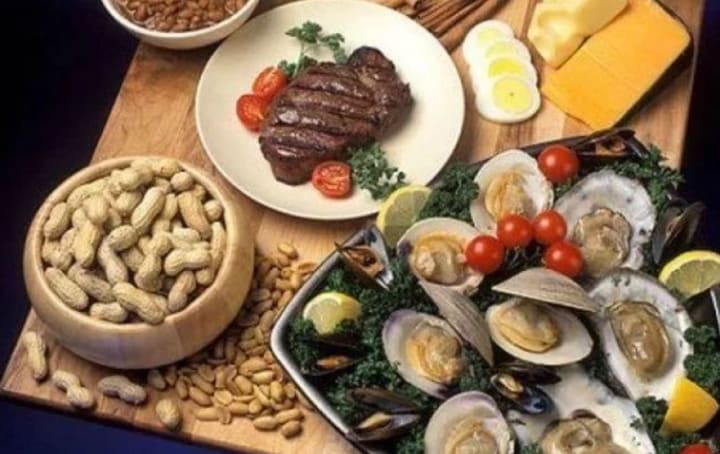
Zinc is more contained in animal and seafood foods, and it is organic zinc, which is easily absorbed by the human body, such as oysters, oysters, scallops and snails. The zinc content of beef and mutton in meat can also reach 6-7 mg/100 Grams.
Plant foods such as grains, fruits and vegetables contain less zinc and are inorganic zinc, which is difficult to absorb, such as black rice, yellow rice, and soybeans. Therefore, zinc deficiency is more common in people who eat vegetarian food or eat vegan food. In daily diets, attention should be paid to the reasonable combination of "meat and vegetables". This is very important and especially emphasized. In addition, in some cases, zinc supplements can be taken appropriately.
About the Creator
Keep reading
More stories from writers in Longevity and other communities.
Day 4 of Quitting
If this is how sobriety feels, maybe it’s better to go through life a little buzzed… this, along with other hits like, I want to kill myself, I wish I was dead, and I’m going to throw myself off a bridge have been the only thoughts on rotation these past few days. I promise myself that if, in a month, I still feel like this (‘this’ meaning despondent, full of rage, and simultaneously numb) I can go back to smoking. Until mid-February though? Nicotine is off the table.
By sleepy drafts23 days ago in Longevity
10 Traits of Overweight Gym Goers
I don't know about you all, but when I go to the gym, I notice many of the people there are in shape or somewhat in shape, which makes sense, but for those who want to get in shape, being overweight in this setting could potentially feel overwhelming, intimidating, de-motivating, and flat out uncomfortable.
By Destiny S. Harris5 days ago in Longevity


Comments
There are no comments for this story
Be the first to respond and start the conversation.