

Home remedies have been around for centuries and continue to be a popular choice for treating a variety of ailments. While some home remedies have been backed by scientific research, many lack evidence to support their effectiveness.
Some commonly used home remedies that have been shown to be effective include:
- Honey for cough and sore throat
- Aloe vera for burns and skin irritations
- Ginger for nausea and vomiting
- Peppermint for digestive issues
- Tea tree oil for acne and fungal infections
Other home remedies, such as apple cider vinegar for weight loss or garlic for high blood pressure, have limited or no scientific evidence to support their use.
When using home remedies, it's important to do your research and consult with a healthcare professional if you have any concerns or questions. Some remedies can interact with medications or have harmful side effects.
Overall, while some home remedies have been shown to be effective, it's important to approach them with caution and not rely solely on them for serious medical conditions.
How do Home remedies work?
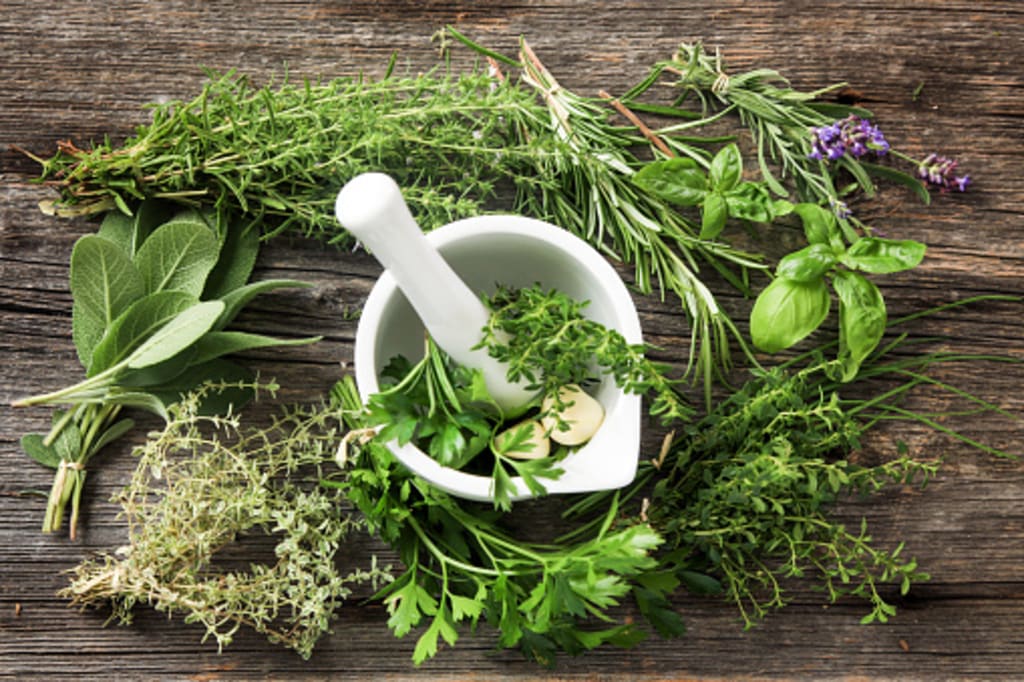
- Home remedies work by utilizing natural substances that have healing properties, such as herbs, spices, and essential oils.
- Many home remedies have been used for centuries, and their effectiveness has been passed down through generations.
- Home remedies often work by addressing the underlying cause of a problem, rather than just treating the symptoms.
- Some home remedies, such as herbal teas or tinctures, work by promoting the body's natural healing processes.
- Others, like honey or aloe vera, have antibacterial or anti-inflammatory properties that help fight infection and reduce inflammation.
- Home remedies can also work by providing important nutrients and vitamins to the body, which can help to support overall health and wellness.
- Certain remedies, like ginger or peppermint, can help to alleviate nausea and digestive issues by calming the stomach and promoting healthy digestion.
- In some cases, home remedies may work by simply providing comfort and reducing stress, such as taking a warm bath or drinking a cup of tea.
- It's important to note that while many home remedies can be effective, they may not work for everyone, and it's always a good idea to talk to a healthcare professional before trying any new remedy.
- Additionally, home remedies should never be used as a substitute for medical treatment when serious health issues are present, and if symptoms persist, medical attention should be sought.
Home remedies can provide several benefits, such as:
1. Cost-effectiveness: Many home remedies use simple and affordable ingredients that are readily available, which can save money compared to commercial products or prescription medications.
2. Accessibility: Home remedies can often be made with common household items, making them more accessible to people who may not have easy access to medical care.
3. Natural ingredients: Home remedies often use natural ingredients, which can be gentler on the body and may have fewer side effects compared to prescription medications.
4. Personalization: With home remedies, you can often customize the recipe to your own needs and preferences, which can be especially helpful for people with allergies or sensitivities.
5. Empowerment: By using home remedies, people can take an active role in their own health and well-being, which can be empowering and help them feel more in control of their health.
how to make home remedies
To make home remedies, you can:
1. Research different natural ingredients and their medicinal properties.
2. Identify a specific health issue or symptom you want to address.
3. Combine the ingredients in a way that best suits your needs and matches your preferences.
4. Follow recipes or instructions carefully, taking note of any potential side effects or interactions.
4. Test your remedy on a small area first to ensure you are not allergic or sensitive to any of the ingredients.
5. Be aware that home remedies may not be as effective as professional medical treatment and may not be appropriate for all health issues.
About the Creator
Day 4 of Quitting
If this is how sobriety feels, maybe it’s better to go through life a little buzzed… this, along with other hits like, I want to kill myself, I wish I was dead, and I’m going to throw myself off a bridge have been the only thoughts on rotation these past few days. I promise myself that if, in a month, I still feel like this (‘this’ meaning despondent, full of rage, and simultaneously numb) I can go back to smoking. Until mid-February though? Nicotine is off the table.
By sleepy drafts12 days ago in Longevity
How to Read More: 12 Book-ish Things to Help Clear Your To-Read List
If your to-read list keeps growing faster than you can turn pages, you’re not alone. Many book lovers dream of reading more, yet struggle to find the time, focus, or momentum to actually do it. Between busy schedules, digital distractions, and reading slumps, even the most enthusiastic readers can feel stuck. The good news? Reading more isn’t about speed or pressure—it’s about building habits that fit naturally into your life. Here are 12 book-ish, practical ways to finally start clearing that to-read list and rediscover the joy of reading. 1. Ditch the Guilt Around Unfinished Books Not every book is meant for you at this moment. If a title isn’t clicking after a fair try, give yourself permission to stop. Letting go of unread or half-read books creates mental space—and motivation—for books you’ll truly enjoy. 2. Read Multiple Books at Once Contrary to popular belief, reading several books simultaneously can boost your reading life. A novel for bedtime, a non-fiction book for mornings, and a short story collection for quick breaks allow you to read according to your mood and energy level. 3. Always Carry a Book (or E-Reader) Idle moments add up. Waiting in lines, commuting, or sitting between appointments can become reading time if you always have a book handy. Even 10 minutes a day can translate into dozens of finished books over a year. 4. Set a Daily Page Goal—Not a Time Goal Instead of saying “I’ll read for 30 minutes,” try “I’ll read 10 pages.” Page goals feel more achievable and measurable, helping you maintain consistency without feeling overwhelmed. 5. Replace Doom-Scrolling With Page-Turning Social media often steals reading time without us realizing it. Try a simple rule: read for 10 minutes before opening any social app. This small habit shift can dramatically increase your reading hours. 6. Create a Reading Ritual Rituals train your brain to associate reading with comfort. Whether it’s reading with morning tea, before bed, or during lunch breaks, attaching books to a routine makes reading automatic rather than optional. 7. Make Your To-Read List Work for You An endless list can feel intimidating. Break it into smaller categories like “Read This Month,” “Quick Reads,” or “Comfort Books.” Prioritizing makes the list motivating instead of stressful. 8. Embrace Audiobooks Without Shame Audiobooks count. Whether you’re driving, cooking, or exercising, listening to books keeps stories flowing through your life. Many readers find audiobooks help them finish more titles than print alone. 9. Read What Excites You—Not What You “Should” Read Reading isn’t a competition. If thrillers, romance, or fantasy excite you, read them proudly. Enjoyment is the strongest motivator for consistency, not literary prestige. 10. Join a Reading Community Book clubs, reading challenges, or online communities create accountability and excitement. Discussing books with others can reignite enthusiasm and introduce you to titles you might never pick up otherwise. 11. Track Your Reading Progress Seeing progress is powerful. Whether through a reading journal, app, or simple checklist, tracking books read reinforces your habit and gives a sense of accomplishment that fuels momentum. 12. Reread Old Favorites When motivation is low, return to a beloved book. Rereading reminds you why you fell in love with reading in the first place and often acts as a gateway back to new books. Reading More Is About Kindness, Not Discipline Clearing your to-read list doesn’t require superhuman focus or massive lifestyle changes. It’s about removing pressure, choosing joy, and building small habits that last. When reading becomes something you look forward to—rather than another task—it naturally finds its place in your day. Books aren’t meant to be conquered; they’re meant to be experienced. Start small, stay curious, and let stories meet you where you are. Your to-read list will shrink—not through force, but through love.
By Fiaz Ahmed Brohi4 days ago in Longevity
Wild Card Weekend Recap: What Happens Now?
I think I figured out why I love Wild Card Weekend so much. It's because it's the first playoff anything of the calendar year. The NFL season starts in the fall, and once upon a time, the champion was crowned either on or slightly before New Year's. The evolution of the NFL schedule has resulted in the playoffs starting just into the New Year, and currently, the final week of the season falls on the first weekend of the New Year, with Wild Card Weekend coming a week after that. So yes, chronologically, the NFL's Wild Card Weekend serves as the first playoff anything of the calendar year.
By Clyde E. Dawkins6 days ago in Unbalanced



Comments
There are no comments for this story
Be the first to respond and start the conversation.