
Diet for Diabetes and Kidney Disease
A Complete Guide to Eating for Health and Healing


Managing both diabetes and chronic kidney disease (CKD) through diet can be challenging but is absolutely essential for preserving health and quality of life. These two conditions are closely linked diabetes is the leading cause of kidney disease so the right diet can slow disease progression, stabilize blood sugar, and reduce kidney damage. In this comprehensive article, we’ll explore how to create a balanced, evidence based meal plan tailored to individuals dealing with both conditions.
Understanding the Link Between Diabetes and Kidney Disease
Diabetes: A Quick Overview
Diabetes mellitus, particularly type 2 diabetes, leads to high blood sugar levels due to insulin resistance or deficiency. Over time, elevated glucose levels damage blood vessels and organs including the kidneys.
Kidney Disease: How It Develops
The kidneys filter waste and fluid from your blood. When high glucose levels persist, they damage the blood vessels in the kidneys, leading to diabetic nephropathy a common form of chronic kidney disease.
Dual Condition Complication
When you have both conditions, your dietary strategy must manage:
- Blood glucose levels
- Blood pressure
- Waste buildup
- Protein levels
- Electrolyte balance (especially sodium, potassium, and phosphorus)
🥦 Diet Goals for Diabetes and Kidney Disease
Your diet needs to:
- Control blood sugar
- Support kidney function
- Maintain adequate protein intake without overloading the kidneys
- Limit sodium, potassium, and phosphorus as needed
- Prevent fluid retention
🧠 Key Principles of the Diet
1. Control Carbohydrates Wisely
Since carbs raise blood glucose, managing them is crucial.
Recommended:
- Whole grains (only if potassium/phosphorus levels are normal)
- Non-starchy vegetables
- Berries and apples in moderation
Avoid:
- Sugary beverages, pastries, white bread
💡 Pro Tip: Use the "plate method" fill half your plate with vegetables, a quarter with protein, and a quarter with complex carbs.
2. Balance Protein Intake
Too much protein stresses the kidneys, while too little may lead to muscle loss.
Recommended:
- Lean meats (chicken, turkey)
- Egg whites
- Low-phosphorus plant proteins (tofu, lentils)
Limit or Avoid:
- Red meat
- Full-fat dairy
- Processed meats
3. Watch Sodium Levels
Sodium increases blood pressure and fluid retention, both harmful to kidneys.
Tips:
- Cook at home using fresh ingredients
- Avoid canned soups, packaged snacks, fast food
- Use herbs and spices instead of salt
🧂 Limit intake to less than 2,000 mg per day
4. Control Potassium Intake
Too much potassium can cause heart problems if the kidneys can’t excrete it.
If potassium is high, avoid:
- Bananas, oranges, tomatoes, potatoes
- Spinach and avocados
- Safe choices include:
- Apples, grapes, cabbage, cauliflower, green beans
5. Limit Phosphorus Intake
High phosphorus can lead to bone and heart problems in CKD.
Limit:
- Dark colas
- Dairy products
- Whole grains and nuts (depending on lab values)
Choose instead:
- Rice milk (non-fortified)
- White bread and pasta
- Fresh vegetables
6. Stay Hydrated But Not Overhydrated
Fluid intake should be tailored based on kidney function.
Tips:
- Drink water regularly, unless you’re on a fluid restriction
- Monitor for swelling in feet or face as a sign of retention
🍱 Sample Meal Plan: Diabetes and Kidney Disease
Breakfast
- Egg white scramble with spinach and bell peppers
- 1 slice white toast with unsalted almond butter
- Small apple
- Unsweetened herbal tea
Lunch
- Grilled chicken salad with lettuce, cucumber, olive oil dressing
- Half cup of white rice
- Fresh peach (if potassium is normal)
Snack
- Unsalted rice cakes
- Cucumber slices with hummus (low-sodium)
Dinner
- Baked salmon or tofu
- Steamed green beans and carrots
- Small baked sweet potato (if potassium is in range)
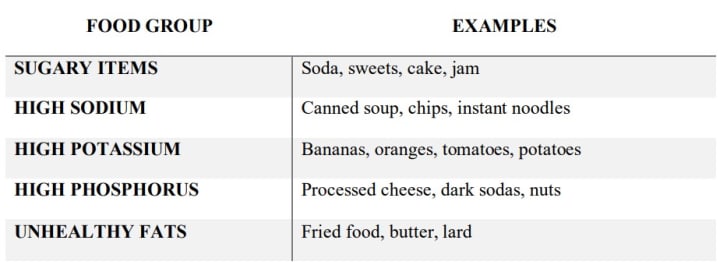
🧂 Foods to Avoid Completely
📊 Monitoring and Adjustments
Work with your doctor or dietitian to:
- Regularly monitor labs: especially for potassium, sodium, phosphorus, creatinine, and blood glucose
- Adjust diet based on lab results
- Take prescribed medications (e.g., phosphate binders, insulin) as directed
🩺 When to Consult a Specialist
If you experience:
- Sudden weight gain or swelling
- Muscle cramps
- Weakness or fatigue
- Poor blood sugar control despite dieting
💡 Contact your nephrologist or renal dietitian immediately. They can individualize your plan.
🍓 Tips for Making This Diet Sustainable
- Meal prep: Save time and stick to your diet
- Flavor smart: Use garlic, herbs, lemon juice for taste
- Read labels: Check for sodium, phosphorus additives
- Track food: Use apps like MyFitnessPal (customized for CKD and diabetes)
- Stay positive: Celebrate small wins in your health journey
🧬 Supplements: Be Cautious
Avoid over-the-counter supplements without consulting a doctor. Some multivitamins contain dangerous levels of potassium and phosphorus for CKD patients.
🧘 Lifestyle Beyond Diet
- Exercise: Low-impact activities like walking, cycling, or swimming
- Sleep: Aim for 7–9 hours per night
- Stress management: Yoga, meditation, or breathing exercises
- No smoking or alcohol
🔚 Bottom Line
Navigating a diet for diabetes and kidney disease can be complex, but it’s possible with planning and support. The goal is to balance nutrients, manage blood sugar, protect your kidneys, and improve overall well-being. With personalized guidance from a healthcare team and a strong commitment to healthy habits, you can live a vibrant life even with chronic conditions.
About the Creator
Core Well Fit
Empowering Your Core To Live Well and Fit 🌿
Your trusted guide to home workouts, nutrition tips, mental wellness, and smart fitness routines.
📍Targeting U.S. lifestyle | 💪 Fitness | 🥗 Diet | 🧠 Wellness
Keep reading
More stories from Core Well Fit and writers in Longevity and other communities.
Time Management in Nursing
In the fast-paced and demanding world of healthcare, few professions are as time-sensitive as nursing. Whether caring for critically ill patients, managing multiple responsibilities, or communicating with multidisciplinary teams, nurses must juggle countless tasks under pressure. In such a scenario, time management is not just a productivity tool it’s a cornerstone of safe, effective, and compassionate care.
By Core Well Fit10 months ago in Longevity
Nature Report, Killed by Trump, Is Released Independently
A major federal report assessing the state of nature and biodiversity across the United States — originally halted during the presidency of Donald Trump — has finally been released to the public after scientists decided to publish the findings independently. The report, years in the making, provides one of the most comprehensive analyses ever compiled about the health of ecosystems, wildlife populations, and natural resources across the country. The study was prepared as part of a nationwide effort coordinated by the U.S. Geological Survey and other federal agencies. Researchers involved in the project say the document was meant to provide policymakers with detailed scientific guidance on biodiversity loss, habitat degradation, and the growing impact of climate change on American landscapes. However, the report’s release stalled during the administration of Trump, when several environmental initiatives were scaled back or canceled. Scientists working on the project say the publication was effectively shelved before it could reach the public or be formally submitted to Congress. Now, years later, the authors have decided to release the research independently, publishing the findings through academic and scientific networks rather than through official government channels. The decision marks a rare step for researchers who typically rely on federal agencies to distribute major environmental assessments. According to the scientists behind the study, the report documents significant declines in biodiversity across the United States. Many native plant and animal species are facing mounting pressures from habitat loss, pollution, invasive species, and climate change. Wetlands and grasslands — ecosystems that support a large share of the country’s wildlife — have experienced particularly steep reductions in recent decades. The report also highlights the economic consequences of environmental decline. Natural ecosystems provide essential services such as pollination, water purification, and flood protection. Researchers warn that if biodiversity loss continues at its current pace, communities could face rising costs linked to environmental damage and weakened natural defenses against extreme weather events. Experts involved in the project say the findings were intended to inform national conservation strategies and guide land-management decisions at both federal and state levels. Without accurate scientific assessments, they argue, policymakers lack the information needed to design effective environmental protections. The controversy surrounding the report reflects broader tensions that existed between the scientific community and political leadership during the Trump presidency. Environmental policies adopted during that period included the rollback of several regulations related to emissions, land use, and wildlife protection. Critics argued that these decisions weakened safeguards designed to protect natural ecosystems. Supporters of those policies, however, maintained that regulatory reforms were necessary to support economic growth and reduce burdens on businesses, particularly in the energy and manufacturing sectors. Regardless of political debates, the authors of the biodiversity report say their goal is simply to ensure that the scientific data becomes available to the public. By releasing the document independently, they hope researchers, conservation organizations, and policymakers can still use the findings to inform future environmental strategies. Environmental groups have welcomed the publication, calling it an important contribution to understanding the state of nature in the United States. They say comprehensive national assessments are critical for tracking environmental changes and identifying areas where conservation efforts should be prioritized. The report’s release also highlights the evolving relationship between science and public communication. In an era where research findings can be shared widely through digital platforms, scientists increasingly have alternative ways to distribute their work when official channels fail. For the researchers who spent years compiling the study, the independent release represents both a scientific milestone and a statement about the importance of transparency. They argue that environmental data belongs not only to governments but also to the public, whose lives and livelihoods depend on the health of the natural world. While the report cannot retroactively influence past policy decisions, its authors hope the findings will still shape future discussions about conservation and sustainable development. As biodiversity loss continues to accelerate worldwide, they say timely access to scientific information has never been more important.
By Fiaz Ahmed 5 days ago in Longevity


Comments
There are no comments for this story
Be the first to respond and start the conversation.