
Depression – Causes, Symptoms, and Treatment of Depression
Some important facts

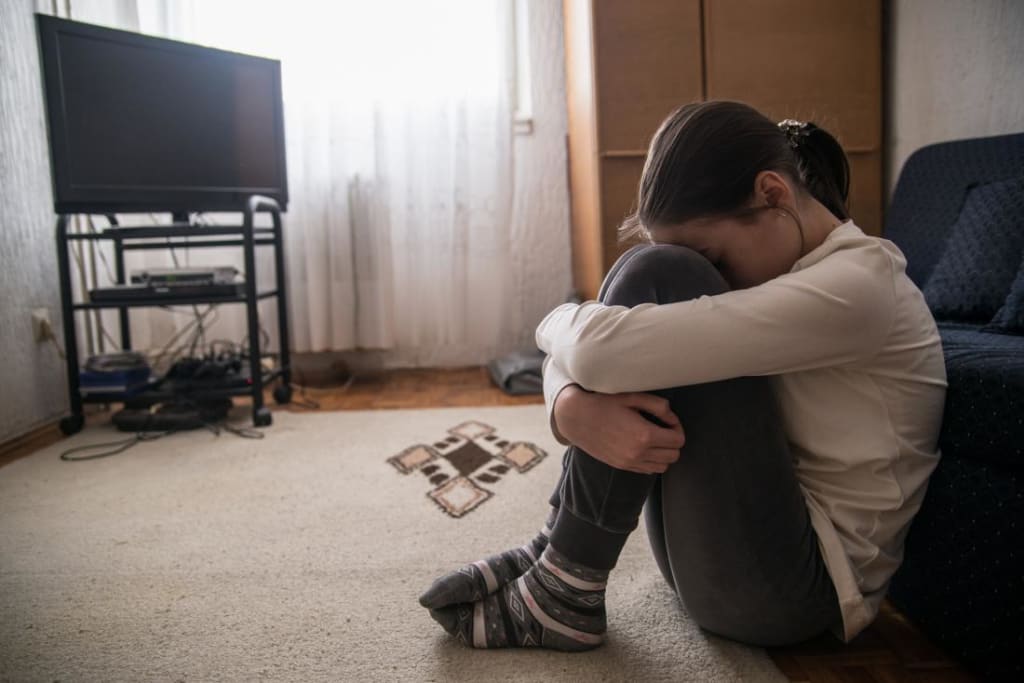
You sometimes find yourself sad, or feel low, or sometimes you show no interest in your daily activities, these are all very familiar symptoms to us and it is quite natural to happen for some reason or the other. It happens. But when these symptoms become permanent and affect our life badly, then that condition is called Depression or Depression.
Depression is not a weakness that you can easily come out of it, for this you need a proper and long treatment. If you think that there is no cure for depression, don't be discouraged, for this let us tell you that many people who suffer from depression feel better with medicines and psychotherapy and both. Let us know what is depression or depression?
Some important facts
Depression is more common in women than in men.
This is a very common problem which is faced by 1 in 20 Indians.
The symptoms of depression can be different in children, teenagers, and adults.
If left untreated, it can last for several months or even years.
With treatment, symptoms usually improve within a few weeks.
What is depression or depression?
Depression is a type of mood disorder, which is very common. According to doctors, it is a negative disease that affects your ability to think, your ability to act in a bad way. It can cause a variety of emotional and physical problems and can impair a person's ability to perform your job and work at home. Different people experience depression in different ways. Depression can result in you wasting your time and reducing your productivity. Many times depression can also affect your chronic health conditions. Depression or conditions that can worsen due to depression include:
gout
asthma
heart disease
cancer
diabetes
obesity
Types of Depression
The type of depression depends on its severity. In some people it is very rare, and they have temporary episodes of sadness. Whereas in some people it is very serious and it's episodes keep on going on in them or rather they remain a victim of continuous depression. For this, your doctor can help you by giving proper treatment according to the type of your depression. Types of depression are-
Major Depressive Disorder (MDD)
Persistence Depressive Disorder (PPD)
bipolar disorder
Seasonal Affective Disorder (SAD)
psychotic disorder
peripartum disorder (PPD)
premenstrual dysphoric disorder (PMDD)
Symptoms of Depression
Although depression occurs only once in a person's life, it can occur in several episodes. Symptoms of depression in these episodes last throughout the day and often every day, including:
Tears in the eyes with a feeling of sadness, loneliness, and despair
Getting angry at the smallest things, irritability with a sense of hopelessness
Loss of interest in normal activities, such as sex, hobbies, or sports
sleep disturbances, including insomnia and sleeping too long
Fatigue and loss of energy, exerting more effort for small tasks
loss of appetite and weight loss or food cravings and weight gain
worry, anxiety, and restlessness
Decreased thinking, speech, and physical movement
feeling unworthy or guilty, blaming oneself for past failures
trouble thinking, concentrating, remembering and making decisions
thoughts of death or repeated suicide attempts
unexplained physical problems, such as back pain or headache
In some people with depression, the symptoms are so severe that they interfere with their daily routine, such as at work, school, or social activities. Some people start to feel extreme sadness and they do not even know the reason for it. Let us tell here that the symptoms of depression are different in children and adults, which are as follows-
Symptoms in Children and Adolescents
Although the symptoms of depression are the same in children and adults, but there can be a slight difference in these symptoms, which are as follows
Symptoms in young children include sadness, irritability, being overly emotional, anxiety, aches and pains, refusing to go to school, or being underweight.
Symptoms in adolescents include sadness, irritability, negativity, and feeling worthless, anger, poor performance, or attendance at school, using recreational drugs or alcohol, overeating or sleeping, self-harm, in general activities loss of appetite, and avoidance of social interactions.
Symptoms in Adults
Depression is not common with increasing age, nor should it be taken lightly. Unfortunately, depression in adults is often not as easily recognized and treated, and they may even feel reluctant to seek help for it. Symptoms of depression may be different or less obvious in adults, such as:
memory loss and personality changes
body aches
fatigue, loss of appetite, trouble sleeping and loss of pleasure in sex
often being alone at home instead of doing new things or being social
having suicidal thoughts or feelings, mostly in older people
due to depression
There can be many reasons for depression or depression. Early childhood trauma can be a cause of depression. This happens because certain events affect the way the body reacts to fearful and stressful situations. Some people develop depression because of their genetics. If you have a family history of depression or any other mood disorder, you are more likely to develop this type of disorder.
Some common causes of Depression
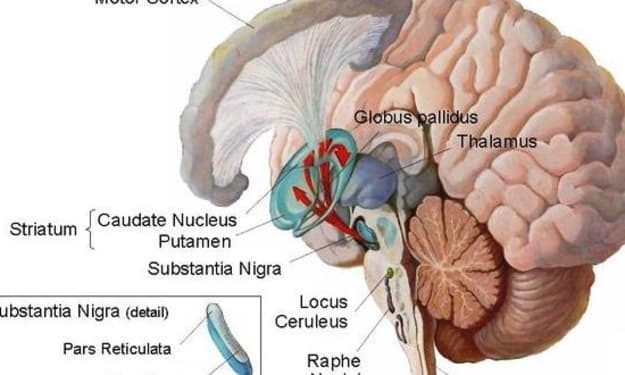
Brain Structure: If the frontal lobe of your brain is less active then you are more at risk of depression.
Medical conditions: certain medical conditions such as chronic illness, insomnia, chronic pain, or attention-deficit hyperactivity disorder
alcohol and drug abuse
lack of self-esteem or being self-critical
personal history of mental illness
Some medicines can also be the cause of depression.
Stressful events, such as the death of a loved one, financial problems, or divorce
Some people have no reason for their depression.
Depression Treatment
Living with depression can be difficult if you are suffering from it, but don't worry, treatment can get you out of it. Talk to your doctor for its possible treatment, by which you can control the symptoms of your depression. For this, you can combine conventional and lifestyle therapies. Some of the treatments for depression are as follows-
Medications: Your doctor may prescribe antidepressants, antianxiety, or antipsychotic medications.
Psychotherapy or psychotherapy: In this you can learn skills to deal with negative emotions by talking with your psychiatrist. You may also benefit from family or group therapy sessions.
Light therapy: With the help of white light, the symptoms of depression can be reduced and mood can also be controlled. This therapy is used to treat major depressive disorder.
Alternative treatment: Depression is also treated with the help of acupuncture or meditation, be sure to consult your doctor about this too. Some herbal supplements such as St. John's Wort, SAMe and fish oil are also used to treat depression.
“Be sure to consult your doctor once before combining any supplement or supplement with a prescribed medication. By doing this you can avoid its side effects. Some supplements can have a bad effect on your health, and it can also make your depression worse.
Regular exercise: At least 3 to 5 days in a week, must exercise for 30 minutes. Regular exercise increases hormones called endorphins in your body that elevate your mood.
Avoid alcohol and drugs: Alcohol and drugs can give you temporary relief, but long-term use can worsen depression and anxiety.
Take care of yourself: You can improve symptoms of depression by taking care of yourself. For this, sleep well, eat a healthy diet, stay away from negative people, and participate in enjoyable activities.
Sometimes Depression is not treated even with medicines, in that case your doctor will give you some other treatment option like- electroconvulsive therapy, it stimulates the brain and helps in the treatment of major depression. Transcranial Magnetic Stimulation – It stimulates nerve cells and regulates mood.
Depression means more than just feeling down. This can often interfere with your daily responsibilities and relationships. It can last for months or years and often gets worse without treatment. However, depression is a treatable medical condition. People who get treatment often see an improvement in their symptoms.


Comments
There are no comments for this story
Be the first to respond and start the conversation.