

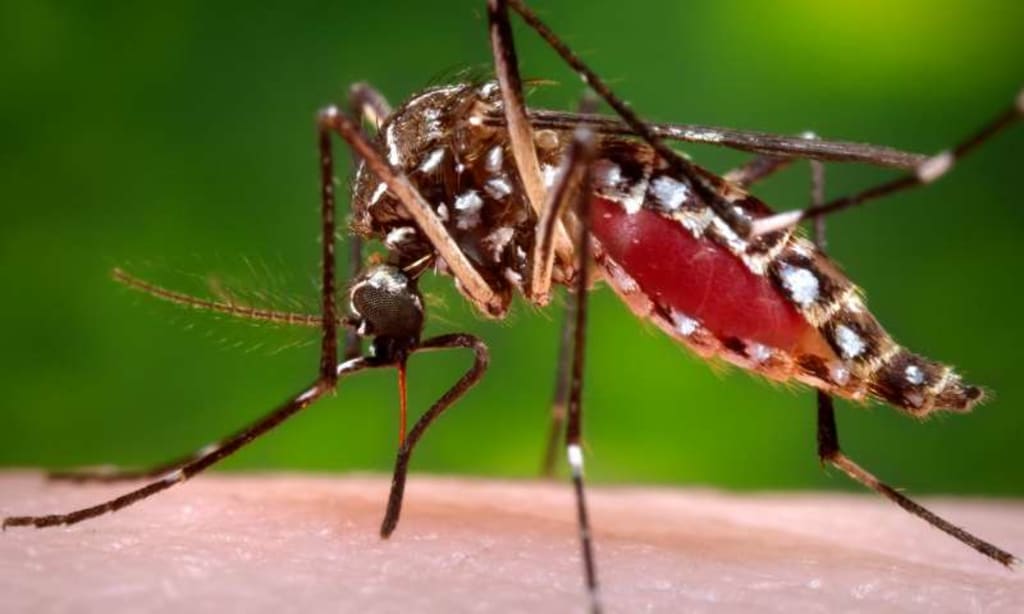
Dengue (pronounced DENgee) is a viral infection, the most important mosquito-borne viral disease affecting humans worldwide. The global incidence of dengue has grown dramatically in recent decades, and about half of the world's population is now at risk. So, what is Dengue? What does it do to you? How do you prevent it? And, most importantly, can we cure it?
Dengue is an infectious tropical disease, classified as a neglected tropical disease by the WHO. It's widespread in many parts of the world, especially in Asia, the Americas, Africa, and the Caribbean. The infection is usually mild and will pass after about a week without causing lasting issues. But, sometimes, dengue can be serious and potentially life-threatening.
Worldwide, approximately 400 million dengue infections occur each year, with almost 100 million resulting in illness. Half a million people each year require hospitalisation, and that number is growing. Dengue has been a global problem since WWII and is common in more than 120 countries. In 2019, a significant increase in the number of cases was seen. The earliest descriptions of a dengue outbreak are from 1776, and it's viral cause and spread were understood by the early 20th century. In several countries, dengue haemorrhagic fever has become an important cause of disease and death - especially in children.
Where is Dengue Found?
Dengue is found in most countries in the world, including:
Southeast Asia
The Caribbean
The Indian subcontinent
South and Central America
Africa
The Pacific Islands
and Australia. Cases in Europe and the UK usually impact people who have recently travelled to an area where the virus is common. It doesn't usually occur in the USA, but recently outbreaks have been identified in Hawaii, Texas, and Florida.
The Pathogen:
Dengue is caused by a virus of the Flaviviridae family. The Flavivirus genus includes viruses like yellow fever, West Nile, and tick-borne encephalitis. There are four distinct types of dengue virus, and infection with one type does not guarantee immune protection against the other types. Subsequent infection with a different type increases the risk of severe complications.
The Spread:
It is spread by several species of inflected female mosquitoes, usually the Aedes aegypti and Aedes albopictus varieties - also known as tiger mosquitos. A mosquito becomes infected when it bites a person who has the dengue virus in their blood. It cannot be spread from person to person. These types of mosquitoes typically bite during the day, usually early in the morning or in the evening, just before dusk. They often live near still water in built-up areas, like wells, water storage tanks, or old car tyres.
The Symptoms:
Approximately 80% of sufferers are asymptomatic or have only mild symptoms, such as an uncomplicated fever. 5% have more serious illness, and in a small proportion, it is life-threatening. The incubation period (the time between exposure and onset of symptoms) ranges from 3 - 14 days but is most often 4 - 7 days and symptoms develop suddenly. Children often experience symptoms similar to that of the common cold and gastroenteritis and have a greater risk of severe complications.
Initial symptoms include:
high temperature, or fever,
severe headache,
pain behind the eyes,
muscle and joint pain,
feeling or being sick,
a widespread red rash,
fatigue,
tummy pain and loss of appetite, and mild bleeding. These usually pass within a week, although you may feel tired and generally unwell for several weeks afterwards.
In rare cases, severe dengue can develop after the initial symptoms have passed. This is known as dengue haemorrhagic fever. People who have had dengue before are thought to be most at risk of severe dengue if they become infected again. Also at risk are those with a weakened immune system. Signs of dengue haemorrhagic fever include:
severe stomach pain
swollen abdomen
being sick repeatedly and/or vomiting blood
bleeding gums or bleeding under the skin
breathing difficulties or fast breathing
cold, clammy skin
a weak but fast pulse
drowsiness or loss of consciousness
enlargement of the liver
and failure of the circulatory system. Severe dengue can also result in low levels of blood platelets and blood plasma leakage, thus making people go into dengue shock syndrome, where dangerously low blood pressure occurs.
These symptoms may progress to massive bleeding, shock, and death. Causes of severe dengue remain unknown and have been debated for decades. One hypothesis is that after a primary infection with one serotype, secondary infections by one or more of the other types can precipitate 'antibody dependant enhancement' (ADE). ADE occurs when antibodies facilitate viral entry into host cells and enhance viral infection in these cells, which worsens illness.
The Diagnosis:
Dengue is diagnosed with a blood test that looks for the virus or viral antibodies.
The Treatment:
This is why we have to worry. There is no cure or specific treatment for dengue. Supportive care is advised, you can usually look after yourself at home by taking paracetamol to relieve pain and fever, drinking fluids and resting. You must not take aspirin or ibuprofen, as these can cause or worsen bleeding symptoms. If you do not start to feel better after about a week, you should see a doctor. In some severe cases, blood transfusions may be required. If symptoms worsen after your fever goes down, you must immediately get to a hospital.
Prevention:
The approved vaccine for dengue fever is Dengvaxia, which helps to prevent the disease from occurring in adolescents ages 9 - 16 who have already been infected by dengue. There is currently no approved vaccine to prevent the general population from contracting it. You should try to prevent it by avoiding being bitten by mosquitoes.
To reduce your risk of being bitten, you should use insect repellent, even when indoors - products containing 50% DEET are most effective, but a lower strength should be used on children, and alternatives to DEET should be used on children younger than two months old. You are also advised to wear loose but protective clothing, mosquitoes can bite through tight-fitting clothes. Trousers, long-sleeved shirts, and socks and shoes (not sandals) are best. Sleep under a mosquito net, ideally one that has been treated with insecticide. Use airconditioning when it is available. Make sure window and door screens are in use, secure and free of holes.
Most importantly, be aware of your environment. Mosquitoes that spread dengue breed in still water in urban areas, so reduce mosquito habitat by getting rid of or covering standing water. If someone in your home gets dengue fever, be especially vigilant about efforts to protect yourself and other family members from mosquitoes, as mosquitoes that bit the infected person could spread the infection to others.
Dengue is a scary disease and one that is becoming all the more prominent as time goes on and as global warming worsens. So, be aware, be sensible, and if you feel particularly ill at any time, please, go to a doctor.
About the Creator
Keep reading
More stories from Molly Kent and writers in Longevity and other communities.
The Case of Nellie May Madison
Nellie May Madison was the first woman sentenced to death in California. Her case was a stepping stone on the road to credibility for the abuse defence. At the time, the idea of a woman pointing to the spousal abuse she had suffered as the reason for her crime was unheard of. Nellie was born Nellie May Mooney, on the 5th April 1895 in Red Rock, Montana, to Edward Mooney and Catherine Doherty Mooney. Her parents had emigrated from Ireland to the USA a few years before she was born, and had their children - four including Nellie - in the US. They raised Nellie in Dillon, Montana; and she was trained to be a survivalist of the mountains.
By Molly Kent5 years ago in Criminal
Day 4 of Quitting
If this is how sobriety feels, maybe it’s better to go through life a little buzzed… this, along with other hits like, I want to kill myself, I wish I was dead, and I’m going to throw myself off a bridge have been the only thoughts on rotation these past few days. I promise myself that if, in a month, I still feel like this (‘this’ meaning despondent, full of rage, and simultaneously numb) I can go back to smoking. Until mid-February though? Nicotine is off the table.
By sleepy drafts11 days ago in Longevity
Kratom Tea Guide for Beginners, Benefits, Effects, and How to Use It
Kratom tea is one of the most common ways people use kratom. Many users choose tea because it is easier to digest, faster to absorb, and simpler to control than powder or capsules. If you searched for kratom tea, you likely want to know what it does, how to make it, how strong it is, and whether it is better than other forms. This guide answers those questions in a clear and direct way.
By Jack Wilder3 days ago in Longevity
Rachel Reviews: The Spiral Archive by Pieter Hendrik
It's difficult for me to know where to start with a review of this book as it was, for me, an entirely unique experience and one that I'll probably never have again. I don't want that to be interpreted as unenjoyable but it has left me scratching my head a little and ruminating on its content, its themes and its characters.
By Rachel Deemingabout 7 hours ago in BookClub




Comments
There are no comments for this story
Be the first to respond and start the conversation.