
Debunking Common Sleep Myths: What Science Says About Better Rest
HEALTH & SELF-CARE

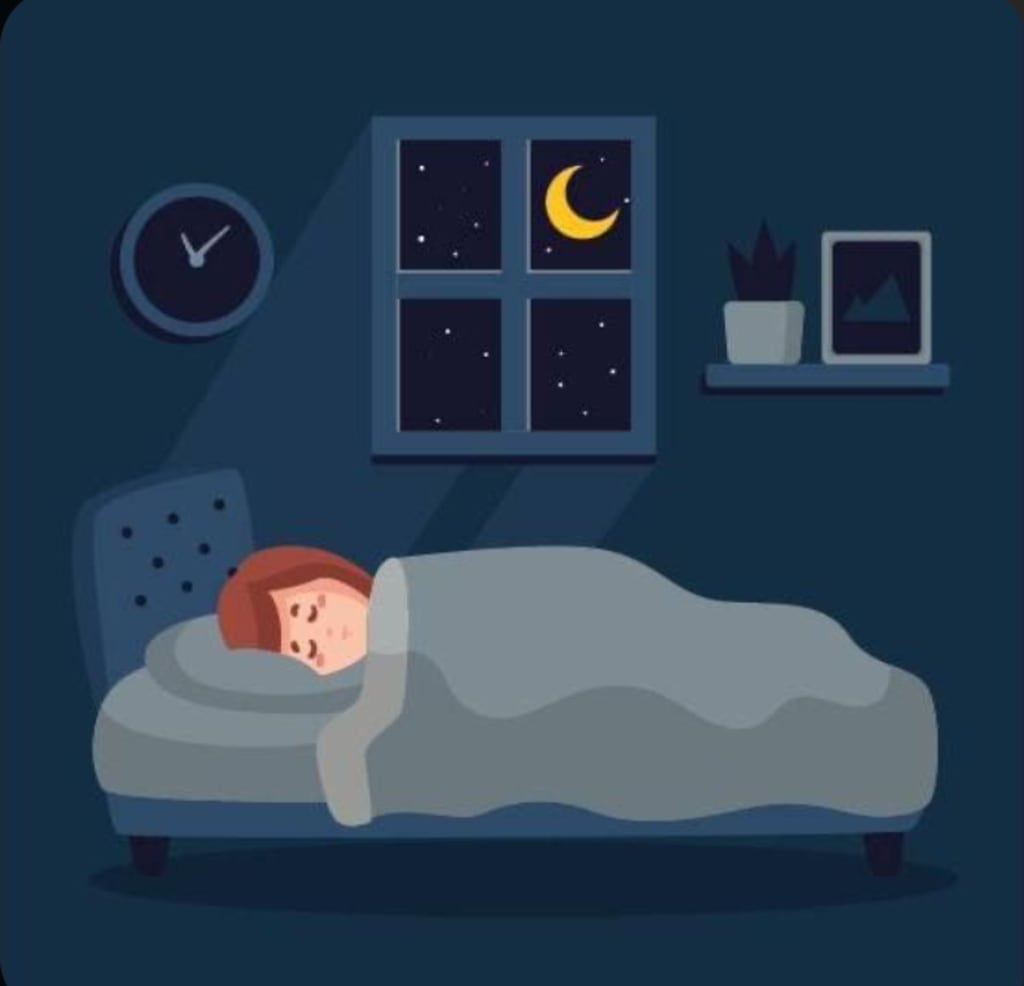
Sleep is essential for overall health and well-being, yet many misconceptions surround it. Understanding the truth about sleep can lead to healthier habits and improved quality of life. Here are some of the most common sleep myths debunked by experts.
1. Morning People Are Better Than Night Owls
One chronotype is not inherently better than the other. Morning people may have an advantage in a society structured around early schedules, but night owls perform better in the evening. Understanding one's natural sleep preference and aligning schedules accordingly can optimize productivity and well-being.
2. Sleeping Positions Don’t Matter
The position in which one sleeps plays a crucial role in spinal alignment and overall comfort. Side sleeping is the most common, followed by back sleeping, while stomach sleeping is the least common. Poor sleeping positions can lead to discomfort, pain, and even breathing difficulties. Those with sleep apnea should avoid sleeping on their backs, as it can worsen symptoms.
3. The Cure for Jet Lag Is Staying Up All Night
Jet lag cannot be cured by skipping sleep. Instead, gradually shifting sleep schedules before traveling, seeking natural light exposure in the new time zone, and avoiding stimulants like caffeine and alcohol can help ease the transition.
4. Hitting Snooze Provides Extra Rest
Using the snooze button disrupts deep sleep and can lead to grogginess. Instead of fragmented sleep, it's better to set the alarm for the latest possible time and get up immediately. Frequent snoozing may indicate inadequate sleep and the need for lifestyle adjustments.
5. Napping Compensates for Poor Nighttime Sleep
While short naps (around 20 minutes) can be beneficial, they do not replace a full night’s rest. Excessive napping can interfere with nighttime sleep and may even contribute to insomnia.
6. Melatonin Helps You Fall Asleep Instantly
Melatonin is not a sedative; it helps regulate the sleep-wake cycle. When taken as a supplement, it should be used in small doses (not the high amounts often sold over the counter) and taken 2–4 hours before bedtime for effectiveness.
7. After an All-Nighter, Sleep as Soon as Possible
Instead of immediately sleeping after staying up all night, it’s best to return to a normal sleep schedule as soon as possible. Taking a short nap may help with alertness, but sleeping too long during the day can further disrupt the body's natural rhythm.
8. Dreams Last Only a Few Seconds
Dreams vary in length, lasting from a few seconds to several minutes. Most dreaming occurs during rapid eye movement (REM) sleep, and the duration can feel different from the actual time spent dreaming due to emotional intensity.
9. Snoring Always Indicates Sleep Apnea
While snoring is a common symptom of obstructive sleep apnea, not all snorers have the condition. Other symptoms, such as excessive daytime sleepiness, gasping for air during sleep, and waking up frequently, can indicate sleep apnea and should be evaluated by a medical professional.
10. Insomnia Only Means Trouble Falling Asleep
Insomnia includes difficulty falling asleep, frequent nighttime awakenings, and early morning waking with difficulty returning to sleep. Cognitive behavioral therapy for insomnia (CBT-I) is an effective non-medication treatment that helps improve sleep patterns.
11. Falling Asleep Instantly Means Being a Good Sleeper
Falling asleep immediately can actually be a sign of sleep deprivation. A healthy sleep latency (the time it takes to fall asleep) is around 15–20 minutes. Consistently feeling excessively sleepy during the day may indicate a need for more rest.
12. More Sleep Is Always Better
Quality and consistency matter more than excessive sleep. Oversleeping can disrupt circadian rhythms and may be associated with certain health conditions. Maintaining a regular sleep schedule tailored to personal needs is more beneficial.
13. Nightmares and Night Terrors Are the Same
Nightmares are distressing dreams that occur during REM sleep, while night terrors are episodes of intense fear and movement that occur during non-REM sleep, mostly in children. Keeping a cool sleep environment and managing stress can help reduce the likelihood of nightmares.
Conclusion
Many myths about sleep persist, but scientific research provides clear guidelines for optimal rest. Prioritizing sleep hygiene, maintaining a consistent schedule, and addressing underlying sleep disorders can lead to better health and improved daily performance.
About the Creator
TR Scribbles
Learn about yourself and around yourself.
Keep reading
More stories from TR Scribbles and writers in Longevity and other communities.
The Power of Self-Talk: How Our Inner Voice Shapes Our Lives
We’ve all experienced it. You wake up to the sound of your alarm blaring, muttering to yourself, “Why did I set it so early?” You brush your teeth, then pause and think, “I need a haircut... unless?” You rush out the door, reach for your keys, and... they’re not there. Frustration sets in as you shout, “I can’t do anything right!”—just in time to catch a glimpse of your neighbor.
By TR Scribbles12 months ago in Families
Day 4 of Quitting
If this is how sobriety feels, maybe it’s better to go through life a little buzzed… this, along with other hits like, I want to kill myself, I wish I was dead, and I’m going to throw myself off a bridge have been the only thoughts on rotation these past few days. I promise myself that if, in a month, I still feel like this (‘this’ meaning despondent, full of rage, and simultaneously numb) I can go back to smoking. Until mid-February though? Nicotine is off the table.
By sleepy drafts17 days ago in Longevity
5 Simple Yoga Poses to Instantly Melt Away Stress & Anxiety
Tension and anxiety have actually become part of life for numerous individuals. Long work hours, continuous screen exposure, and psychological pressure normally leave the body tight and the mind agitated. While tension can not be remained clear of absolutely, it can be managed in moderate and healthy ways.
By All Creators Destination2 days ago in Longevity


Comments
There are no comments for this story
Be the first to respond and start the conversation.