
The Power of Self-Talk: How Our Inner Voice Shapes Our Lives
Do you talk to yourself too?

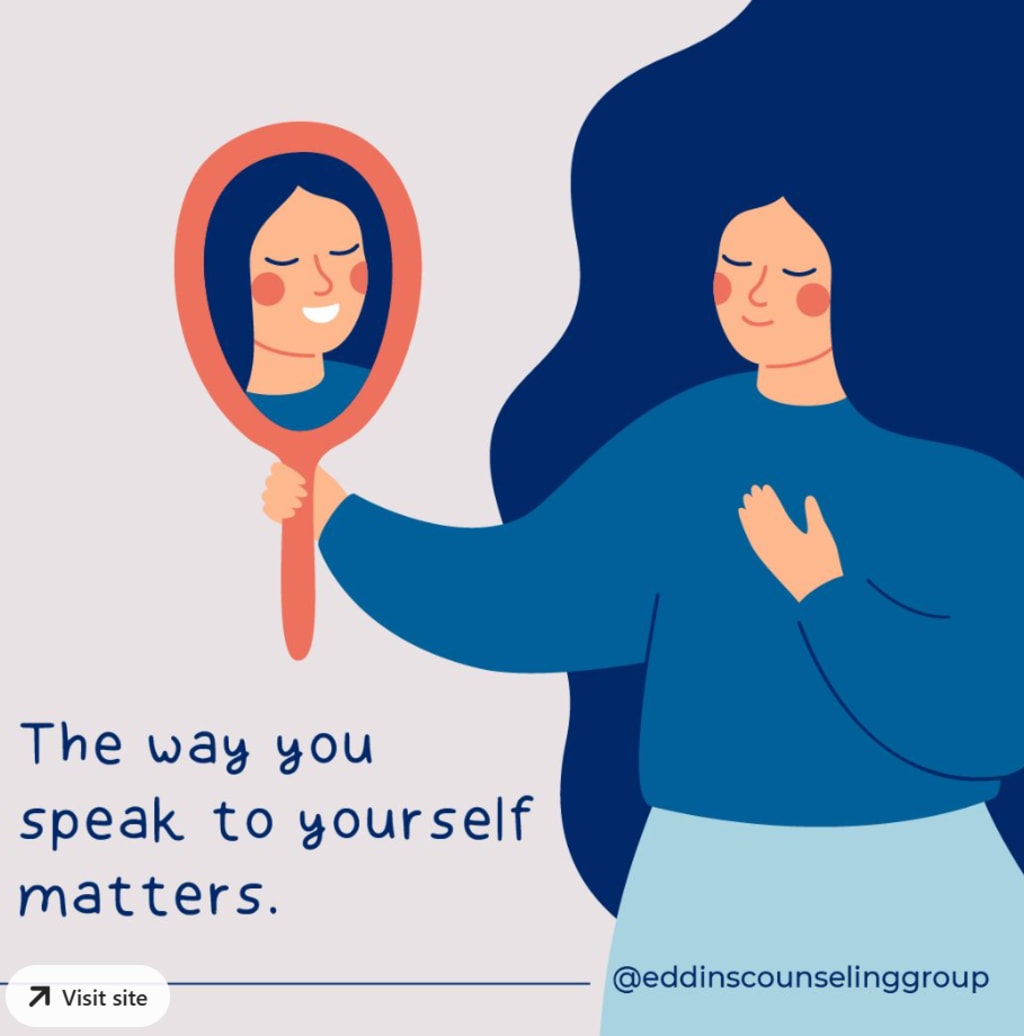
We’ve all experienced it. You wake up to the sound of your alarm blaring, muttering to yourself, “Why did I set it so early?” You brush your teeth, then pause and think, “I need a haircut... unless?” You rush out the door, reach for your keys, and... they’re not there. Frustration sets in as you shout, “I can’t do anything right!”—just in time to catch a glimpse of your neighbor.
It’s a moment many of us can relate to: caught in a conversation with ourselves. But is this something to be embarrassed about? Some people may even associate talking to yourself with mental instability. However, decades of psychological research suggest that self-talk is not only common but entirely normal. In fact, it's a critical part of how we navigate our lives every day.
What Is Self-Talk?
Self-talk refers to the internal or external narration that runs through our heads. It differs from mental imagery or recalling facts. Psychologists define self-talk as verbalized thoughts directed toward yourself or a specific area of your life. This can include everything from personal reflections like “I need to work on my free throw” to casual day-to-day thoughts like, “The gym is too crowded tonight. I’ll try again tomorrow.”
While most self-talk is internal in adults, speaking to ourselves out loud also counts. In fact, early in life, children often speak their thoughts aloud as they play. Russian psychologist Lev Vygotsky argued that this form of self-talk is key to a child’s development, helping them manage emotions and behavior as they mimic conversations with adults.
As we grow older, this outward self-talk typically becomes internalized, forming the private dialogue we carry with us throughout the day. But why do we do it? And how does what we say to ourselves impact our lives?
The Science Behind Self-Talk
Psychologists continue to explore the mysteries of self-talk. While studying it presents challenges—since it’s often spontaneous and done without conscious effort—there are key insights about how it works. Research has shown that self-talk can significantly affect our performance, emotions, and overall mindset. The tone and nature of these internal conversations can shape how we approach tasks, deal with stress, and even motivate ourselves.
For example, positive or instructional self-talk has been shown to improve focus and boost self-esteem. A study of collegiate tennis players found that using self-talk to guide their actions increased their concentration and accuracy. Similarly, talking to yourself can help you regulate your emotions, just as chatting with a friend can reduce stress.
The Benefits of Distanced Self-Talk
One interesting form of self-talk is known as distanced self-talk. Instead of saying, “I’m going to crush this exam,” you might say something like, “Caleb, you are prepared for this test!” Research suggests that using a more distanced or third-person perspective can reduce stress and improve performance, especially during anxiety-inducing tasks like public speaking or meeting new people.
This approach allows you to distance yourself from the pressure of the moment, providing a sense of objectivity that can make challenging situations feel more manageable. It’s like having a supportive friend in your corner, even if that friend is you.
The Dangers of Negative Self-Talk
While self-talk can be a helpful tool, it’s important to recognize that not all self-talk is beneficial. In fact, negative self-talk can be harmful. Everyone has moments of self-criticism, but when this self-talk becomes excessive or overwhelmingly negative, it can be toxic. Negative self-talk is linked to increased feelings of anxiety and depression. People who constantly blame themselves for their problems or dwell on their mistakes often find themselves stuck in a cycle of negativity that can affect their mental well-being.
This is where therapies like Cognitive Behavioral Therapy (CBT) come in. CBT helps individuals identify patterns of negative self-talk and replace them with more neutral or compassionate reflections. Over time, these tools can improve mental health by breaking the cycle of negativity and fostering a healthier inner dialogue.
Why Your Inner Voice Matters
The next time you catch yourself talking to yourself, take a moment to reflect on the tone of that conversation. Are you being kind and encouraging, or are you overly critical? It’s essential to remember that this inner voice is with you for life. As you navigate your goals, challenges, and everyday tasks, that voice can be a helpful guide—or a harmful critic.
So, be mindful of what you say to yourself. Positive self-talk can boost your performance, reduce stress, and help you overcome obstacles. On the other hand, negative self-talk can hold you back and worsen your emotional state. By recognizing the power of your inner dialogue, you can make your thoughts work for you rather than against you.
After all, your inner voice is a partner you’ll be talking to for many years to come. Make sure it’s a voice that lifts you up, not one that keeps you down.
________________________________________
Next time you find yourself muttering under your breath or having a full-blown conversation with yourself, embrace it. Just remember, be kind—it’s a conversation that matters.
About the Creator
TR Scribbles
Learn about yourself and around yourself.
Keep reading
More stories from TR Scribbles and writers in Families and other communities.
Debunking Common Sleep Myths: What Science Says About Better Rest
Sleep is essential for overall health and well-being, yet many misconceptions surround it. Understanding the truth about sleep can lead to healthier habits and improved quality of life. Here are some of the most common sleep myths debunked by experts.
By TR Scribbles12 months ago in Longevity
Wise~Guys
— Look Behind what's in Front of You ~ Make Good Choices — Hey, So how you Doin'..! Made~Men — Mobster Movies romanticise a distinctive, elegant appearance, impeccable attire style, along with the 'Families' expressive lingo. Making their 'Bones' gave them Panache — with vintage fedoras, tailored pin-striped suits, mirror-polished wing-tip shoes adorned with tassels; with their 'Gun Moll' gorgeous dates on their arms.
By Jay Kantor24 days ago in Families
Building Trust Through Safety: The Journey to High Reliability in Healthcare
Healthcare is a field where lives depend on daily choices. Small mistakes can cause serious harm. For this reason, many leaders now focus on High Reliability in Healthcare. This idea comes from industries like aviation and nuclear power. These fields work with high risk, yet they keep failures rare. Healthcare can follow the same path with the right mindset and systems in place. The journey takes time, effort, and clear goals. It starts with High Reliability Organizations in Healthcare, which place safety first in every action and decision. High Reliability in Healthcare means doing the right thing every time. It means reducing errors, learning from problems, and protecting patients. This approach does not rely on luck or heroics. It depends on strong systems, teamwork, and shared values. Hospitals and clinics that choose this path aim for steady care, even under pressure. They do not accept harm as usual. They work each day to make care safer.
By Brady Beitlich3 days ago in Families




Comments
There are no comments for this story
Be the first to respond and start the conversation.