
Could your loo problems be a red flag?
Almost all men as they age, face a myraid of urination related problems which could affect the overall quality of life.

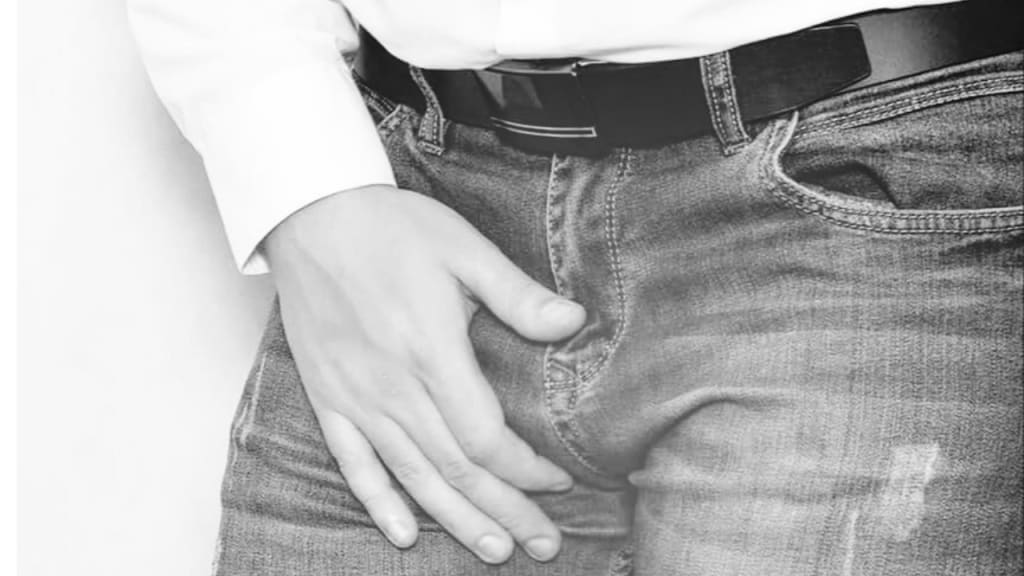
As far as I remember, My father was a healthy man. He didn't have any ailments until recently he started complaining of frequent urinary problems. He had to pass frequently during the night and seriously messed up his and my mother's sleep. Immediately he was shown to the doctor. Doctor reported his prostate to be the reason and is inevitable.
This 'troublemaker' is a small walnut shaped gland found below the urinary bladder in male. It surrounds the urethra at the neck of the bladder. It is through urethra that urine is passed and semen is ejaculated.
This gland remains normal until you hit your fifties. Once you are middle-aged, you begin to have trouble initiating urination or you may often experience that urgent need to visit the loo every now and then. Sometimes your urine stream becomes weak or scattered or dribbles towards the end. Often,you have to frequent the bathroom at night.
Well, all these red flags alert you of Benign Prostatic Hyperplasia or BPH or in common terms,prostate enlargement.
Prostate enlargement happens with age.BPH affects about 50 percent of men between the ages of 51 and 60 and up to 90 percent of men older than 80.It is so common that almost all men will have an enlarged prostate if they live long enough.
The cause of prostate enlargement is unknown but is believed to be linked to the hormonal changes as man ages.The balance of hormones (testosterone,estrogen and dihydrotestosterone levels) changes with age in men and this may cause the prostate gland to grow.
The prostate enlargement is a progressive disease and as a man ages, the symptoms and signs of BPH increases. As the prostate enlarges, it presses against the urinary bladder and squeezes the urethra.This blocks the flow of urine out of the bladder. With time, bladder muscles weaken and lose the ability to empty the bladder completely. This leads to urinary retention and together with narrowed urethra cause most of the BPH problems. The severity of it varies from man to man. Some men with only slightly enlarged prostate can have significant blockage and symptoms, while other men with a very enlarged prostate can have only minor blockage and symptoms. In some, it can be mild and manageable while in others, it can be troublesome and needs treatment.
The treatment for an enlarged prostate depends on the size of prostate,the severity of symptoms and other existing health conditions. It includes, "watchful waiting," lifestyle change,medications, minimal invasive procedures and surgery.
Men with chronic BPH often develop several urinary- related complications like urinary tract infections, acute urinary retention,kidney stones,renal damage etc.
Prostate-related lower urinary tract symptoms are also often accompanied by various sexual dysfunctions. The extent of any sexual dysfunction varies with the condition of the prostate.BPH often has associated erectile and ejaculatory problems. Interest in sexual intercourse declines with severity of prostate symptoms. The Multi-national Survey of the Aging Male (MSAM-7) conducted recently in six European countries and the United States which included more than 14,000 men of age 50 to 80 years, representing the target population in each country reported erection difficulties(49%), ejaculatory disturbance(48%), and pain during sex(7%).This survey has clearly confirmed that the extent of the disturbance caused by sexual disorders is strongly related to both age and severity of BPH. This relationship confirms the necessity to take sexuality into account in the initial evaluation of a BPH patient and in the choice of the treatment.
Prostate enlargement isn't usually serious, but it can have a serious impact on your quality of life, especially when you frequent the bathroom. Important thing to remember is that BPH is treatable. If you've been caring for your symptoms for 2 months but with no relief, or you're having more serious symptoms like not urinating at all, a fever or pain in your back or abdomen, call your doctor as soon as possible and find out the treatment that works best for you. Timely treatment can make a huge difference to your prostate-related problems and you can very well enjoy that quality of life to the maximum.
About the Creator
Keep reading
More stories from Krishna585 and writers in Longevity and other communities.
How Trackless Mining Equipment Suppliers in China Operate in 2026
When searching for reliable trackless mining equipment manufacturers in China, the options get overwhelming fast. You jump on a supplier portal and suddenly see thousands of identical looking machines. Buying heavy machinery for a mine is not like ordering basic office supplies. If a loader breaks down three miles underground, the whole production schedule stops immediately. The financial hit is massive. Finding the right factory matters a lot more than just getting a cheap price tag on a shiny new vehicle.
By CEO A&S Developersabout 15 hours ago in Longevity




Comments
There are no comments for this story
Be the first to respond and start the conversation.