
Comparison of Weight Loss Effects According to Massage Techniques and Treatment Methods
The basic principle of massage is to stimulate the capillaries distributed under the subcutaneous fat by applying constant pressure and stimulation to the muscles and skin, thereby promoting blood circulation.
Introduction
Obesity has emerged as a serious health problem in modern society. Excessive weight increases the risk of various chronic diseases such as cardiovascular disease, diabetes, and hypertension, and can significantly reduce the quality of life of an individual. According to the World Health Organization (WHO), the number of obese people is rapidly increasing worldwide, which is recognized as a global health crisis.
Weight loss is not simply for appearance, but is an essential process for maintaining a healthy life. Appropriate weight management can improve metabolism, optimize body functions, and improve overall health.
In this context, massage therapy has been attracting attention as an interesting adjunct approach to the weight loss process. Massage has the potential to positively affect the physiological mechanisms of the body beyond simple relaxation therapy. Various physiological effects of massage, such as improved blood circulation, stimulation of the lymphatic system, and reduction of stress hormones, can indirectly contribute to the weight loss process.
This study aims to deeply analyze the physiological effects of massage therapy on weight loss and explore the potential mechanisms by which various massage techniques can act on metabolic activity and weight management. The main purpose of this study is to present an innovative and holistic approach to healthy weight management.
Types of massage techniques
Various massage techniques that are effective for weight loss can contribute to the body's metabolic activity and weight management through their own unique mechanisms.
Acupressure massage is a traditional treatment technique in Oriental medicine that applies pressure to specific meridian points to regulate energy flow. This technique can stimulate the endocrine and digestive systems to promote metabolism and improve hormonal balance. In particular, it can help suppress excessive food intake and fat accumulation by lowering the level of the stress hormone cortisol.
Lymphatic massage is excellent for removing toxins from the body and reducing edema by promoting lymphatic circulation. This technique can indirectly contribute to weight loss by improving cellular metabolic processes and promoting body fluid circulation. In particular, it plays an important role in increasing metabolic efficiency by effectively circulating stagnant lymph fluid.
Deep tissue massage focuses on the deep layers of the muscles to improve muscle relaxation and blood circulation. It can relieve muscle tissue tension and promote metabolic activity, thereby promoting fat breakdown. It can also help increase basal metabolic rate by activating muscle metabolism, which can have a positive effect on long-term weight management.
These massage techniques go beyond simple relaxation therapy and deeply engage the physiological mechanisms of the body, which can provide potential help in weight management. Choosing the right massage technique that suits your physical condition and goals is the key to effective weight management.
Massage treatment methods
Massage treatment methods for weight loss can be approached in various ways depending on your physical condition and goals. Massage methods can be broadly divided into full-body massage and area-focused massage, and each approach has its own advantages and limitations.
Full-body massage is an excellent way to improve blood circulation and lymphatic function throughout the body. This method is effective in activating overall metabolism and reducing stress, and promotes balanced relaxation of the body. On the other hand, area-focused massage can focus on specific areas of fat accumulation or problem areas, so you can expect a more specific weight loss effect.
Massage intensity and pressure control are key factors in the treatment effect. Moderate pressure is generally shown to be most effective. Too little pressure may limit effective muscle relaxation and improved blood circulation, while too much pressure may cause muscle damage or discomfort.
The optimal massage frequency for weight loss is generally 1-2 times a week, 45-60 minutes per session. It is effective to start with a high frequency initially and gradually increase it. A customized approach is necessary depending on the individual's physical condition, weight loss goals, and overall health.
There are several important points to keep in mind when receiving a massage treatment.
1. The individual's physical condition and health conditions should be thoroughly evaluated in advance.
2. It is recommended to drink water and exercise lightly before and after the massage.
3. Consult a professional massage therapist to choose the massage method that is optimal for the individual.
Ultimately, an effective massage treatment requires a holistic approach that considers the individual's overall health and well-being beyond a simple technical approach. Massage is an adjunct method for weight loss, and it should be approached comprehensively along with a healthy diet and regular exercise to achieve the best results.
Comparison of Weight Loss Effects
As a result of scientific comparative analysis of the weight loss effects of massage techniques, it was confirmed that each technique can contribute to weight management through its own mechanism.
Acupressure massage showed the most prominent effects in terms of hormonal regulation and metabolic activation. It showed the potential for weight loss of about 3-5% on average through reduction of cortisol levels and stimulation of the endocrine system. However, for long-term and continuous effects, it should be combined with diet control and exercise.
Lymphatic massage showed excellent effects in removing toxins from the body and reducing edema, and can provide a weight loss effect of about 2-4%, especially for individuals with a lot of water accumulation. However, it is likely to be a temporary weight loss, so continuous management is necessary.
Deep tissue massage showed the most direct weight loss effect in terms of muscle metabolism activation and fat decomposition promotion. It suggested the possibility of weight loss of about 4-6% on average through increased muscle mass and improved basal metabolic rate.
Each massage technique also has potential side effects.
1. Acupressure massage: Risk of hormonal imbalance if overstimulated
2. Lymphatic massage: Caution is required for patients with cardiovascular problems
3. Deep tissue massage: Possible side effects such as muscle pain and temporary bruising
For effective weight loss, individual physical condition, health status, and a customized approach from a professional are important. It should be noted that massage is an adjunct method and cannot replace a healthy diet and regular exercise.
Conclusion
Massage therapy is gaining attention as an innovative and holistic approach to weight loss. Acupressure, lymphatic, and deep tissue massage each have their own unique mechanisms that can potentially help with the body's metabolic activity and weight management. However, it should be recognized that massage is not a fundamental weight loss solution, but rather an adjunct method that complements a healthy lifestyle.
Future research should focus on the following aspects:
1. Scientific verification of long-term massage effects
2. Development of personalized massage protocols
3. Elucidation of precise physiological mechanisms between massage and metabolic activity
Ultimately, effective weight management can be achieved through an integrated approach of a balanced diet, regular exercise, and adjuvant therapies such as massage.
About the Creator
Mr. choi
I think you can enjoy sports more if you have basic knowledge about sports. I want to create opportunities to learn little by little. I want to provide information such as sports broadcasts and sports news.
Day 4 of Quitting
If this is how sobriety feels, maybe it’s better to go through life a little buzzed… this, along with other hits like, I want to kill myself, I wish I was dead, and I’m going to throw myself off a bridge have been the only thoughts on rotation these past few days. I promise myself that if, in a month, I still feel like this (‘this’ meaning despondent, full of rage, and simultaneously numb) I can go back to smoking. Until mid-February though? Nicotine is off the table.
By sleepy drafts13 days ago in Longevity
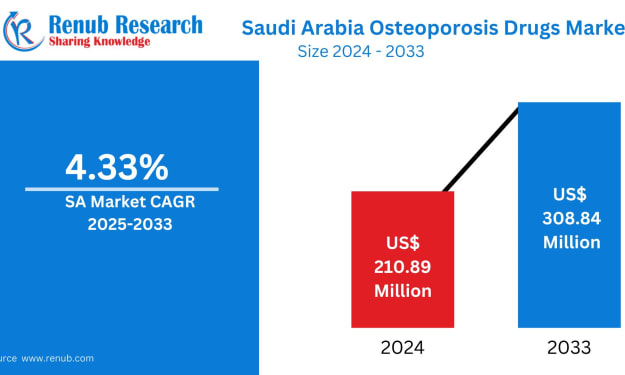
Saudi Arabia Osteoporosis Drugs Market Poised for Steady Growth Through 2033
Saudi Arabia Osteoporosis Drugs Market Size and Forecast 2025–2033 The Saudi Arabia Osteoporosis Drugs Market is projected to grow from US$ 210.89 million in 2024 to US$ 308.84 million by 2033, registering a compound annual growth rate (CAGR) of 4.33% between 2025 and 2033. This steady expansion reflects the growing burden of osteoporosis, increased screening rates, rapid uptake of biologics, and government-led healthcare reforms under Vision 2030.
By Renub Researcha day ago in Longevity


Comments
There are no comments for this story
Be the first to respond and start the conversation.