
Common CPAP machine accessories and their uses
Using your CPAP Accessories for Improved Sleep

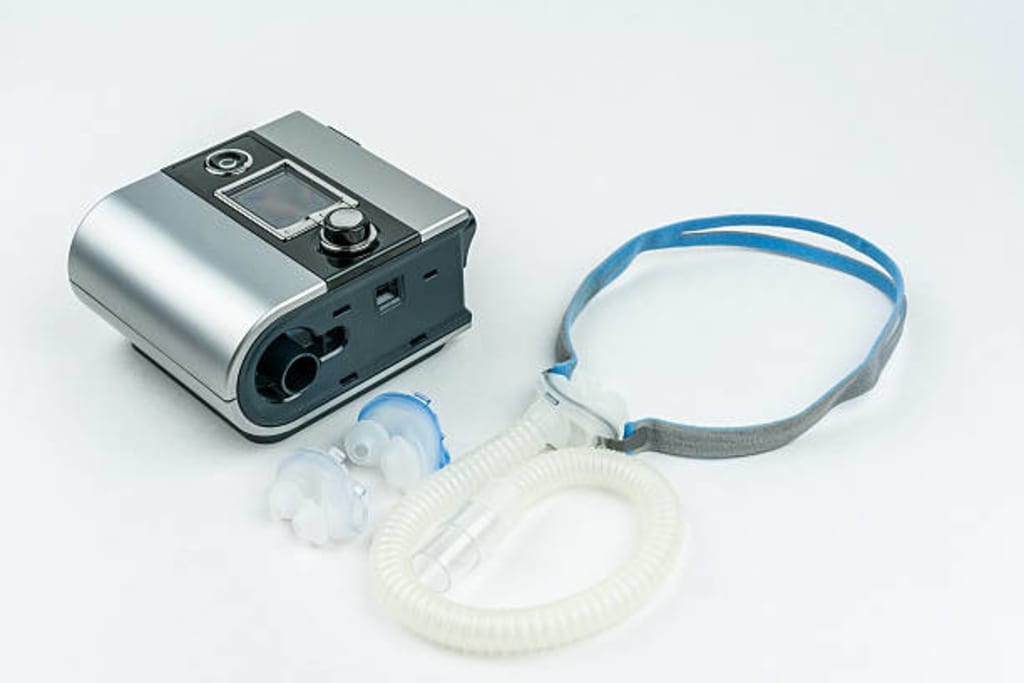
Continuous Positive Airway Pressure (CPAP) machines are commonly used to treat sleep apnea. These machines work by delivering a continuous flow of air through a mask to help keep the airway open while you sleep. Along with the machine itself, there are several accessories that can make using a CPAP machine easier, more comfortable, and more effective. Here, we’ll go over some of the most common CPAP machine accessories and their uses.
What Are CPAP Machines?
When you use a CPAP machine to treat sleep apnea, air pressure is delivered through a mask to elevate the tissues in your airways so that they do not collapse and restrict your breathing at night. Each person will require a different amount of air pressure, which may be measured at a sleep lab or at home with the aid of testing kits. According to the American Sleep Association, certain CPAP devices may also carry out auto-titration.
CPAP devices are frequently preferred over alternative sleep apnea therapies because they are non-invasive, extremely effective, and yield quick effects. Here are a few possible advantages of CPAP treatment.
CPAP Accessories Used Are:
- CPAP Mask: The CPAP mask is one of the most important components of a CPAP system, as it is responsible for delivering the air from the machine to your airway. There are several types of masks to choose from, including nasal masks, full face masks, nasal pillow masks, and hybrid masks. Each type of mask has its own unique benefits and features, and the right mask for you will depend on your specific needs and preferences.
- CPAP Hoses: CPAP hoses are responsible for delivering air from the machine to the mask. Standard hoses are 6 feet long, but longer hoses are available for people who need more mobility while they sleep. It's important to choose a hose that is durable and made from materials that won’t cause any allergic reactions.
- Filters: Filters are used to clean the air entering the machine and prevent the buildup of dust, allergens, and other particles that can affect the quality of the air you breathe. There are two types of filters - disposable filters that need to be replaced regularly and washable filters that can be cleaned and reused.
- CPAP Headgear: The headgear is responsible for holding the mask in place while you sleep. It should be comfortable and adjustable, and made from materials that won’t cause skin irritation or allergies. Some headgear is designed to be worn with a specific type of mask, so it’s important to choose the right one for your mask.
- Humidifiers: CPAP machines can dry out the airways, causing discomfort and irritation. A humidifier can help add moisture to the air, making it easier to breathe and reducing the risk of side effects like dry mouth, nose, and throat. There are two types of humidifiers - integrated humidifiers that are built into the machine and standalone humidifiers that can be added to your CPAP machine.
- CPAP Pillows: CPAP pillows are designed to provide support and comfort while you sleep with a CPAP mask. They come in different shapes, sizes, and materials to suit different preferences and sleeping positions.
- CPAP Cleaners: Keeping your CPAP machine and accessories clean is important to prevent the growth of bacteria, mold, and other microorganisms. CPAP cleaners use ozone or ultraviolet light to sanitize the machine, hoses, and mask, helping to keep your CPAP system hygienic and safe to use.
Conclusion
The above mentioned are some of the most common CPAP machine accessories and their uses. It's important to choose the right accessories to get the most out of your CPAP machine, and to make using it as comfortable and effective as possible. If you have any questions about the best accessories for your CPAP machine, be sure to talk to your healthcare provider or a sleep specialist.
About the Creator
Andrea Nelson
Hello everyone, myself Andrea Nelson, I am a aspiring medical intern. I'm passionate about providing compassionate care to patients and improving their quality of life.
Keep reading
More stories from writers in Longevity and other communities.
The Lesions of Devotion
Every day I set myself down on the freshly cut lawn and strip myself bare. I take my guitar and finger the frets and pick at the strings, listening for dissonance. My life is dissonance. I twist the tuning pegs until each string sounds bright. Then I kneel, calves pointing behind me, kneecaps facing forward. All exposed to the breeze. I close my eyes and play the melody.
By Paul Stewart5 days ago in Fiction


Comments
There are no comments for this story
Be the first to respond and start the conversation.