
Cold Shower vs Cold Plunge
Which is Better for Your Health?
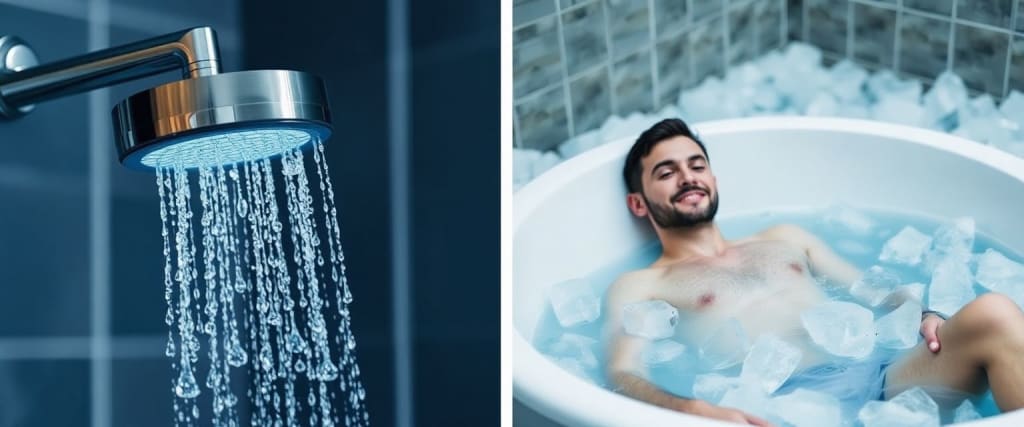
When it comes to cold therapy, two popular methods often come to mind: cold showers and cold plunges. Both are known for their numerous health benefits, including boosting circulation, reducing inflammation, and enhancing recovery. But how do they stack up against each other? In this article, we’ll explore the differences, benefits, and ideal use cases of a cold shower vs cold plunge to help you decide which is best for you.
What Is a Cold Shower?
A cold shower is exactly what it sounds like—a shower where the water temperature is significantly colder than your body’s natural temperature. Typically, a cold shower ranges between 50°F and 70°F. This method is popular due to its accessibility and ease of use. You don’t need special equipment or setup—just turn your shower knob to cold and step in.
What Is a Cold Plunge?
A cold plunge, on the other hand, involves submerging your body in a tub or pool of icy water. Cold plunges are typically much colder than cold showers, with water temperatures ranging from 37°F to 50°F. Unlike cold showers, cold plunges often require dedicated equipment like a cold plunge tub or a setup to maintain consistent temperatures.
Cold Shower vs Cold Plunge: Key Differences
Let’s break down the main differences between a cold shower vs cold plunge:

Benefits of a Cold Shower vs Cold Plunge
Both cold showers and cold plunges offer overlapping benefits, but the extent and intensity of these benefits differ based on the method you choose.
Benefits of Cold Showers
- Convenience: Cold showers are accessible anywhere with a water supply. You can incorporate them into your daily routine without extra effort.
- Quick Energy Boost: The sudden exposure to cold water stimulates your nervous system, leaving you feeling refreshed and awake.
- Improved Circulation: The temperature contrast causes blood vessels to constrict and dilate, boosting circulation.
- Mental Toughness: Enduring a cold shower builds resilience and helps train your mind to handle discomfort.
Benefits of Cold Plunges
- Deeper Recovery: The lower temperatures and full-body immersion in a cold plunge offer more intense anti-inflammatory effects, speeding up recovery.
- Enhanced Metabolic Benefits: Cold plunges stimulate brown fat activation, which boosts calorie burning and improves metabolism.
- Better Skin Health: The cold water tightens pores, reduces inflammation, and can improve overall skin texture.
- Full Immersion for Maximum Effect: Unlike cold showers, cold plunges expose your entire body to cold water, delivering more comprehensive results.
Cold Shower vs Cold Plunge for Athletes
Athletes often turn to cold therapy for muscle recovery, and the choice between a cold shower vs cold plunge can depend on their specific recovery needs.
- Cold Shower: Best for a quick recovery session after a moderate workout. It’s accessible and helps reduce general soreness without the need for specialized equipment.
- Cold Plunge: Ideal for athletes who engage in intense training sessions or competitions. The full-body immersion at lower temperatures provides deeper muscle recovery and inflammation reduction.
Which Is More Effective: Cold Shower vs Cold Plunge?
When it comes to effectiveness, a cold plunge is generally more powerful than a cold shower. Here’s why:
- Lower Temperatures: The colder water in a plunge tub provides a stronger stimulus for the body’s thermoregulatory processes.
- Full-Body Immersion: Cold plunges ensure that every part of your body, including hard-to-reach muscle groups, benefits from the cold exposure.
- Prolonged Exposure: With cold plunges, you can comfortably stay immersed for longer durations, which enhances the therapeutic effects.
That said, cold showers still offer great benefits and are perfect for those who want a quick and easy way to incorporate cold therapy into their routine.
How to Incorporate Cold Therapy Into Your Routine
Whether you prefer a cold shower vs cold plunge, consistency is key to reaping the benefits. Here are some tips:
Cold Shower Tips
- Start Gradually: If you’re new to cold showers, start with lukewarm water and gradually decrease the temperature.
- Focus on Breathing: Controlled breathing helps you adapt to the cold and stay calm.
- Short Sessions: Aim for 2-5 minutes of cold water exposure.
Cold Plunge Tips
- Use a Reliable Tub: Invest in a high-quality cold plunge tub to maintain consistent water temperatures.
- Set a Timer: Begin with shorter sessions (1-3 minutes) and gradually increase to 10-15 minutes as you adapt.
- Stay Hydrated: Cold plunges can be dehydrating, so drink plenty of water before and after.
Cold Shower vs Cold Plunge: Cost Comparison
Another factor to consider is the cost:
- Cold Shower: Essentially free, as it only uses your home’s water supply.
- Cold Plunge: Requires an upfront investment in a cold plunge tub or equipment. However, many find the benefits outweigh the cost, especially for serious recovery and wellness routines.
Popular Cold Plunge Tubs
For those considering a cold plunge, here are some of the top options on the market:
- Inergize Cold Plunge Tub: This tub offers a portable and self-cleaning design with temperature controls for both cold and hot immersion.
- Coldture Barrel Tub: Known for its durable construction and advanced filtration system.
- The Ice Pod Tub: A compact and efficient cold plunge tub perfect for smaller spaces.
Who Should Choose a Cold Shower?
A cold shower is perfect for:
- Beginners to cold therapy.
- Individuals with limited space or budget.
- Those looking for a quick and convenient recovery method.
Who Should Choose a Cold Plunge?
A cold plunge is ideal for:
- Athletes and fitness enthusiasts seeking deep recovery.
- Individuals looking for maximum therapeutic benefits.
- Those with access to a dedicated cold plunge tub.
Final Thoughts: Cold Shower vs Cold Plunge
Both cold showers and cold plunges offer incredible benefits for your body and mind, but they serve different purposes. If you’re new to cold therapy or need a quick solution, a cold shower is a fantastic place to start.
However, if you’re looking for a more intense and effective option, investing in a cold plunge tub is well worth it.
Ultimately, the choice between a cold shower vs cold plunge depends on your goals, lifestyle, and budget. Whichever method you choose, cold therapy is a powerful tool to enhance recovery, boost energy, and improve overall well-being.
FAQs
1. Is a cold plunge better than a cold shower for recovery?
Yes, cold plunges are generally better for recovery as they offer lower temperatures and full-body immersion, providing deeper therapeutic benefits.
2. Can I alternate between cold showers and cold plunges?
Absolutely! Both methods complement each other and can be used interchangeably based on your needs and availability.
3. How long should I stay in a cold plunge?
Start with 1-3 minutes and gradually increase to 10-15 minutes as your body adapts to the cold.
4. Are cold showers enough for muscle recovery?
Cold showers are effective for mild muscle recovery, but cold plunges are more effective for intense recovery due to their lower temperatures.
5. What is the ideal temperature for a cold plunge?
The ideal temperature for a cold plunge is between 37°F and 50°F.
About the Creator
Arctic Plunge Gear
I’m passionate about cold therapy and wellness. Explore more at https://arcticplungegear.com/
Keep reading
More stories from Arctic Plunge Gear and writers in Longevity and other communities.
10 DIY Medicinal Herbs (Very Effective)
There's something deeply satisfying about growing your own medicinal herbs. For centuries, our ancestors relied on backyard gardens not just for food, but for natural remedies that supported their health and well-being.
By Edward Smith3 days ago in Longevity



Comments
There are no comments for this story
Be the first to respond and start the conversation.