
Cold Plunges and Ice Baths: Exploring the Latest Wellness Trend
Discover the Science Behind Cold Plunge Benefits, Ice Bath Therapy, and How Cold Exposure Wellness is Transforming Modern Health Routines

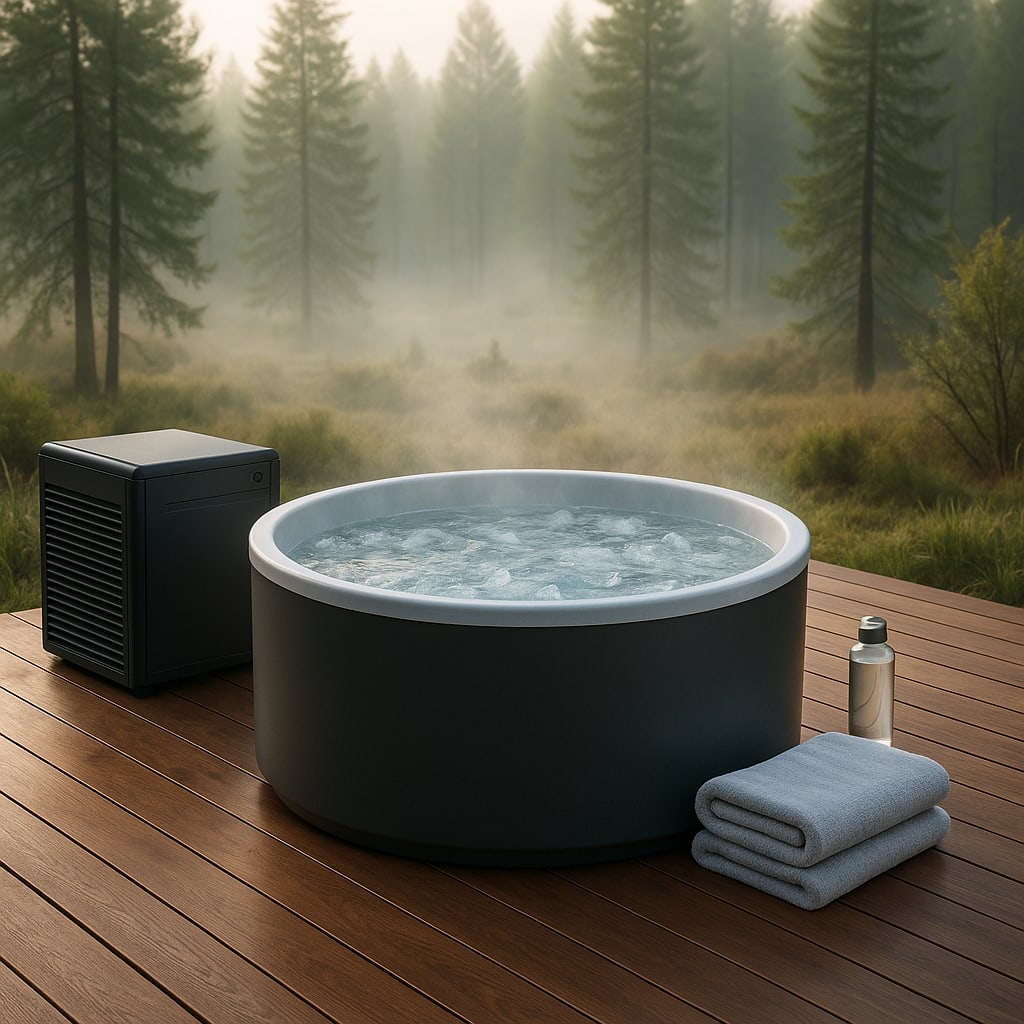
In recent years, cold plunges and ice baths have surged in popularity, becoming a staple in the routines of elite athletes, health enthusiasts, and wellness seekers alike. In fact, Google's Year in Search for 2023 revealed that water chillers for ice baths were among the top-searched appliances, showing just how widespread interest in cold exposure wellness has become.
But what exactly are the cold plunge benefits everyone is raving about? Is ice bath therapy truly effective for muscle recovery and mental clarity, or is it just another passing trend? In this in-depth guide, we’ll dive into the science behind cold therapy, explore its potential benefits, and help you decide whether you should incorporate it into your wellness routine.
What is Cold Plunge and Ice Bath Therapy?
At its core, a cold plunge or ice bath involves immersing the body in cold water—typically between 39°F and 59°F (4°C to 15°C)—for a set period, usually ranging from 2 to 10 minutes.
While the practice may seem intense, cold exposure therapy has ancient roots. Cultures from Japan's Shinto traditions to Nordic countries have long used cold water immersion to promote physical and mental resilience. Today, modern wellness enthusiasts are combining age-old techniques with new technologies like water chillers to make cold plunges more accessible at home.
The Rising Popularity of Cold Therapy
The buzz around cold exposure wellness isn't just anecdotal. Prominent athletes like LeBron James and wellness influencers like Wim Hof (also known as "The Iceman") have publicized their use of ice bath therapy to enhance recovery, build mental toughness, and optimize performance.
Even EatingWell highlighted the trend, pointing out the growing interest in cold immersion as part of holistic health practices. As consumers seek natural ways to boost their physical and mental well-being, cold plunges offer an appealing, drug-free solution.
The Science-Backed Benefits of Cold Plunges
1. Reduced Muscle Soreness and Inflammation
One of the most well-documented cold plunge benefits is its ability to reduce muscle soreness and inflammation. After intense physical activity, cold water immersion helps constrict blood vessels, limiting inflammation and reducing the microtrauma that leads to delayed-onset muscle soreness (DOMS).
A 2016 meta-analysis published in Sports Medicine found that cold water immersion significantly reduced muscle soreness at 24, 48, 72, and even 96 hours post-exercise compared to passive recovery.
2. Improved Circulation
Alternating between cold immersion and warmth (such as a sauna) can create a "vascular workout," training blood vessels to expand and contract efficiently. This may enhance circulation, helping deliver oxygen and nutrients more effectively throughout the body.
Better circulation not only promotes recovery but may also improve overall cardiovascular health, making it a valuable component of a broader cold exposure wellness routine.
3. Boosted Immune Function
Some preliminary studies suggest that regular cold exposure could stimulate the production of white blood cells and increase antioxidant levels, supporting the immune system. Wim Hof’s breathing and cold therapy techniques have been studied for their potential to modulate immune responses under extreme conditions.
4. Enhanced Mood and Mental Clarity
Taking a cold plunge can trigger a powerful endorphin rush, improving mood almost immediately. Cold exposure also stimulates the production of norepinephrine, a neurotransmitter associated with focus and attention.
A 2018 study in Medical Hypotheses suggested that cold showers and immersions might be effective for alleviating symptoms of depression by activating the sympathetic nervous system and increasing beta-endorphin levels.
5. Better Sleep
Cold exposure can help regulate circadian rhythms by lowering core body temperature, a natural precursor to sleep. Some users report falling asleep faster and experiencing deeper sleep after a regular ice bath practice.
Tips for Safe and Effective Cold Plunging
While ice bath therapy offers exciting benefits, it’s crucial to approach it safely:
- Start Gradually: Begin with shorter exposure times (2–3 minutes) and gradually build tolerance.
- Monitor Water Temperature: Aim for water between 50°F–59°F (10°C–15°C) for beginners.
- Listen to Your Body: Numbness, extreme shivering, or pain are signs it's time to get out immediately.
- Warm Up After: After the plunge, warm up slowly using blankets or warm fluids; avoid hot showers immediately after as it can shock the body.
- Consult Your Doctor: If you have heart conditions, circulatory problems, or other health concerns, seek medical advice before starting cold immersion therapy.
Setting Up Your Home Cold Plunge
Thanks to technology, you no longer need to fill a bathtub with bags of ice. Water chillers for ice baths have made it easy to maintain consistent temperatures at home.
Here’s what you’ll need for a DIY cold plunge setup:
- A sturdy, waterproof tub (e.g., stock tank, portable cold plunge tub)
- A water chiller capable of keeping temperatures between 39°F and 59°F
- A water filter to maintain hygiene
- Optional: a thermometer, timer, and insulated tub cover
Depending on your budget and space, you can invest in ready-to-go cold plunge systems or build your own for a more affordable setup.
Cold Plunges vs. Cryotherapy: What's the Difference?
While both methods involve cold exposure, cryotherapy typically uses dry air cooled with liquid nitrogen to reach temperatures as low as -200°F for a few minutes, whereas cold plunges immerse the body in cold water.
Cold plunges offer a more accessible, affordable, and arguably more natural way to experience the benefits of cold therapy. Plus, the hydrostatic pressure of water immersion adds additional benefits for circulation and muscle relaxation not achieved through air-based cryotherapy.
Is a Cold Plunge Right for You?
From reducing muscle soreness and improving circulation to boosting mood and sleep quality, the cold plunge benefits are compelling and increasingly backed by science. Whether you're a professional athlete or someone simply looking to elevate your wellness routine, ice bath therapy offers a simple yet powerful tool for resilience and recovery.
As with any wellness practice, consistency and mindfulness are key. Start slow, listen to your body, and enjoy the revitalizing effects that a plunge into cold water can offer.
Given the rising trend and technological advances, there’s never been a better time to embrace the refreshing world of cold exposure wellness.
About the Creator
Richard Bailey
I am currently working on expanding my writing topics and exploring different areas and topics of writing. I have a personal history with a very severe form of treatment-resistant major depressive disorder.
Keep reading
More stories from Richard Bailey and writers in Longevity and other communities.
How to Stop Living on Autopilot and Start Taking Control of Your Life: A Step-by-Step Guide to Mindful Living
Are you tired of feeling like you're just going through the motions every day? If so, you're not alone. More and more people are searching for ways to "stop living on autopilot" and take back control of their lives.
By Richard Bailey10 months ago in Longevity
Professional Balance Coaching: Training the Nervous System for Lifelong Stability
Balance is often misunderstood. When stability declines, the default response is to build stronger legs or improve flexibility. While those strategies can help, they overlook a more important factor: balance is primarily governed by the central nervous system.
By AhmedFitLife6 days ago in Longevity
3 Things to Do Before Bed for Better Blood Sugar, According to Dietitians
KEY POINTS To keep your blood sugar from spiking in the morning, what you do the night before matters. Eating a balanced snack, limiting screens and gently moving all support healthy blood sugar. Other ways to help your morning blood sugar include reducing alcohol and managing stress.
By Good health to everyonea day ago in Longevity



Comments
There are no comments for this story
Be the first to respond and start the conversation.