
Coca-Cola’s Sweet Switch: Is Cane Sugar Really Better Than High-Fructose Corn Syrup?
Coke fans are buzzing about the return of cane sugar—but is it actually healthier, or just clever marketing? Dietitians weigh in.
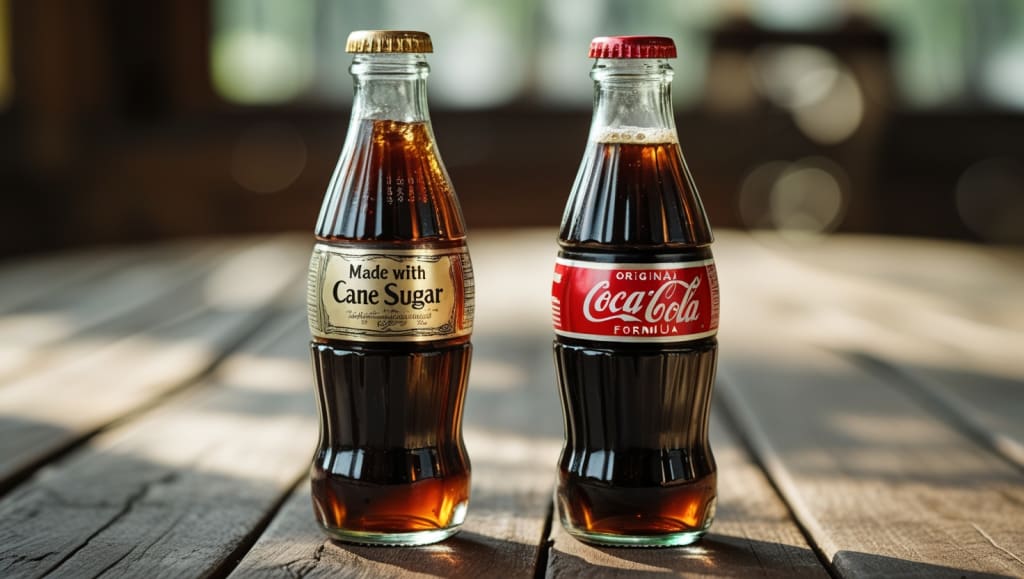
🥤 Coca-Cola’s Big Switch: What's Changing?
Coca-Cola has lately shown a new variation of its well-known soda in the United States. This time, cane sugar will replace high- fructose corn syrup (HFCS). This is great news for Mexican Coke aficionados, which has always included cane sugar.
This decision is a reaction to customers' desire for more “real” components and easier labels. Many others, nevertheless, wonder whether this shift is simply a marketing trick rather than about health.
🧪 Cane Sugar vs. HFCS: What’s the Real Difference?
In terms of chemistry, both cane sugar and high fructose corn syrup (HFCS) consist of the same basic elements: glucose and fructose.
Cane sugar, known as sucrose, links these two molecules, meaning your body has to separate them before use. In contrast, HFCS contains separate glucose and fructose that the body can take in more rapidly.
While this may seem minor, there are notable metabolic variations. Because HFCS is absorbed more quickly, it can cause higher spikes in blood sugar and place a greater strain on your liver.
🧑⚕️ What Dietitians Really Say
According to Keri Gans, MS, RDN:
“From a nutritional standpoint, cane sugar and HFCS are nearly identical. They both contain glucose and fructose and deliver the same number of calories per gram.”
Samantha Cassetty, RD, adds:
“People associate cane sugar with being more natural, but that doesn’t mean it’s healthier. This shift plays more into consumer psychology than actual health benefits.”
In short, even if the source feels more wholesome, the impact on your body is still the same—especially if you're drinking sugary beverages regularly.
🧃 Why Does HFCS Have a Bad Reputation?
HFCS rose to prominence in the U.S. during the 1970s as a cheaper, shelf-stable alternative to cane sugar. But over time, it became a target of health advocates for good reason.
Studies have linked high intake of HFCS—especially from sodas—to:
- Increased fat in the liver
- Disrupted hunger hormones
- Elevated triglycerides
- Risk of obesity and insulin resistance
But here’s the key: these effects come from overconsumption, not necessarily the sweetener itself. Cane sugar, in excess, causes the same problems.
🍬 Taste Test: Is There a Difference?
Many Coke drinkers claim the cane sugar version has a cleaner, less syrupy taste. That’s why Mexican Coke, which uses cane sugar, has developed a cult following in the U.S.
The new version may appeal to fans of vintage flavors—or those who grew up drinking cane-sweetened sodas.
But again, health-wise, it’s still sugar.
📉 Health Impact: Is It Actually Better for You?
Here’s what matters:
- Calories per gram? Same.
- Sugar content per bottle? Still about 39 grams per 12 oz.
- Risk to health in excess? Equal.
The small difference in absorption rate doesn’t outweigh the larger issue: we’re still consuming too much sugar. Most health experts recommend limiting added sugar to:
- 25 grams/day for women
- 36 grams/day for men
That’s less than one can of Coke, regardless of which sweetener is inside.
🧠 Marketing or Meaningful Change?
The return of cane sugar is smart branding. Terms like “real sugar” or “natural sweetener” resonate emotionally, even when the nutritional facts don’t change much.
Consumers perceive cane sugar as cleaner, less processed, and therefore better—even if that’s only partially true.
So is Coca-Cola doing this to improve public health—or to stay competitive with health-conscious buyers?
Probably both.
🥤 What Should You Choose?
Here’s the truth:
If you love the taste of Coke and want the cane sugar version for flavor or nostalgia, go for it. But don’t expect it to improve your health just because it says “cane sugar” on the label.
Want to make healthier choices? Try:
- Swapping soda for sparkling water with lemon or lime
- Limiting soda to once per week or less
- Drinking sodas in smaller portions (e.g., 8 oz bottles)
Moderation—not marketing—is your real friend here.
💬 Final Sip: The Verdict
Coca- decision to use cane sugar shows a respect for custom, taste, and consumer emotions. Though it may have a better flavor or seem more "natural," this choice does not signal a health revolution.
Like all sugar, cane sugar is still sugar, and too much might cause the same problems—weight gain, inflammation, and metabolic strain—regardless of source: corn or cane.
Therefore, feel free to chill. Coke sometimes if it gives you happiness. Remember, don't let the label mislead you into believing it is suddenly nutritious.
About the Creator
Keep reading
More stories from Shahjahan Kabir Khan and writers in Longevity and other communities.
Is Walking the New Running? Experts Weigh In on the Most Underrated Exercise
For many years, running has been seen as the best way to stay fit. If you weren’t putting in miles, working up a sweat, or preparing for a half-marathon, were you really exercising?
By Shahjahan Kabir Khan8 months ago in Longevity
Nine Tips to Help You Cope During Turbulent Times
Periods of uncertainty are an unavoidable part of life. Economic instability, global conflicts, personal setbacks, or rapid social change can all create a sense that the ground beneath us is shifting. When the world feels unpredictable, many people experience anxiety, exhaustion, and emotional overload. Learning healthy ways to cope with these challenges is essential for protecting mental well-being and maintaining a sense of stability. Experts in psychology say that while we cannot always control external events, we can control how we respond to them. By developing supportive habits and maintaining perspective, it becomes easier to navigate difficult moments without becoming overwhelmed. Here are nine practical tips that can help you stay resilient during turbulent times. 1. Limit Your News Intake Staying informed is important, but constant exposure to distressing headlines can increase stress and anxiety. Studies in Psychology suggest that excessive consumption of negative news can amplify feelings of helplessness. Try setting specific times during the day to check reliable sources rather than scrolling continuously through social media or news feeds. 2. Focus on What You Can Control When large events dominate the news, it can feel like everything is out of your hands. One helpful strategy is to shift attention to things within your control—your routines, daily tasks, and personal decisions. Taking small, manageable actions restores a sense of agency and reduces feelings of powerlessness. 3. Maintain Healthy Routines Consistency can provide comfort during uncertain periods. Maintaining regular sleep patterns, balanced meals, and physical activity helps stabilize both mood and energy levels. Even simple routines like morning walks or scheduled breaks can create a sense of normalcy when other parts of life feel unpredictable. 4. Stay Connected With Others Human connection plays a vital role in emotional resilience. Talking with friends, family members, or colleagues can ease the burden of stress and help you process difficult feelings. Social support is widely recognized by mental health professionals as a key factor in maintaining psychological stability. 5. Practice Mindfulness and Relaxation Mindfulness techniques such as meditation, deep breathing, and gentle stretching can calm the nervous system and reduce stress. Many therapists incorporate mindfulness into treatment approaches like Cognitive Behavioral Therapy, which helps individuals manage anxious thoughts and emotional reactions. Even a few minutes of mindful breathing can provide noticeable relief. 6. Take Breaks From Digital Overload Modern technology keeps us connected, but it can also overwhelm us with constant notifications and information. Setting boundaries with devices—such as turning off alerts or scheduling time away from screens—can reduce mental fatigue and improve focus. 7. Engage in Meaningful Activities Participating in activities that bring joy or purpose can counterbalance stress. Creative hobbies, volunteering, learning new skills, or spending time in nature can provide emotional nourishment. These activities remind us that life still contains moments of growth and meaning, even during difficult periods. 8. Be Kind to Yourself During challenging times, people often place unrealistic expectations on themselves. Self-compassion is a powerful tool for emotional resilience. Recognizing that stress reactions are normal—and allowing yourself time to rest and recover—helps prevent burnout. Psychologists emphasize that resilience does not mean ignoring hardship; it means responding to adversity with patience and care toward oneself. 9. Seek Professional Support if Needed If feelings of anxiety, sadness, or hopelessness become overwhelming, reaching out to a mental health professional can be an important step. Conditions such as Anxiety Disorder and Depression can intensify during periods of instability, but effective treatments are available. Speaking with a counselor or therapist can help individuals develop coping strategies tailored to their specific needs. Turbulent times are part of the human experience, and no one is immune to the emotional strain they can create. However, resilience is not a rare trait possessed by only a few people—it is a skill that can be cultivated through awareness, supportive relationships, and healthy habits. By focusing on manageable steps, maintaining connection with others, and caring for your mental health, it becomes possible to navigate uncertainty with greater strength and balance. Even in the most unpredictable moments, small acts of self-care and resilience can make a meaningful difference in how we move forward.
By Fiaz Ahmed 3 days ago in Longevity
🧓 Top 7 Superfoods for the Elderly
As we age, our bodies require more attention to nutrition to maintain strength, immunity, and overall well-being. Older adults are at higher risk of nutrient deficiencies, which can affect energy, bone health, and cognitive function. Choosing nutrient-rich foods—or “superfoods”—can help support healthy aging and improve quality of life.
By Being Inquisitive3 days ago in Longevity


Comments
There are no comments for this story
Be the first to respond and start the conversation.