
Is Walking the New Running? Experts Weigh In on the Most Underrated Exercise
Your daily stroll could be your secret weapon to long-term health.
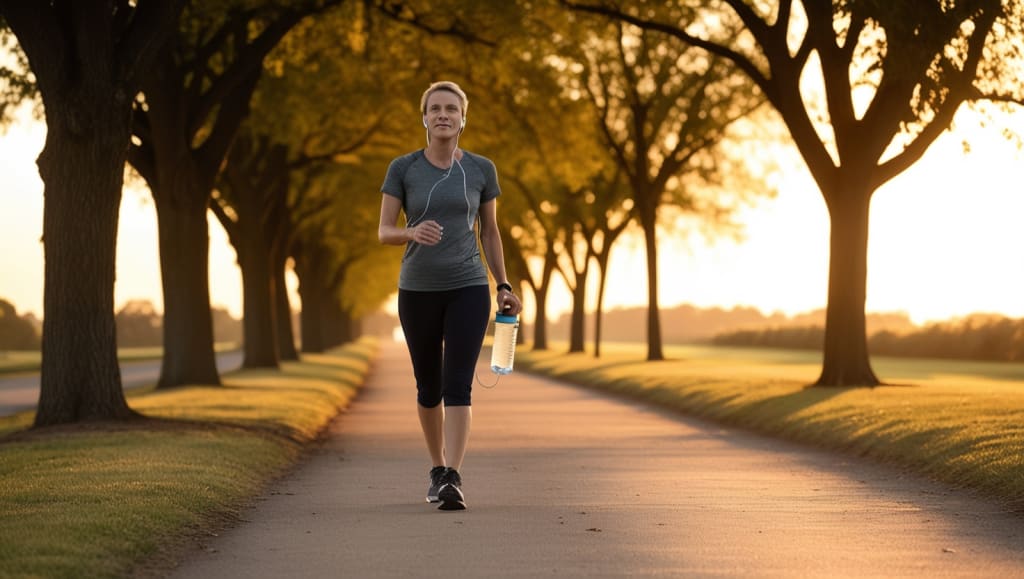
For many years, running has been seen as the best way to stay fit. If you weren’t putting in miles, working up a sweat, or preparing for a half-marathon, were you really exercising?
However, in 2025, an unexpected change is occurring: a growing number of individuals are putting on their sneakers to volunteer for walking instead of running. Not brisk walking. Not fast walking. Just plain walking.
Often underestimated or dismissed as “too simple,” walking is experiencing a much-deserved revival—and this time, it’s supported by research rather than exhausting hustle culture.
🚶♀️ The Rise of the Daily Walk
The beginning was low-key. Individuals confined at home during the epidemic started strolling their streets once more. Better mental health, reduced anxiety, and better sleeping were all results of this. Walking became a major interest in and of itself rather than only a means of killing time between sessions.
Google searches for the benefits of walking peaked in 2025. Influencers on TikTok touted their Hot Girl Walks. The organization decided to hold walking meetings.
Health podcasts' recommendations were walk more, stress less. What is behind it? Walkers, as it turns out, may be among the most undervalued approaches to maintain great health.
🧠 The Science-Backed Benefits of Walking
1. Heart Health Free of Tension According to a 2022 American Heart Association report, fast walking is as effective as running in lowering heart disease risk but does not stress the joints. This discovery is very relevant for those with prior injuries, have knee discomfort, or simply desire a less strenuous kind of exercise.
2 Walking stimulates dopamine and serotonin synthesis, releases endorphins, and improves brain blood flow. Many therapists now advise "walk therapy," combining physical activity with mental health advantages at once. "I find I think best when I am walking," says Monica, a 34-year-old freelance designer. "My mind activates as soon as I begin walking,"
3. Controlling Blood Sugar and Body Weight Consistent walking, especially after meals, improves insulin sensitivity and helps control blood sugar levels. Walking for 15 minutes after meals can help those managing Type 2 diabetes or other metabolic problems to drastically reduce blood sugar peaks.
4. More Lifespan and Disease Prevention Walking only 8,000 steps daily nearly cuts the chance of death from any cause, according to a metaanalysis done in 2023. A good pair of shoes and a nearby sidewalk will suffice; no gym is required.
🏃 Why Running Is Losing Its Universal Appeal
To be clear: running isn’t “bad.” But for many, it’s just not sustainable:
- Injury rates are high: Up to 80% of runners get injured annually, according to sports medicine data.
- It’s time- and recovery-intensive: Long runs demand warmups, cooldowns, stretching, and often, full-day soreness.
- Motivation fluctuates: Especially for beginners or those returning after a break, running can feel punishing instead of empowering.
That’s where walking quietly wins. No fancy gear. No complicated prep. Just step out the door and go.
🔁 Walking for All Bodies, All Ages
One of walking’s greatest superpowers? Accessibility.
- Seniors walk to preserve bone density and balance.
- Overweight individuals walk to gently build stamina without shame or strain.
- Busy parents walk with strollers.
- Couples use walks to reconnect.
- Office workers walk during lunch to shake off screen fatigue.
It’s exercise that doesn’t feel like exercise—and that’s the magic.
🛠️ How to Make Walking Work for You
Walking may be simple, but making it effective takes intention. Here’s how to upgrade your stroll:
1. Set a Step Goal—But Be Realistic
While 10,000 steps is often the benchmark, research shows 7,000–8,000 steps per day yields major health benefits.
2. Embrace “Zone 2” Intensity
Walk briskly enough that your heart rate rises, but you can still hold a conversation. This fat-burning, aerobic zone boosts endurance and metabolic health.
3. Use Walking as Mental Reboot
Leave your phone behind. Observe the trees. Let your mind wander. It’s movement meditation.
4. Add Hills or Weighted Backpacks
Want more challenge? Incorporate inclines or try rucking—walking with a weighted backpack to build strength and stamina.
5. Habit Stack
Pair walking with podcasts, audiobooks, prayer, or creative brainstorming. It’s fitness + enrichment in one.
🧘♀️ Walking vs. Running: It’s Not Either/Or
Imagine walking and running as different tools in a toolbox. Some days, you need speed and strength, while others ask for calm and flow. The key is to stay consistent, and walking helps you achieve that easily.
As one trainer mentioned, “I’d prefer to see a client walk daily for a year instead of exhausting themselves by running for just three weeks.”
✨ Final Thoughts: Walk Like Your Life Depends on It (Because It Might)
In a society that emphasizes extremes—being the fastest, hardest, or loudest—walking offers a subtle way to stand against that trend . It’s soft, it’s without cost, and it holds great strength.
If you’ve dismissed walking as insufficient, it’s time to change your mind.
Step by step, day by day, your routine walk might turn out to be one of the best choices you make for your health.
About the Creator
Keep reading
More stories from Shahjahan Kabir Khan and writers in Longevity and other communities.
What Happens to Your Body When You Sleep Less Than 6 Hours a Night?
We exist in a society that often praises constant activity. The saying goes, “You can sleep when you’re dead.” However, what if sacrificing sleep is actually leading us to that end more quickly than we realize ?
By Shahjahan Kabir Khan8 months ago in Longevity
End of the Line: What Happens to Old Cruise Ships
Cruise ships are among the most recognizable symbols of leisure travel — enormous floating hotels that host thousands of passengers on vacations across the globe. But like all machines, they eventually reach a point when they can no longer operate profitably or safely. When that time comes, cruise ships face a stark reality: a long final voyage to dismantling yards where they are stripped, scrapped, and recycled. Why Cruise Ships Are Retired Cruise ships are retired for a number of reasons. Over time, they experience wear and corrosion, mechanical systems become outdated, and newer vessels with more efficient engines, amenities, and environmental technologies make older ships less competitive. Ships may also be decommissioned because meeting modern safety or emissions regulations becomes too costly relative to their value. When owners decide a vessel has reached the end of its economic life, it is often sold to intermediaries who resell it to ship breaking firms. These buyers determine the most cost‑effective way to recoup value from the ship’s components and materials. The Final Voyage to the Breaking Yard Most retired cruise ships make their final journey under their own power or are towed from their last port to one of the world’s major ship breaking yards. These facilities are concentrated primarily in South Asia — especially in India, Pakistan, Bangladesh, and Turkey — where large tidal beaches or specialized dry docks make ship dismantling possible. One of the largest and most well‑known is the Alang Ship Breaking Yard in India, which has handled a vast number of decommissioned ships over the decades. Here, vessels are deliberately run aground on a tidal beach in a process known as “beaching.” The rising tide lifts the ship close enough to shore that it can be worked on as the tide recedes. Other yards, such as Gadani in Pakistan and recycling facilities in Aliağa, Turkey, also receive retired cruise ships, where dismantling is carried out either on beaches or more controlled slipways using cranes and mechanical tools. Cruise Hive Shipbreaking: A Labor‑Intensive Process Once a ship arrives at a yard, any salvaged equipment is removed first — everything from furniture, fittings, fixtures, and even electrical components can be sold or reused. Small retailers often purchase these items locally, making a living by selling ship artifacts and materials. Then begins the painstaking dismantling phase. Workers using torches and cutting tools slice through the ship’s superstructure and hull, gradually reducing the massive vessel to its core materials. This process is labor‑intensive and can take months, during which steel plates, pipes, and other materials are separated and prepared for recycling. The vast majority of the ship’s steel and metal components are recycled — melted down and re‑rolled for use in construction, manufacturing, and other industries. As much as 85–90 % of the material from decommissioned ships is salvaged this way. Environmental and Safety Concerns Ship scrapping has long been associated with environmental and labor challenges. Older vessels often contain hazardous materials such as asbestos, heavy metals, toxic paints, and oils. Without proper safeguards, these substances can contaminate soil, coastal waters, and air, posing risks to nearby communities and ecosystems. Workers in traditional breaking yards sometimes operate with minimal protective equipment, increasing the risk of serious injuries and chronic health problems. Recognizing these hazards, the Hong Kong Convention for the Safe and Environmentally Sound Recycling of Ships was adopted to improve safety and environmental practices in ship recycling facilities worldwide. Though adopted years ago, it only entered force recently, and implementation varies among ship breaking locations. Facilities in Turkey’s Aliağa zone have invested in more modern recycling methods, using dry docks and mechanical equipment to reduce direct contact with hazardous materials and limit environmental impact — but such practices are still not universal. Alternative Futures for Retired Ships Not all cruise ships end up scrapped. Some are sold to other cruise lines or repurposed for other uses. A few historic vessels have been transformed into floating hotels, museums, or tourist attractions — preserved as monuments to maritime history rather than dismantled. However, these alternative futures are rare, and the vast majority of cruise ships end their days on the beaches of recycling yards, cut apart and reborn as steel and materials that fuel other industries. In that sense, even in retirement, these massive vessels continue to make an impact long after their final passengers disembark.
By Fiaz Ahmed 6 days ago in Longevity
Why Nutrition During Pregnancy Matters More Than You Think
Pregnancy is one of the most important stages in a woman’s life, not only emotionally but also nutritionally. During these nine months, the body works continuously to support the growth and development of a new life. Because of this, nutrition plays a crucial role in ensuring both the mother and the baby remain healthy.
By Being Inquisitive4 days ago in Longevity




Comments
There are no comments for this story
Be the first to respond and start the conversation.