
Chronic headache relief through massage therapy
Massage therapy, which is effective for chronic headaches caused by various stresses and incorrect posture, is one of the scientifically proven treatments.
Definition and Impact of Chronic Headache
Chronic headache is a severe headache that occurs regularly and continuously, generally lasting more than 15 days a month and more than 3 months. It is a health problem that seriously affects an individual's daily life and quality of life beyond simple pain.
Patients suffering from chronic headache experience various difficulties due to persistent pain, such as decreased work productivity, limited social activities, and increased emotional stress. In particular, sleep disturbance and decreased concentration due to headache can cause serious disruption to an individual's life.
Currently, existing treatments for chronic headache mainly focus on taking painkillers and drug therapy, which often only provide temporary symptom relief rather than addressing the underlying cause. Long-term drug use can cause side effects and dependency problems, increasing the need for more fundamental and natural alternative treatments.
Therefore, in order to manage chronic headache, an integrated approach that goes beyond simple symptom relief and understands the root cause of the pain and considers the individual's overall health is necessary. Massage therapy is one of these alternative treatment methods, and has the potential to promote the body's natural healing power without relying on drugs.
Main Causes of Chronic Headaches and Overview of Massage Therapy
The causes of chronic headaches are very complex, and are caused by the interaction of physical, psychological, and environmental factors. First, stress is one of the main causes of chronic headaches. The high stress levels of modern people cause persistent muscle tension and hormonal imbalances, which in turn cause headaches.
Muscle tension and postural imbalances are also important causes. Long-term computer work, improper posture, and chronic tension in the neck and shoulders are major factors that worsen headaches. In particular, the sedentary lifestyle of modern people causes chronic tension in the neck and shoulder muscles, which increases the risk of headaches.
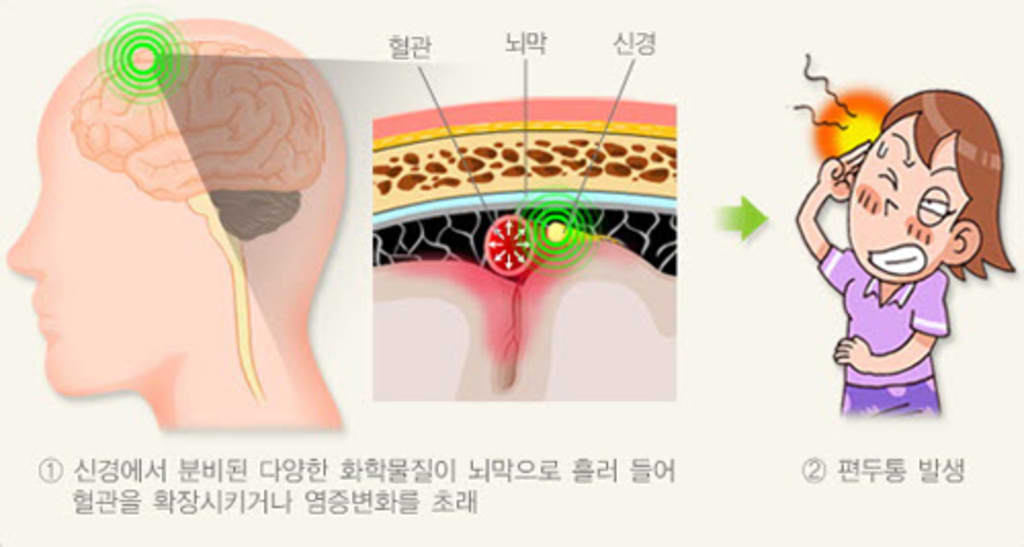
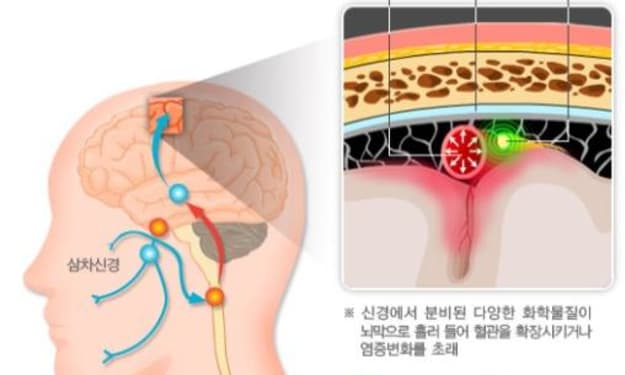
Circulatory problems are also an important cause of chronic headaches. Poor blood circulation can interfere with the supply of oxygen to the skull and increase muscle tension, which can worsen headaches.
Considering these complex causes, massage therapy is gaining attention as a very effective alternative treatment method. Massage provides various therapeutic effects, such as muscle relaxation, improved blood circulation, and stress reduction. In particular, professional massage techniques such as craniosacral therapy and trigger point massage have the potential to directly address the root cause of chronic headaches.
The main benefit of massage therapy goes beyond simple pain relief to promoting overall relaxation and natural healing of the body. By relieving muscle tension, reducing stress hormones, and promoting endorphin secretion, it can provide a comprehensive approach to chronic headache management.
Effects of Massage Therapy on Chronic Headaches
Massage therapy provides a multidimensional and comprehensive treatment approach to chronic headache management. Its core effects can be summarized as follows:
First, muscle relaxation and tension relief are the most direct effects of massage therapy. It effectively relieves persistent tension in the muscles around the neck, shoulders, and skull, which are the main causes of chronic headaches. Gentle massage techniques can significantly reduce headache symptoms by releasing muscle fiber stiffness and relieving accumulated stress in the muscles.
Second, improving blood circulation is another important therapeutic effect of massage therapy. Massage increases oxygen supply to the skull by dilating blood vessels and promoting blood flow. Improved blood circulation can fundamentally block the headache-causing mechanism by increasing nutrient supply to muscle tissue and promoting the removal of inflammatory substances.
Third, stress reduction and psychological relaxation effects are crucial for chronic headache management. Massage lowers stress hormone levels such as cortisol and activates the parasympathetic nerves of the autonomic nervous system, inducing overall relaxation of the mind and body. This psychological relaxation can directly reduce the frequency and intensity of headache occurrence.
Fourth, increased secretion of endorphins provides a natural analgesic effect. Endorphins secreted during massage act as the body's natural analgesic, reducing pain perception and inducing positive emotional states.
Finally, reduction of cranial pressure can be achieved through specialized massage techniques, especially craniosacral therapy. It contributes to headache relief by relieving tension in the fascia around the skull and improving the circulation of cerebrospinal fluid.
Effective massage techniques and application methods
Effective massage techniques for chronic headache management can be applied in various ways depending on the individual's symptoms and condition. Here are the main massage techniques and how to apply them:
1. Craniosacral Therapy
Craniosacral Therapy is a delicate massage technique that restores the balance of the nervous system by regulating the subtle movements of the skull and spine. A professional therapist uses light touch and pressure to relieve tension in the fascia around the skull and improve the circulation of cerebrospinal fluid. It is usually performed in 30-60 minute sessions, and is recommended to be performed once or twice a week.
2. Trigger Point Massage
This technique relieves muscle tension by directly stimulating pain trigger points around the neck, shoulders, and head. The therapist identifies specific pressure points and applies continuous pressure to relieve muscle stiffness. For self-massage, you can massage the trigger points yourself using a tennis ball or massage tool.
3. Neck and Shoulder Massage
This massage relieves tension in the neck and shoulder muscles, which are the main causes of chronic headaches. It relieves muscle stiffness through gentle circular movements and deep tissue massage. It is effective to perform 10-15 minutes a day, 3-4 times a week.
3. Reflexology
This is a technique that improves the flow of energy throughout the body by stimulating specific reflex zones on the feet and hands. Focus on massaging the reflex zones of the skull, neck, and shoulders associated with headaches. It is recommended to perform once a week, 45-60 minutes per session under the guidance of a specialist.
The following are precautions when applying massage:
-. Select an appropriate technique according to the individual's health condition and the cause of the headache
-. Consult a medical professional if you have a severe headache or underlying disease
-. Excessive pressure or inappropriate techniques can actually worsen symptoms
-. Continuous and regular massage is important
Lastly, massage cannot completely replace drug treatment, and should be considered as part of an integrated treatment approach.
The value and prospects of massage therapy
Chronic headache is a complex health problem that lowers the quality of life of modern people, and requires a fundamental healing approach beyond simple symptom management. Massage therapy is emerging as an innovative and eco-friendly alternative for the management of chronic headaches.
The value of massage therapy goes beyond simply providing temporary pain relief to activating the body’s holistic healing mechanism. Its multidimensional therapeutic effects, including muscle relaxation, improved blood circulation, stress reduction, and increased endorphin secretion, show the potential to directly approach the root cause of chronic headaches.
However, massage therapy is not a panacea, and an integrated approach with existing medical treatments is important. A customized treatment strategy that comprehensively considers the individual’s health status, headache characteristics, and lifestyle patterns is necessary. Future research is required to verify the scientific effectiveness of various massage techniques, develop optimal protocols for each individual, and conduct in-depth research on long-term treatment effects.
In conclusion, massage therapy has great potential as an innovative alternative for the management of chronic headaches. An integrated and personalized approach that considers the individual’s physical and psychological characteristics will lead to better treatment results and improved quality of life.
About the Creator
Mr. choi
I think you can enjoy sports more if you have basic knowledge about sports. I want to create opportunities to learn little by little. I want to provide information such as sports broadcasts and sports news.
Day 4 of Quitting
If this is how sobriety feels, maybe it’s better to go through life a little buzzed… this, along with other hits like, I want to kill myself, I wish I was dead, and I’m going to throw myself off a bridge have been the only thoughts on rotation these past few days. I promise myself that if, in a month, I still feel like this (‘this’ meaning despondent, full of rage, and simultaneously numb) I can go back to smoking. Until mid-February though? Nicotine is off the table.
By sleepy drafts11 days ago in Longevity
Welcome to the world of Amway™ products! We have more than 350 nutrition, beauty, personal care and home care products to meet your healthy living needs.
Feel Young Again with Amway Wellness Hi, I'm Leavie Scott and I'm 50 years old. For years I searched for something that could help me feel energized, focused, and truly alive. Since discovering Amway's wellness products, I feel like I've tapped into the fountain of youth. These products have transformed my daily routine, giving me lasting energy, mental clarity, and a renewed sense of vitality. I wake up feeling refreshed and ready to take on the day. It's not just about feeling young, it's about living fully. http://bit.ly/3KOtPnn
By Organic Products 5 days ago in Longevity


Comments
There are no comments for this story
Be the first to respond and start the conversation.