
Botanical and health Aspects of Malus domestica (Apple)
A comprehensive look into the botanical traits, nutritional composition, and health benefits of the widely consumed fruit, apple.
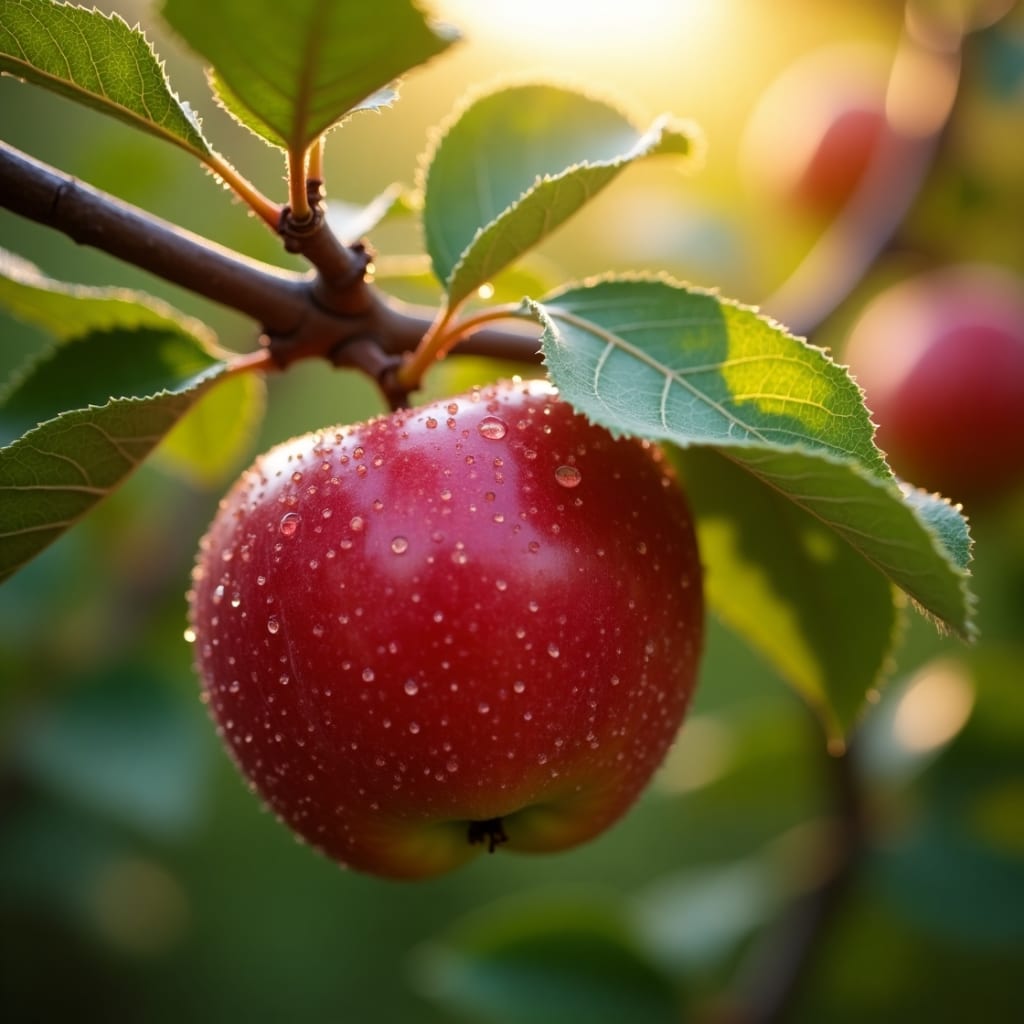
The apple (*Malus domestica*) is one of the most widely cultivated and consumed fruits in the world. Native to Central Asia, particularly the region around modern-day Kazakhstan, apples have spread globally due to their appealing flavor, versatility, and numerous health benefits. This article explores the botanical characteristics of the apple tree, its nutritional makeup, and the scientifically backed health benefits it offers.
Botanical Characteristics
*Malus domestica* belongs to the Rosaceae family, which also includes pears, cherries, and roses. It is a deciduous tree, typically growing 2 to 4.5 meters in height, although some can reach up to 12 meters in favorable conditions. The apple tree blooms in spring, producing fragrant white to pink flowers. These flowers are hermaphroditic and require cross-pollination, usually facilitated by bees.
The fruit develops over the summer and is ready for harvest in late summer or autumn, depending on the variety. Apples vary in size, color (red, green, yellow), and taste (sweet to tart). They are pome fruits, meaning they have a central core containing seeds, surrounded by edible flesh.
There are over 7,500 known apple cultivars, each with unique characteristics. Cultivation practices, climate, and soil all influence the quality and yield of apple crops. Apples are generally propagated through grafting to maintain the genetic identity of specific cultivars.
Nutritional Composition
Apples are low in calories but rich in essential nutrients and phytochemicals. A medium-sized apple (about 200 grams) contains:
- *Calories:* ~95
- *Carbohydrates:* 25 grams
- *Fiber:* 4 grams (mostly soluble fiber, such as pectin)
- *Vitamin C:* 14% of the Daily Value (DV)
- *Potassium:* 6% of the DV
- *Vitamin K, B-complex vitamins* (in smaller amounts)
The skin of the apple contains most of its fiber and antioxidants, such as quercetin and catechin. Apples also contain small amounts of magnesium, copper, and polyphenols, which act as natural antioxidants.
Health Benefits
1. *Digestive Health*
The high fiber content in apples, particularly pectin, supports digestive health by promoting the growth of beneficial gut bacteria. This can help regulate bowel movements and improve nutrient absorption.
2. *Heart Health*
Apples are known to lower the risk of cardiovascular diseases. Soluble fiber helps reduce LDL (bad) cholesterol, while polyphenols like flavonoids help lower blood pressure and inflammation.
3. *Blood Sugar Regulation*
Despite their sweetness, apples have a low glycemic index. The fiber slows down sugar absorption, making them a good fruit choice for people with diabetes or those looking to prevent blood sugar spikes.
4. *Weight Management*
Due to their water and fiber content, apples are filling and can reduce overall calorie intake when eaten as a snack, aiding in weight loss or maintenance.
5. *Cancer Prevention*
Several studies have suggested that the antioxidants in apples may help reduce the risk of certain types of cancer, including colorectal, breast, and lung cancers. This is likely due to their ability to neutralize harmful free radicals and reduce inflammation.
6. *Brain Health*
[7/8, 14:46] ChatGPT: Quercetin, a flavonoid found in apple skins, may help protect brain cells from oxidative stress and inflammation, possibly lowering the risk of neurodegenerative disorders such as Alzheimer's disease.
Conclusion
*Malus domestica* is much more than a sweet, crunchy fruit. Botanically, it is a fascinating member of the Rosaceae family with a rich diversity of cultivars. Nutritionally, apples offer an impressive profile packed with fiber, vitamins, and antioxidants. Scientifically, they have been linked to numerous health benefits—from promoting heart and gut health to potentially reducing cancer risk. The phrase “an apple a day keeps the doctor away” may not be an exaggeration after all.
Whether eaten fresh, baked, juiced, or added to salads and cereals, apples are a natural gift that combine taste, nutrition, and health in one wholesome package.
About the Creator
Mansoor ahmad
•Simple & Professional:
Hi, I'm Mansoor Ahmad — a passionate writer who believes in the power of words to inspire, heal, and connect. I write stories that speak from the heart.
• Creative & Engaging:
Storyteller by passion, learner by nature.
Keep reading
More stories from Mansoor ahmad and writers in Longevity and other communities.
Day 4 of Quitting
If this is how sobriety feels, maybe it’s better to go through life a little buzzed… this, along with other hits like, I want to kill myself, I wish I was dead, and I’m going to throw myself off a bridge have been the only thoughts on rotation these past few days. I promise myself that if, in a month, I still feel like this (‘this’ meaning despondent, full of rage, and simultaneously numb) I can go back to smoking. Until mid-February though? Nicotine is off the table.
By sleepy drafts11 days ago in Longevity
Guide to Walking for Weight Loss
There is almost nothing negative to say about walking—it’s relaxing, it’s good for your body, and it doesn’t require any special skills. For most people, walking never becomes competitive or stressful. A couple of daily short strolls can do wonders for your mood and your health.
By Good health to everyoneabout 11 hours ago in Longevity
So You Decided To Become a Nurse Practitioner:
So you decided to become an "Advanced Practice" nurse. Congratulations!... is what I would say if this was a good idea. Grad school? In this economy? What were you thinking? Likely it was something along the lines of either 1) “I've seen these other chucklefucks do it— Why can't I?” or even 2) “I've got a nice career, I should shake it up. I miss feeling like I have no clue what I'm doing.”
By Sandor Szabo2 days ago in Fiction


Comments
There are no comments for this story
Be the first to respond and start the conversation.