
Book Review: How Not to Die - Discover the Foods Scientifically Proven to Prevent and Reverse Disease
A quick review with a chapter by chapter overview

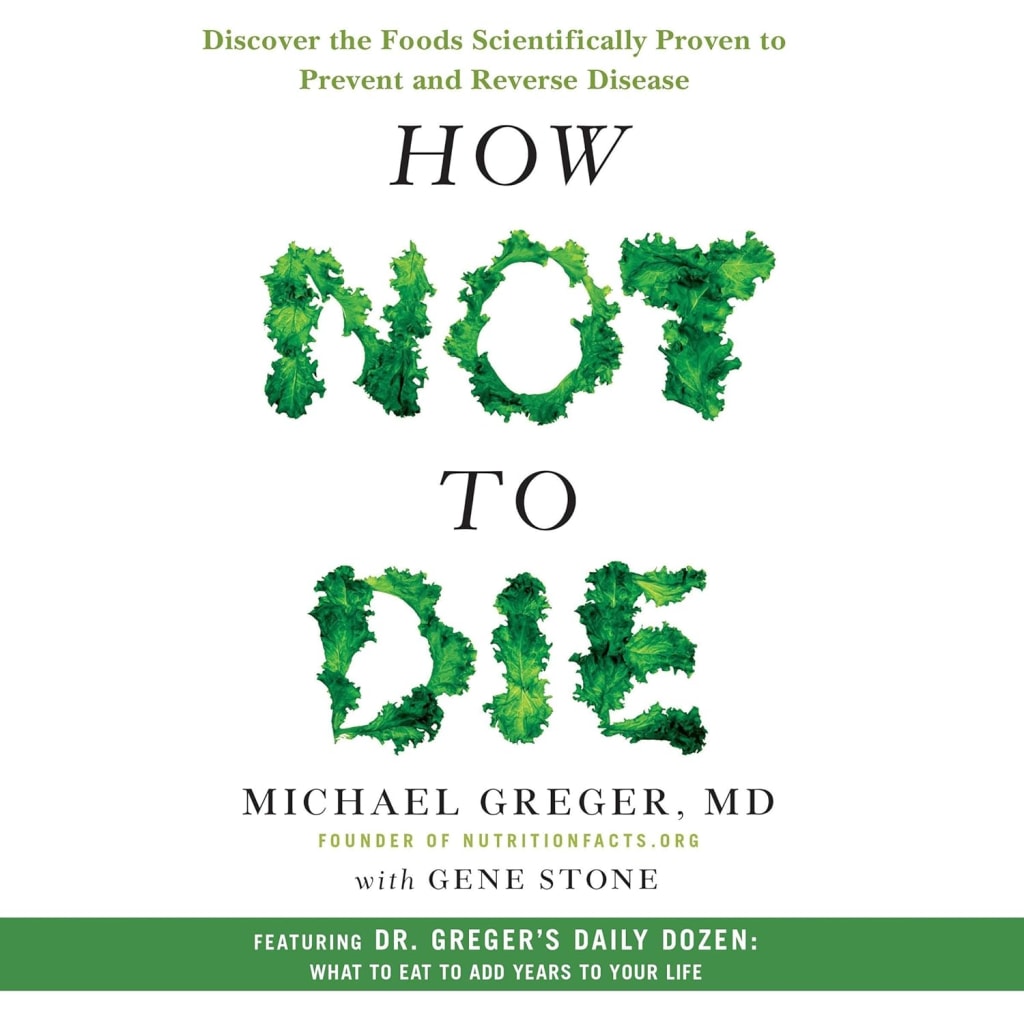
How Not to Die: Discover the Foods Scientifically Proven to Prevent and Reverse Disease by Dr. Michael Greger is a transformative book on health and nutrition that empowers readers to take control of their well-being through informed dietary choices. The book, supported by a wealth of scientific research, highlights the relationship between food and the prevention, treatment, and reversal of many of the leading causes of premature death, such as heart disease, cancer, and diabetes. Greger’s approach is practical, evidence-based, and driven by a passion for preventing the illnesses that plague modern society. The book is divided into two main sections: the first focuses on how to prevent the top 15 causes of death, and the second introduces the “Daily Dozen,” a set of guidelines for achieving optimal nutrition.
Introduction
The introduction provides the foundational philosophy behind How Not to Die. Dr. Greger shares his personal story, recounting how his grandmother’s recovery from severe heart disease through diet and lifestyle changes inspired his career. He then describes his mission to make lifesaving nutrition information accessible to the public. Greger emphasizes that many of the leading causes of death can be prevented through diet, and he criticizes the pharmaceutical industry for prioritizing treatment over prevention. The introduction sets the tone for the book, highlighting its focus on whole foods, plant-based nutrition as a means to achieve long-lasting health.
Chapter 1: How Not to Die from Heart Disease
In this chapter, Greger discusses how heart disease, the leading cause of death globally, can be prevented and even reversed through diet. He presents research showing how a plant-based diet can lower cholesterol and reduce plaque buildup in arteries. He emphasizes the dangers of saturated fats, found mainly in animal products, and advocates for a diet rich in fruits, vegetables, whole grains, and legumes. Greger also highlights studies on specific foods that benefit heart health, such as leafy greens, berries, and nuts.

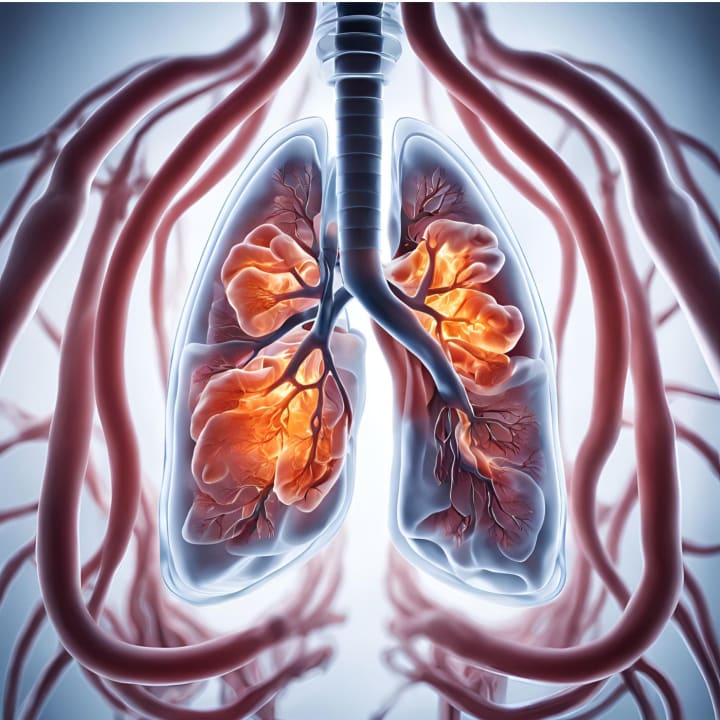
Chapter 2: How Not to Die from Lung Diseases
Lung diseases, including chronic obstructive pulmonary disease (COPD) and lung cancer, are often caused by smoking, but diet can also play a significant role in prevention. In this chapter, Greger examines how certain foods can help protect lung health. He discusses the importance of antioxidant-rich foods, such as cruciferous vegetables, which can reduce inflammation and improve lung function. Greger also warns against processed meats, which have been linked to an increased risk of lung disease.
Chapter 3: How Not to Die from Brain Diseases
Alzheimer’s disease and other forms of dementia are major concerns as the global population ages. This chapter explores how diet can help protect the brain from cognitive decline. Greger discusses the role of plant-based foods rich in antioxidants and anti-inflammatory compounds in promoting brain health. He points out that foods like berries, nuts, and leafy greens have been shown to improve memory and cognitive function. Greger also explains the dangers of saturated fats and refined carbohydrates, which have been linked to an increased risk of Alzheimer’s.

Chapter 4: How Not to Die from Digestive Cancers
This chapter delves into the link between diet and cancers of the digestive system, such as colon cancer. Greger highlights the importance of fiber-rich foods, such as beans, fruits, and vegetables, in reducing cancer risk. He explains that fiber helps to flush out carcinogens from the digestive tract and supports a healthy gut microbiome. Greger also discusses the dangers of processed meats and red meats, which have been classified as carcinogens by the World Health Organization.

Chapter 5: How Not to Die from Infections
Infections are responsible for many deaths worldwide, but a strong immune system can help prevent them. In this chapter, Greger examines how nutrition can bolster the body’s defenses against infections. He discusses the role of antioxidants and anti-inflammatory foods, such as garlic, ginger, and turmeric, in supporting immune function. Greger also highlights the importance of maintaining a healthy gut, as the microbiome plays a crucial role in immunity. He warns against the overuse of antibiotics, which can disrupt the balance of the gut microbiome and weaken the immune system.

Chapter 6: How Not to Die from Diabetes
Type 2 diabetes is a preventable disease that has reached epidemic proportions. In this chapter, Greger explains how a plant-based diet can prevent and even reverse type 2 diabetes. He presents research showing how foods rich in fiber, such as beans, whole grains, and vegetables, help to regulate blood sugar levels and improve insulin sensitivity. Greger also discusses the dangers of refined carbohydrates, sugary drinks, and processed foods, which contribute to insulin resistance and obesity.

Chapter 7: How Not to Die from High Blood Pressure
Hypertension, or high blood pressure, is a major risk factor for heart disease and stroke. Greger explains how diet can play a significant role in lowering blood pressure. He emphasizes the importance of potassium-rich foods, such as bananas, sweet potatoes, and leafy greens, in balancing sodium levels and reducing blood pressure. Greger also highlights the benefits of nitrate-rich vegetables, such as beets and spinach, which help to dilate blood vessels and improve circulation. He warns against excessive salt intake, which is linked to hypertension.

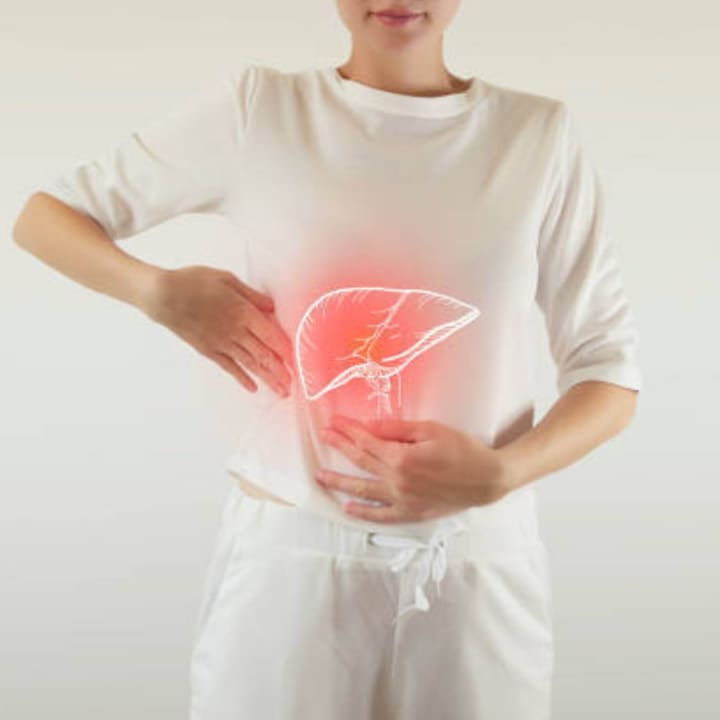
Chapter 8: How Not to Die from Liver Diseases
Liver diseases, including cirrhosis and liver cancer, are often linked to alcohol consumption and poor diet. In this chapter, Greger explores how nutrition can support liver health. He discusses the role of antioxidant-rich foods, such as berries and green tea, in reducing liver inflammation and preventing damage. Greger also highlights the dangers of excessive alcohol consumption and processed foods, which contribute to fatty liver disease.
Chapter 9: How Not to Die from Blood Cancers
Leukemia, lymphoma, and other blood cancers can be influenced by diet. In this chapter, Greger discusses how plant-based diets can reduce the risk of developing these cancers. He highlights the role of phytochemicals, found in colorful fruits and vegetables, in protecting cells from oxidative stress and DNA damage. Greger also explains the importance of maintaining a healthy immune system, as a strong immune response can help prevent the growth and spread of cancer cells.
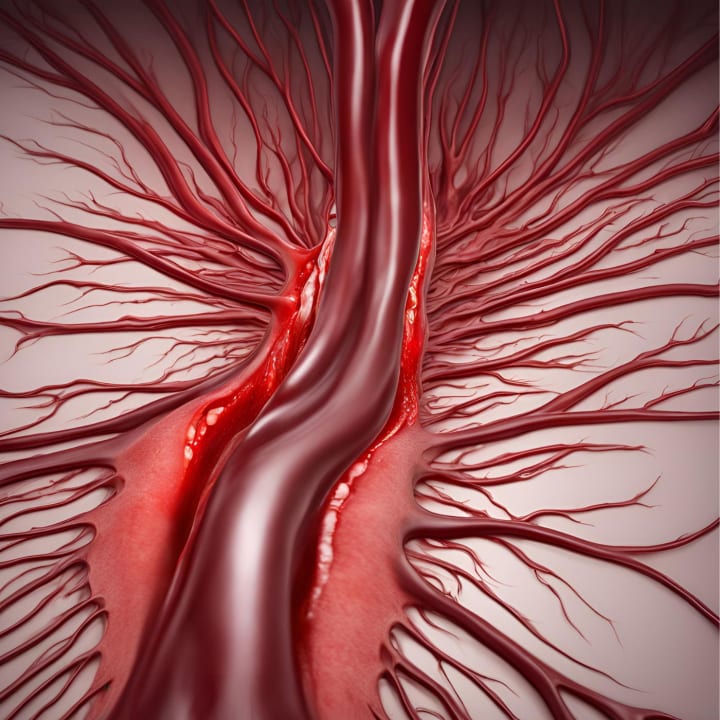
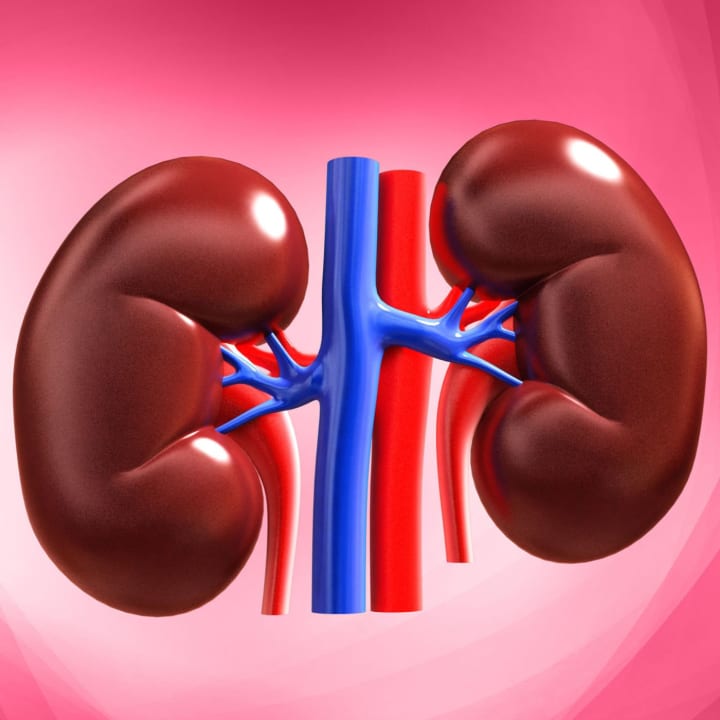
Chapter 10: How Not to Die from Kidney Disease
Kidney disease is often linked to high blood pressure and diabetes, both of which can be managed through diet. In this chapter, Greger explains how a plant-based diet can help protect kidney function. He emphasizes the importance of reducing sodium intake and increasing the consumption of potassium-rich foods. Greger also discusses the dangers of excessive protein intake, particularly from animal sources, which can strain the kidneys and lead to kidney damage over time.
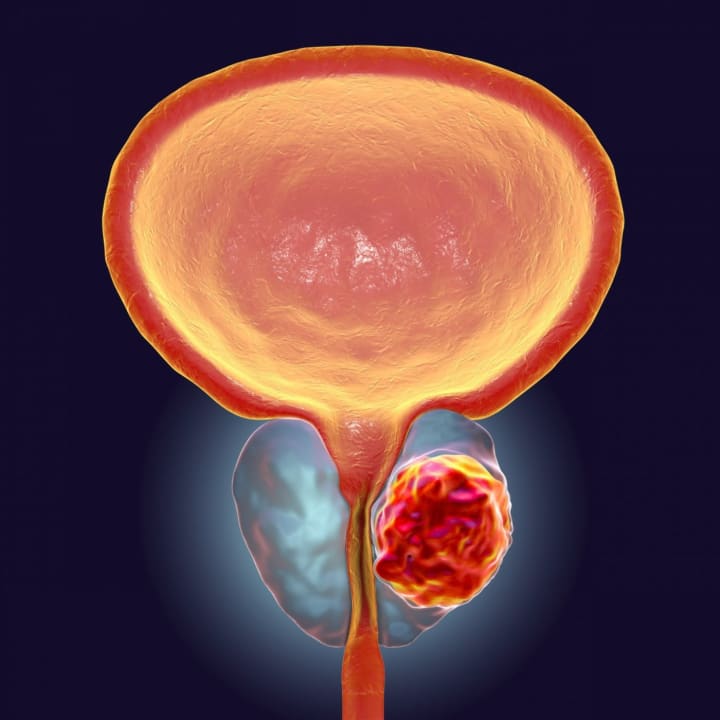
Chapter 11: How Not to Die from Prostate Cancer
Prostate cancer is one of the most common cancers in men, and diet plays a significant role in its prevention. Greger explains how plant-based diets, rich in vegetables like tomatoes and cruciferous vegetables, can reduce the risk of prostate cancer. He discusses the role of lycopene, a powerful antioxidant found in tomatoes, in protecting prostate cells from damage. Greger also warns against the consumption of dairy products, which have been linked to an increased risk of prostate cancer.
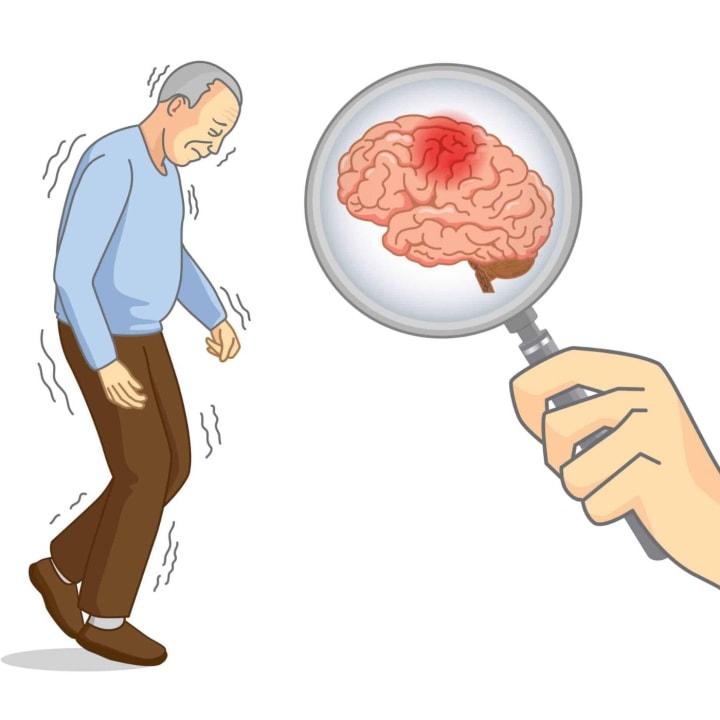
Chapter 12: How Not to Die from Parkinson’s Disease
Parkinson’s disease, a neurodegenerative disorder, can be influenced by diet and lifestyle factors. In this chapter, Greger discusses how certain foods can help protect brain health and reduce the risk of Parkinson’s. He highlights the benefits of plant-based diets, rich in antioxidants and anti-inflammatory compounds, in reducing oxidative stress and inflammation in the brain. Greger also discusses the dangers of pesticides and other environmental toxins, which have been linked to an increased risk of Parkinson’s disease.
Chapter 13: How Not to Die from Iatrogenic Causes
Iatrogenic causes, or deaths caused by medical treatment, are a significant issue in modern healthcare. In this chapter, Greger discusses how patients can take control of their health to avoid unnecessary medical interventions. He emphasizes the importance of preventive care through diet and lifestyle changes, reducing the need for medications and surgeries. Greger also critiques the pharmaceutical industry, which often prioritizes profit over patient well-being, and advocates for a more holistic approach to healthcare.

Part Two: The Daily Dozen
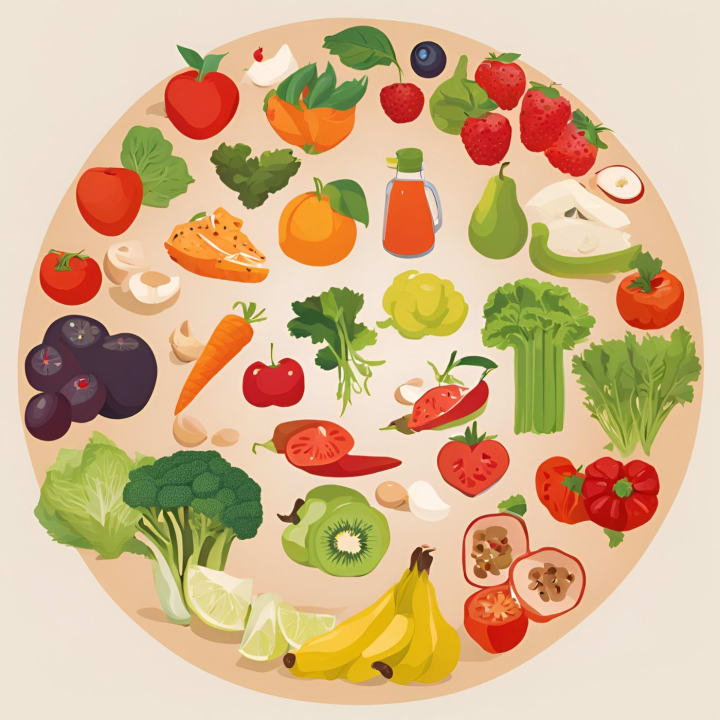
The second part of the book introduces the “Daily Dozen,” a list of foods and activities that Greger recommends incorporating into daily life for optimal health. The list includes beans, berries, cruciferous vegetables, greens, flaxseeds, nuts, spices, whole grains, beverages, exercise, and a variety of fruits and vegetables. Greger provides practical tips on how to incorporate these foods into meals and emphasizes the importance of consistency in maintaining a healthy diet.
Conclusion
How Not to Die is a powerful call to action for anyone looking to take control of their health through informed dietary choices. Dr. Michael Greger’s evidence-based approach provides readers with the knowledge and tools to prevent and reverse many of the leading causes of death. By focusing on whole, plant-based foods, and minimizing processed and animal-based products, individuals can significantly reduce their risk of chronic diseases and lead longer, healthier lives. The book is both a comprehensive guide to the science of nutrition and a practical manual for everyday living. Through the “Daily Dozen” and other practical strategies, Greger equips readers to make lasting changes for their health.
**Affiliate Disclosure** This article contains affiliate links, meaning that we will receive a small commission at no cost to you as part of our partnership with Audible when you sign up for a free trial to obtain this book.
About the Creator
Paul White
Just a guy trying to express himself and improve the lives of himself and his young son! Check out my YouTube channel here: https://www.youtube.com/@EpicFootprints
Keep reading
More stories from writers in Longevity and other communities.
Day 4 of Quitting
If this is how sobriety feels, maybe it’s better to go through life a little buzzed… this, along with other hits like, I want to kill myself, I wish I was dead, and I’m going to throw myself off a bridge have been the only thoughts on rotation these past few days. I promise myself that if, in a month, I still feel like this (‘this’ meaning despondent, full of rage, and simultaneously numb) I can go back to smoking. Until mid-February though? Nicotine is off the table.
By sleepy draftsabout a month ago in Longevity


Comments
There are no comments for this story
Be the first to respond and start the conversation.