
Blueberries vs. Grapes: Which Fruit Is Better for Heart Health?
A closer look at how two popular fruits support cardiovascular health

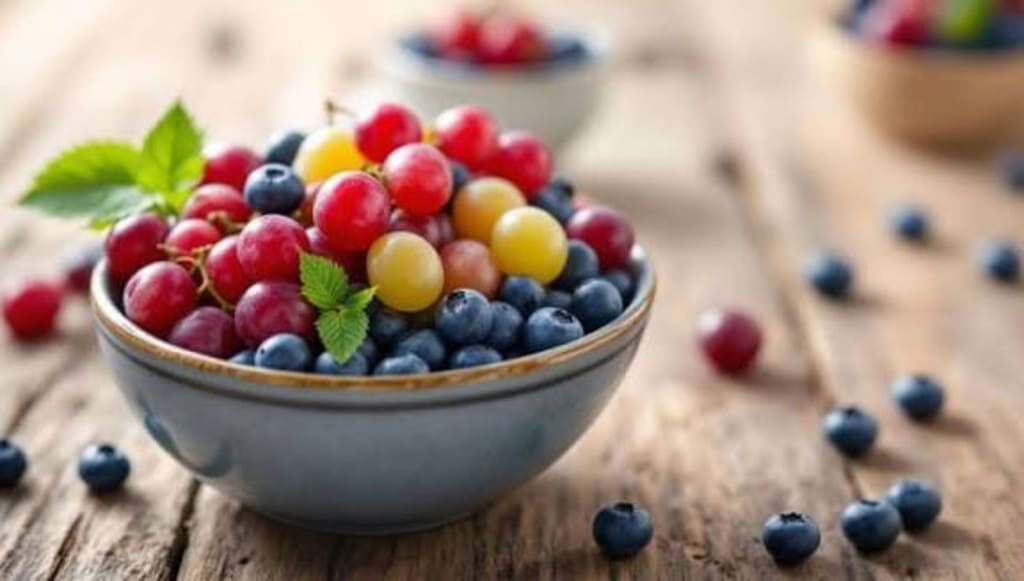
Both fruits support the heart, but they do it in different ways
When it comes to heart health, fruit often tops the list of doctor-recommended foods. Among the many options, blueberries and grapes stand out for their powerful nutrients and long list of benefits. Both are rich in antioxidants, easy to add to meals, and supported by scientific research. But if you had to choose one, which fruit offers more protection for your heart?
The answer is not as simple as picking a winner. Blueberries and grapes help the heart in different ways, and understanding those differences can help you make smarter dietary choices.
Why Fruit Matters for Heart Health
Heart disease remains one of the leading causes of death worldwide. Diet plays a major role in reducing risk factors such as:
High blood pressure
High cholesterol
Inflammation
Poor blood vessel function
Fruits provide vitamins, fiber, and plant compounds that protect the cardiovascular system. Blueberries and grapes are especially valued because they contain polyphenols, natural compounds that help reduce damage to blood vessels and improve circulation.
Blueberries: Small Fruit, Big Benefits
Blueberries are often called a superfood, and for good reason. They are packed with antioxidants known as anthocyanins, which give blueberries their deep blue color.
How Blueberries Support the Heart
Research suggests that regular blueberry consumption may:
Improve blood vessel flexibility
Lower blood pressure
Reduce inflammation
Improve cholesterol balance
Anthocyanins help protect arteries by reducing oxidative stress. This means less damage to the lining of blood vessels, which lowers the risk of plaque buildup.
Blueberries are also low in calories and sugar, making them a heart-friendly choice for people watching their weight or blood sugar levels.
Fiber and Blood Sugar Control
One cup of blueberries contains a good amount of dietary fiber, which plays a key role in heart health. Fiber helps:
Lower “bad” LDL cholesterol
Slow sugar absorption
Support healthy digestion
Stable blood sugar levels reduce stress on the cardiovascular system, especially for people with diabetes or insulin resistance.
Grapes: A Heart-Healthy Classic
Grapes, especially red and purple varieties, have long been linked to heart health. They contain powerful antioxidants such as resveratrol, flavonoids, and quercetin.
How Grapes Protect the Heart
Studies suggest that grapes may:
Improve blood flow
Reduce inflammation
Lower blood pressure
Prevent blood clots
Resveratrol, found mainly in grape skins, has been studied for its potential role in protecting arteries and supporting healthy aging of blood vessels.
Grapes also contain potassium, which helps balance sodium levels and supports healthy blood pressure.
The Role of Resveratrol
Resveratrol is often highlighted as the key heart-protective compound in grapes. It may help:
Reduce artery stiffness
Improve nitric oxide production, which relaxes blood vessels
Protect against oxidative damage
While resveratrol supplements exist, experts agree that whole grapes offer more benefits due to the combined effect of fiber and multiple antioxidants working together.
Comparing Nutritional Profiles
Both fruits are healthy, but they differ slightly in nutrition:
Blueberries
Lower sugar content
High in anthocyanins
Rich in vitamin C and vitamin K
Strong anti-inflammatory effects
Grapes
Higher natural sugar
Contain resveratrol and flavonoids
Provide hydration due to high water content
Support circulation and blood flow
For people managing blood sugar, blueberries may be the safer option. For those focused on circulation and vascular function, grapes offer unique benefits.
What About Cholesterol?
Both fruits can help improve cholesterol levels, but through different mechanisms.
Blueberries help reduce LDL cholesterol by improving how the body processes fats and reducing inflammation. Grapes may prevent LDL cholesterol from oxidizing, which is a major factor in artery damage.
In short, blueberries reduce the problem, while grapes help prevent it from getting worse.
How Much Should You Eat?
Moderation is key. A healthy serving includes:
About one cup of blueberries, fresh or frozen
About one cup of grapes, preferably with skins intact
Eating a variety of fruits throughout the week ensures you get a wider range of protective nutrients.
Fresh, Frozen, or Dried?
Fresh blueberries and grapes offer the most benefits. Frozen blueberries are also an excellent choice, as they retain most nutrients.
Dried grapes (raisins) are nutritious but higher in sugar and calories, so portion control is important. Raisins still provide heart-friendly compounds but should be eaten sparingly.
Which One Is Better for Heart Health?
There is no clear winner. Both blueberries and grapes are excellent for heart health, but they shine in different areas.
Choose blueberries if you want lower sugar, strong antioxidant protection, and help with blood pressure.
Choose grapes if you want improved circulation, vessel protection, and powerful polyphenols like resveratrol.
For the best results, include both fruits in your diet.
Final Thoughts
When it comes to heart health, consistency matters more than perfection. Blueberries and grapes both offer powerful protection, and neither should be excluded.
Rather than choosing one over the other, rotating both fruits into your meals can provide broader cardiovascular support. Combined with regular exercise, balanced nutrition, and healthy lifestyle habits, these fruits can play a meaningful role in keeping your heart strong.
About the Creator
Fiaz Ahmed
I am Fiaz Ahmed. I am a passionate writer. I love covering trending topics and breaking news. With a sharp eye for what’s happening around the world, and crafts timely and engaging stories that keep readers informed and updated.
Keep reading
More stories from Fiaz Ahmed and writers in Longevity and other communities.
Future of BATUS Training Use Tied to Defence Investment Plan
UK military’s premier training area set to evolve with new investment The British Army Training Unit Suffield (BATUS) in Canada has long been a cornerstone of the UK’s military readiness. As the British Ministry of Defence announces new defence investment plans, the future of BATUS and its use for training exercises is increasingly linked to funding decisions, strategic priorities, and technological upgrades. BATUS, located in Alberta, Canada, provides the British Army with vast open spaces, live-fire ranges, and realistic terrain that cannot be replicated in the UK. The facility has supported decades of training for armoured units, infantry, and joint-force operations. Why BATUS Remains Important BATUS is unique for several reasons: Space for Large-Scale Exercises – The unit covers over 2,700 square kilometers, allowing tank manoeuvres, live-fire drills, and combined arms exercises. Realistic Combat Conditions – Soldiers train in environments that simulate complex battlefield conditions, including mixed terrain, obstacles, and simulated enemy forces. International Collaboration – BATUS supports exercises with allied forces, providing opportunities for joint training and interoperability. For the UK Army, these advantages make BATUS a vital asset in preparing troops for both conventional warfare and modern operations. Link to Defence Investment Plans Recent announcements by the Ministry of Defence outline a multi-billion-pound defence investment strategy, aimed at modernising the armed forces, upgrading equipment, and enhancing operational readiness. The strategy emphasizes: Modern armoured vehicles and technology integration Improved training infrastructure Sustainable operations and cost efficiency The future use of BATUS is directly tied to these investments. Upgrades at the facility could include advanced simulation systems, better live-fire ranges, and digital monitoring tools. Such improvements would allow troops to train more effectively, using technology that mirrors real-world combat scenarios. Armoured Units and Large-Scale Exercises BATUS has historically been used by the British Army’s armoured regiments, including Challenger tanks and mechanized infantry. Large-scale exercises, sometimes involving hundreds of vehicles and thousands of troops, prepare units for deployment in Europe or other conflict zones. With new defence investments, BATUS may see: Enhanced live-fire capabilities for modern weapons systems Integration of drones and unmanned vehicles for reconnaissance and support Expanded training scenarios reflecting contemporary threats, such as hybrid warfare Analysts say that continued investment in BATUS ensures that the UK maintains a credible and ready armoured force capable of responding to NATO commitments and global contingencies. Balancing Cost and Operational Needs While BATUS provides unmatched training benefits, it is expensive to operate. Maintaining facilities abroad, transporting troops and vehicles, and managing live-fire exercises require significant funding. The defence investment plan seeks to balance cost efficiency with operational effectiveness. Investments in modern technology and infrastructure aim to reduce long-term expenses while preserving high-quality training standards. Officials note that decisions on BATUS’ future will consider: Frequency and scale of exercises Integration of cost-saving technologies Alignment with overall defence priorities Environmental and Community Considerations Operating a large training area in Canada comes with environmental responsibilities. BATUS has programs to minimise ecological impact, including careful management of live-fire areas, wildlife protection, and land rehabilitation. The facility also interacts with local Canadian communities, supporting employment opportunities and fostering positive relationships with landowners and authorities. As investment plans progress, environmental and community factors will remain a key consideration in shaping the long-term strategy for BATUS use. The Role of Technology in Future Training Modern warfare demands integration of advanced technology in training. BATUS is exploring ways to incorporate: Virtual and augmented reality for scenario-based learning Digital battlefield monitoring to evaluate troop performance Data analytics to optimize training outcomes These upgrades are expected to enhance realism, safety, and efficiency, ensuring that soldiers are prepared for both conventional and hybrid combat environments. Strategic Implications BATUS’ continued use reflects the UK’s commitment to: Maintaining a capable and ready military Meeting NATO obligations Preparing forces for complex global threats By linking the training facility to a comprehensive defence investment plan, the UK ensures that its forces are not only well-trained but also equipped with the latest technology, operational doctrine, and logistical support. Looking Ahead The future of BATUS will likely involve a combination of traditional large-scale exercises and modern technological integration. Defence planners emphasize that continued investment is essential to maintain the facility as a world-class training environment. For the British Army, BATUS remains a cornerstone of readiness, preparing troops for a range of scenarios, from high-intensity combat to multinational operations. Conclusion BATUS has long been a symbol of UK military preparedness, offering unmatched training space and operational realism. With the defence investment plan guiding future funding and upgrades, the facility is poised to remain a critical asset for armoured units and modern training exercises. By balancing cost, technology, environmental responsibility, and operational needs, the UK ensures that BATUS continues to produce capable, ready, and adaptable forces—a cornerstone of national and allied security for decades to come.
By Fiaz Ahmed a day ago in Longevity
Day 4 of Quitting
If this is how sobriety feels, maybe it’s better to go through life a little buzzed… this, along with other hits like, I want to kill myself, I wish I was dead, and I’m going to throw myself off a bridge have been the only thoughts on rotation these past few days. I promise myself that if, in a month, I still feel like this (‘this’ meaning despondent, full of rage, and simultaneously numb) I can go back to smoking. Until mid-February though? Nicotine is off the table.
By sleepy drafts21 days ago in Longevity
📢 Raise Your Voice Thread: 01/22/2026
Our “Raise Your Voice Threads” are hosted most alternating Thursdays at 12PM ET to offer creators more avenues to uncover exceptional stories on Vocal. As we are continuously searching for fresh creators and inspiring stories, this thread provides an opportunity to exchange and discuss the stories that have moved and motivated us on Vocal.
By Raise Your Voice by Vocal6 days ago in Resources




Comments
There are no comments for this story
Be the first to respond and start the conversation.