
Future of BATUS Training Use Tied to Defence Investment Plan
BATUS training future depends on UK defence investment and modernisation plans

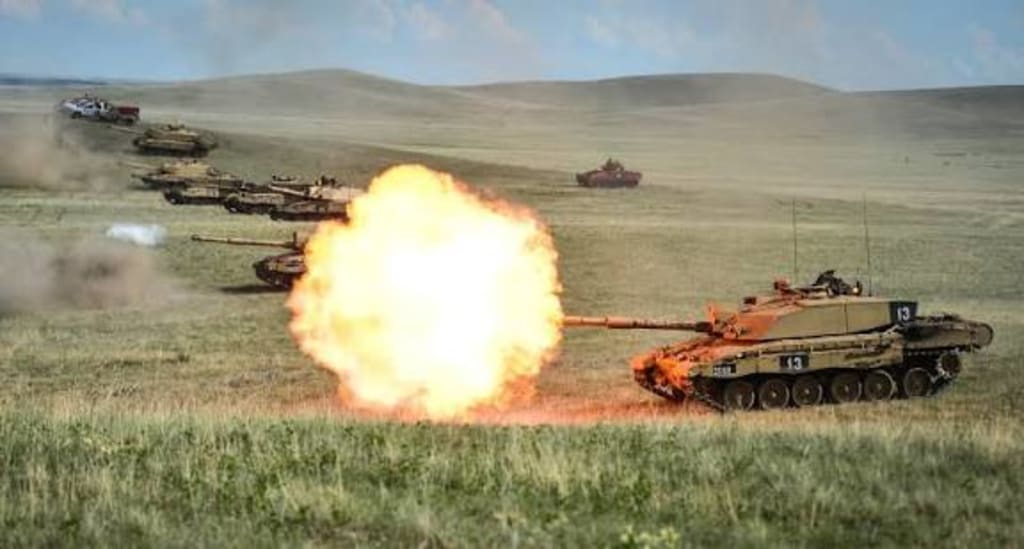
UK military’s premier training area set to evolve with new investment
The British Army Training Unit Suffield (BATUS) in Canada has long been a cornerstone of the UK’s military readiness. As the British Ministry of Defence announces new defence investment plans, the future of BATUS and its use for training exercises is increasingly linked to funding decisions, strategic priorities, and technological upgrades.
BATUS, located in Alberta, Canada, provides the British Army with vast open spaces, live-fire ranges, and realistic terrain that cannot be replicated in the UK. The facility has supported decades of training for armoured units, infantry, and joint-force operations.
Why BATUS Remains Important
BATUS is unique for several reasons:
Space for Large-Scale Exercises – The unit covers over 2,700 square kilometers, allowing tank manoeuvres, live-fire drills, and combined arms exercises.
Realistic Combat Conditions – Soldiers train in environments that simulate complex battlefield conditions, including mixed terrain, obstacles, and simulated enemy forces.
International Collaboration – BATUS supports exercises with allied forces, providing opportunities for joint training and interoperability.
For the UK Army, these advantages make BATUS a vital asset in preparing troops for both conventional warfare and modern operations.
Link to Defence Investment Plans
Recent announcements by the Ministry of Defence outline a multi-billion-pound defence investment strategy, aimed at modernising the armed forces, upgrading equipment, and enhancing operational readiness.
The strategy emphasizes:
Modern armoured vehicles and technology integration
Improved training infrastructure
Sustainable operations and cost efficiency
The future use of BATUS is directly tied to these investments. Upgrades at the facility could include advanced simulation systems, better live-fire ranges, and digital monitoring tools. Such improvements would allow troops to train more effectively, using technology that mirrors real-world combat scenarios.
Armoured Units and Large-Scale Exercises
BATUS has historically been used by the British Army’s armoured regiments, including Challenger tanks and mechanized infantry. Large-scale exercises, sometimes involving hundreds of vehicles and thousands of troops, prepare units for deployment in Europe or other conflict zones.
With new defence investments, BATUS may see:
Enhanced live-fire capabilities for modern weapons systems
Integration of drones and unmanned vehicles for reconnaissance and support
Expanded training scenarios reflecting contemporary threats, such as hybrid warfare
Analysts say that continued investment in BATUS ensures that the UK maintains a credible and ready armoured force capable of responding to NATO commitments and global contingencies.
Balancing Cost and Operational Needs
While BATUS provides unmatched training benefits, it is expensive to operate. Maintaining facilities abroad, transporting troops and vehicles, and managing live-fire exercises require significant funding.
The defence investment plan seeks to balance cost efficiency with operational effectiveness. Investments in modern technology and infrastructure aim to reduce long-term expenses while preserving high-quality training standards.
Officials note that decisions on BATUS’ future will consider:
Frequency and scale of exercises
Integration of cost-saving technologies
Alignment with overall defence priorities
Environmental and Community Considerations
Operating a large training area in Canada comes with environmental responsibilities. BATUS has programs to minimise ecological impact, including careful management of live-fire areas, wildlife protection, and land rehabilitation.
The facility also interacts with local Canadian communities, supporting employment opportunities and fostering positive relationships with landowners and authorities.
As investment plans progress, environmental and community factors will remain a key consideration in shaping the long-term strategy for BATUS use.
The Role of Technology in Future Training
Modern warfare demands integration of advanced technology in training. BATUS is exploring ways to incorporate:
Virtual and augmented reality for scenario-based learning
Digital battlefield monitoring to evaluate troop performance
Data analytics to optimize training outcomes
These upgrades are expected to enhance realism, safety, and efficiency, ensuring that soldiers are prepared for both conventional and hybrid combat environments.
Strategic Implications
BATUS’ continued use reflects the UK’s commitment to:
Maintaining a capable and ready military
Meeting NATO obligations
Preparing forces for complex global threats
By linking the training facility to a comprehensive defence investment plan, the UK ensures that its forces are not only well-trained but also equipped with the latest technology, operational doctrine, and logistical support.
Looking Ahead
The future of BATUS will likely involve a combination of traditional large-scale exercises and modern technological integration. Defence planners emphasize that continued investment is essential to maintain the facility as a world-class training environment.
For the British Army, BATUS remains a cornerstone of readiness, preparing troops for a range of scenarios, from high-intensity combat to multinational operations.
Conclusion
BATUS has long been a symbol of UK military preparedness, offering unmatched training space and operational realism. With the defence investment plan guiding future funding and upgrades, the facility is poised to remain a critical asset for armoured units and modern training exercises.
By balancing cost, technology, environmental responsibility, and operational needs, the UK ensures that BATUS continues to produce capable, ready, and adaptable forces—a cornerstone of national and allied security for decades to come.
About the Creator
Fiaz Ahmed
I am Fiaz Ahmed. I am a passionate writer. I love covering trending topics and breaking news. With a sharp eye for what’s happening around the world, and crafts timely and engaging stories that keep readers informed and updated.
Keep reading
More stories from Fiaz Ahmed and writers in Longevity and other communities.
World’s Most Powerful Warship Launches Jets in Caribbean
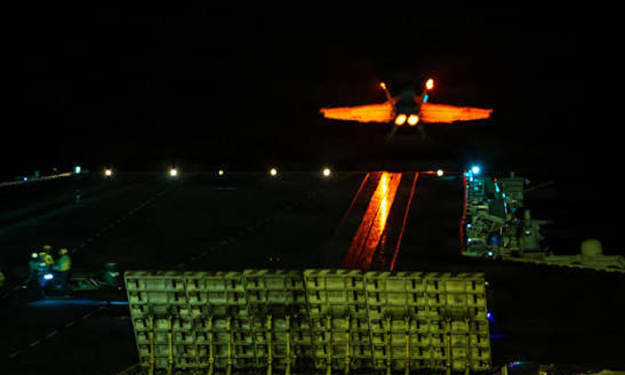
US Navy demonstrates power and readiness in strategic exercises The world’s most powerful warship recently conducted a series of jet launches in the Caribbean, showcasing the United States Navy’s strength, mobility, and operational capability. The exercises are part of routine training, but they also send a clear signal of deterrence, readiness, and commitment to regional security. The aircraft carrier, equipped with advanced technology and a full complement of fighter jets, represents the pinnacle of naval power. Its presence in the Caribbean underscores both military capability and strategic influence in a region vital to international trade and security. Details of the Exercise During the deployment, the carrier conducted multiple operations, including: Launching and recovering fighter jets in simulated combat scenarios Coordinating with support vessels in the carrier strike group Conducting air defense drills and reconnaissance missions These exercises allow pilots and crew to maintain peak operational readiness. They also test the carrier’s ability to coordinate complex flight operations in real-world conditions. Why the Caribbean Matters The Caribbean region is strategically important for several reasons: Shipping and Trade Routes – Vital sea lanes connect the Americas to Europe and Asia. Regional Security – The US and its allies monitor threats ranging from piracy to illegal trafficking. Natural Disaster Response – Naval assets can provide rapid humanitarian assistance after hurricanes and other disasters. By conducting exercises in this area, the US Navy ensures it can respond quickly to crises while maintaining a visible presence. The Carrier’s Capabilities The aircraft carrier involved in the exercises is among the most advanced in the world. Features include: A full air wing of fighter jets, electronic warfare planes, and surveillance aircraft Advanced radar and defense systems capable of tracking multiple threats simultaneously State-of-the-art propulsion and navigation systems, allowing sustained operations far from home ports This combination of capabilities allows the ship to project power, protect allies, and maintain control of strategic waterways. Training and Operational Benefits Carrier-based exercises are not just demonstrations; they are critical training opportunities for personnel. They help crews practice: Emergency procedures during flight operations Coordination with aircraft and escort ships Tactical decision-making under simulated combat conditions Pilots, sailors, and officers gain hands-on experience that prepares them for real-world operations, from defensive missions to humanitarian assistance. International Significance The presence of such a powerful warship in the Caribbean also has international implications. Allies and partners observe these exercises as: A signal of the US commitment to regional stability Proof of interoperability for joint operations with allied nations A demonstration of the capabilities available in crises or conflict scenarios For neighboring countries, it reassures them of support in emergencies, while also deterring potential threats. Technology and Innovation Modern aircraft carriers rely heavily on technology to maintain superiority. During the Caribbean exercises, the carrier demonstrated: Integration of advanced fighter jets capable of rapid launch and recovery Networked communications systems linking ship, air, and support units Enhanced radar and sensor arrays for detecting surface and aerial threats These innovations ensure the ship remains relevant in modern warfare, where speed, precision, and situational awareness are critical. Humanitarian and Strategic Readiness Beyond combat operations, the US Navy uses carriers for humanitarian missions. In the Caribbean, ships like this can deliver emergency supplies, medical aid, and disaster relief personnel. Exercises in this region also help crews practice rapid deployment, ensuring they can adapt to changing conditions—whether responding to a hurricane or a security threat. Global Presence and Deterrence Naval experts note that aircraft carriers serve both operational and symbolic purposes. Their presence in key regions signals: Readiness to respond to crises anywhere in the world Commitment to allies and regional stability Technological and military superiority By operating in the Caribbean, the US Navy demonstrates that it can project power far from domestic shores, a key aspect of modern military strategy. Conclusion The launch of jets from the world’s most powerful warship in the Caribbean illustrates the combined importance of training, readiness, and strategic presence. These exercises not only prepare crews for potential conflicts but also reinforce the US commitment to regional security and rapid response capabilities. As global tensions evolve and maritime security challenges grow, the US Navy’s ability to deploy advanced carriers and conduct complex operations remains a critical element of both defense strategy and international diplomacy.
By Fiaz Ahmed about 21 hours ago in Longevity
Day 4 of Quitting
If this is how sobriety feels, maybe it’s better to go through life a little buzzed… this, along with other hits like, I want to kill myself, I wish I was dead, and I’m going to throw myself off a bridge have been the only thoughts on rotation these past few days. I promise myself that if, in a month, I still feel like this (‘this’ meaning despondent, full of rage, and simultaneously numb) I can go back to smoking. Until mid-February though? Nicotine is off the table.
By sleepy drafts21 days ago in Longevity
🅼🅸🅳🅽🅸🅶🅷🆃 🆂🅽🅰🅲🅺🆂
"It's 10 in Tuscon! We all know what that means... It's Time for Midnight Snacks with your man, Gerald Gee! Ready to spend the night together? Me too! I'm full of snacks and can't wait to regurgitate them all back into your hungry ears. Crack a brew! Pop some corn! Anything to get ready for one hell of a show where the talk maybe cheap but the words cut deep...
By Lamar Wiggins5 days ago in Fiction


Comments
There are no comments for this story
Be the first to respond and start the conversation.