
Are you ready to challenge your beliefs about nutrition?
What You Need to Know
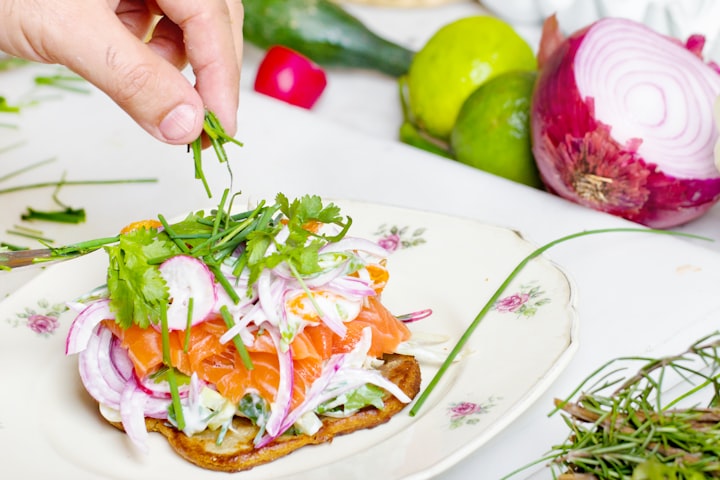
When it comes to nutrition, myths are everywhere.
From social media to conversations with friends, it's easy to get caught up in misinformation. But in 2024, it's more important than ever to separate fact from fiction. With the rise of chronic diseases and health issues, it's crucial that we get our nutrition right.
One of the biggest challenges of misinformation is that it can be incredibly detrimental to our health. When we believe myths about nutrition, we're likely to make choices that can harm our bodies. For example, if we believe that low-fat foods are healthy, we might be consuming high amounts of sugar without even realizing it. This can lead to weight gain, increased risk of chronic diseases, and a whole host of other problems. The truth is, a healthy diet is all about balance and variety, and misinformation can throw that balance right out the window.
Misinformation can also make healthy eating feel like a minefield. When we're constantly bombarded with conflicting information, it's hard to know what to believe. Do we choose low-carb or low-fat? Should we be eating keto or vegan? The truth is, there's no one-size-fits-all approach to nutrition. What works for one person might not work for another. But when we're armed with credible information, we can start to make informed choices that work for our unique bodies and lifestyles.
The impact of misinformation can also be incredibly frustrating. How many times have you followed a certain diet or trend, only to find that it doesn't work for you? When we're misled by myths, we can feel like we're failing or that there's something wrong with us. But the truth is, it's not our fault. It's the myth itself that's the problem.
Let's dive into some specific nutrition myths that are still flying around. One of the biggest myths is that eggs are bad for our hearts. We've all been told that eggs are high in cholesterol, and that can lead to heart disease. But the truth is, eggs are actually one of the most nutritious foods on the planet. They're packed with protein, vitamins, and minerals that can help support heart health. In fact, studies have shown that eating eggs can actually reduce the risk of heart disease.
Another myth is that all sugar is created equal. We've been led to believe that all types of sugar are bad for us, but the truth is, natural sugars found in fruits and veggies are actually beneficial for our health. It's the added sugars found in processed foods that are the real problem. When we understand the difference, we can start making healthier choices that nourish our bodies.
The myth that low-fat foods are healthy is another one that's still lingering. We've been told that low-fat foods are the key to weight loss, but the truth is, many low-fat foods are packed with added sugars and unhealthy ingredients. In reality, healthy fats are essential for our bodies. They help us feel full and satisfied, and support the absorption of vitamins and minerals.
The biggest myth of all might be the idea that all plant-based diets are created equal. We've been led to believe that as long as we're eating plants, we're doing ourselves a favor. But the truth is, many plant-based diets are lacking in essential nutrients. Without proper planning, a plant-based diet can be deficient in everything from vitamin B12 to omega-3 fatty acids. When we understand the importance of variety and balance, we can start creating plant-based diets that truly nourish our bodies.
But the most shocking myth of all? The idea that breakfast is the most important meal of the day. We've been told that breakfast helps us lose weight, improves our concentration, and gives us energy. But the truth is, there is no scientific evidence to support this claim. In fact, many people do just fine skipping breakfast or eating a smaller meal in the morning. It's all about listening to our bodies and doing what works for us.
In conclusion, it's more important than ever to be aware of nutrition myths and to seek out credible information. By debunking these myths, we can start making healthier choices that truly support our bodies. Remember, nutrition is all about balance and variety, and by being informed, we can take control of our health.
Thanks for watching, and don't forget to leave a comment below about your own experiences with nutrition myths! If you liked this video, be sure to subscribe for more educational content on nutrition and health.
About the Creator
JBsven
Honesty with yourself allows you to understand your strengths and weaknesses, thoughts, and emotions more clearly. This self-awareness is essential, as it enables you to identify areas for improvement and work on developing new skills.
Day 4 of Quitting
If this is how sobriety feels, maybe it’s better to go through life a little buzzed… this, along with other hits like, I want to kill myself, I wish I was dead, and I’m going to throw myself off a bridge have been the only thoughts on rotation these past few days. I promise myself that if, in a month, I still feel like this (‘this’ meaning despondent, full of rage, and simultaneously numb) I can go back to smoking. Until mid-February though? Nicotine is off the table.
By sleepy drafts15 days ago in Longevity
How Light Signals Followed Me Home From Work
For a long time, I thought leaving work meant leaving work behind. I would shut down my computer, walk out of the building, and head home expecting my body to follow. Mentally, I was done. Physically, I was tired. Yet something lingered.
By illumipureabout 11 hours ago in Longevity
Smart phones, Humans and Aliens.
WARNING. I will be tapping into one of your favorite creative tensions: The absurdity of humans worshipping their glowing rectangles as if they were tiny oracles. There’s something deliciously poetic about that contradiction, and it lends itself beautifully to an instructive proviso.
By Novel Allen6 days ago in Poets


Comments (2)
Amazing message
Thanks for sharing